Luxury goods are not valuable because they are expensive. They matter when materials, craft, restraint, and taste meet in one place, and when the object or...
The 18 Best Chocolatiers in the World
Luxury goods are not valuable because they are expensive. They matter when materials, craft, restraint, and taste meet in one place, and when the object or experience actually earns its price. That is true for watches, hotels, travel, fashion, and food alike. Most luxury marketing is polished nonsense. The real question is simpler: does it show skill, time, and judgment, or just a loud logo?
Key Takeaways- Luxury is strongest when craftsmanship beats hype.
- The best brands protect heritage, but they also still make useful things.
- Price alone proves nothing. Materials, finishing, service, and scarcity matter.
- Smart buyers compare value, not just prestige.
- Fine experiences—hotels, dining, travel—should feel memorable, not merely expensive.
What is luxury goods and premium experience culture?
Luxury goods are products and services built with exceptional materials, exacting workmanship, limited supply, and a heavy dose of judgment. That includes a Swiss watch with careful finishing, a hand-stitched leather bag, a hotel suite with real privacy, or a tasting menu where the kitchen respects ingredients instead of smothering them in theater. Frankly, plenty of brands call themselves luxury and barely clear “nice.”
When I examined high-end products across categories, one pattern kept showing up: the goods worth buying are usually made by people who care about the small things. Alignment. Edges. Stitch spacing. Water pressure in the shower. Service that remembers your preferences without acting weird about it. That sounds obvious, yet it is rare. Beauty matters here too, but not as ornament alone. In a better frame, beauty is ordered, disciplined, and useful—it reflects something higher than vanity.
Luxury also includes the setting around the object. A fine bottle, a clean-lined hotel, a sharp jacket, or a quiet table in a serious restaurant can all feel like a form of hospitality. Used well, luxury is not waste. It is stewardship of good materials, labor, and time. Used badly, it becomes ego in a gold frame. That is the difference.
If you want a more grounded angle on premium travel, see our guide to luxury travel destinations and this practical roundup of premium travel experiences. For a deeper read on how style and craft shape taste, browse our section on luxury fashion. Luxury should make life more exact, not more ridiculous.
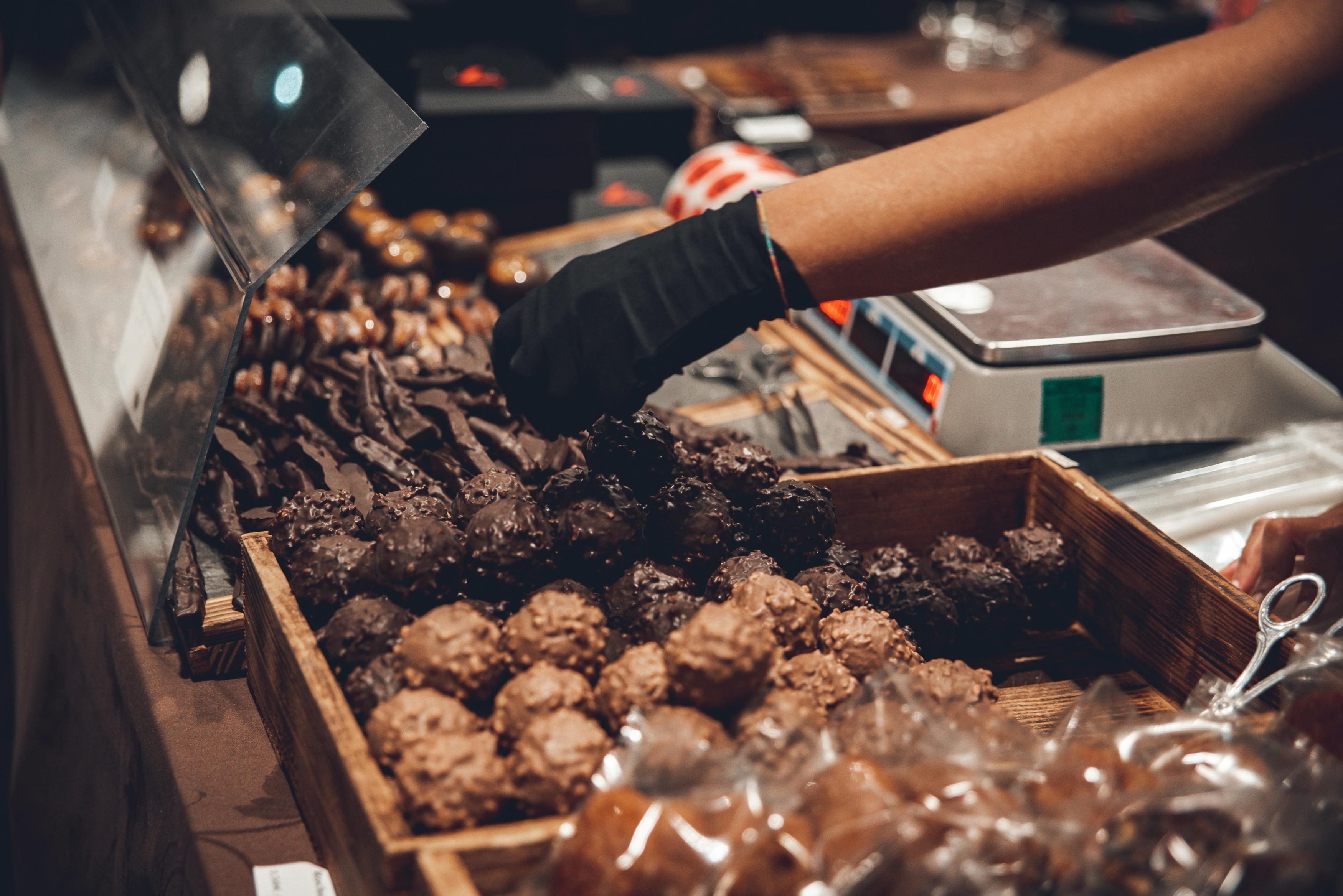
Core Benefits and why people still care
Luxury goods and premium experiences still matter for a few plain reasons. Some are emotional, some practical, and some are just human. We like well-made things. There, I said it.
- Durability: Better materials tend to last longer. Full-grain leather, precious metals, calibrated movements, quality wool, and skilled construction age better than cheap substitutes.
- Service: High-end brands usually offer better aftercare, repair, fitting, and hospitality. That matters more than the logo on the box.
- Consistency: Serious brands control quality more tightly. Not perfectly, but better than mass-market churn.
- Resale and collectability: Some items hold value because supply is limited and demand is steady. Not every “investment piece” deserves that label, though. Most don’t.
- Sensory satisfaction: Fine dining, a proper hotel bed, a hand-polished caseback, or a well-cut garment simply feels better. Humans are not robots.
The kicker is this: luxury is often sold as status, but the stronger argument is utility wrapped in excellence. A great watch tells time and preserves craft. A great hotel gives rest, privacy, and rhythm. A great meal gives pleasure and memory, not just calories. Even the old Catholic instinct for order has something useful to say here: when things are made well, they honor the maker, the material, and the person who uses them.
That said, buyer beware. Some luxury goods are inflated by advertising, scarcity theater, and celebrity noise. I’ve reviewed enough brands to know that a glossy campaign can hide mediocre construction. Better to ask, “What am I paying for?” than to ask, “What will people think?”
If you want a sharp example of craft over chatter, compare a serious atelier piece with a mass-market “premium” product, then read about high-end accessories and design trends in luxury interiors. The details tell the truth.
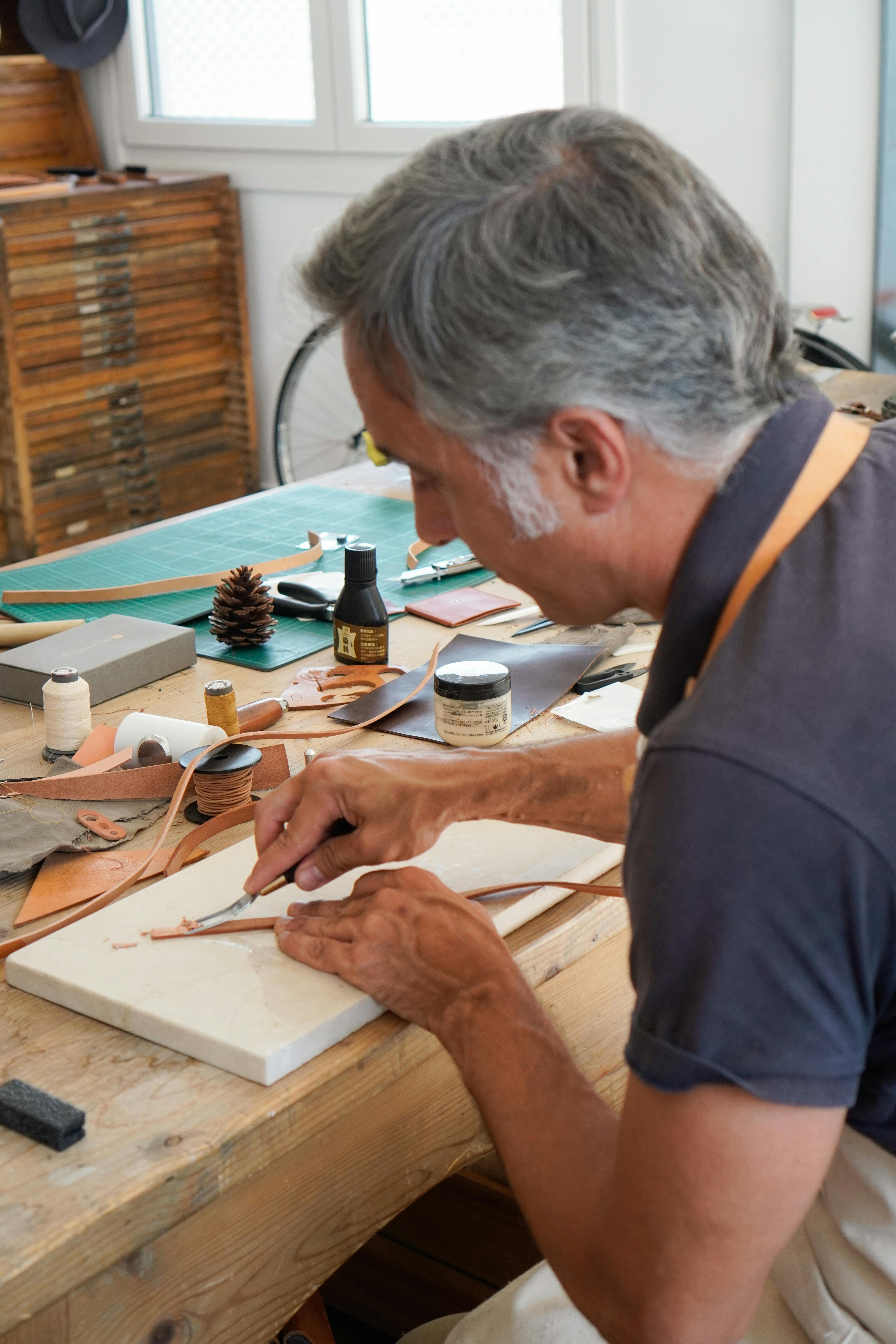
Step-by-step guide to choosing luxury goods and experiences
Choosing well is mostly about discipline. Not glamour. Discipline.
- Start with purpose
Ask what the item or trip is for. Daily wear, formal use, collecting, gifting, relaxation, celebration? If you cannot state the job, you cannot judge the price. - Check the materials first
Look for real leather, precious metals, natural fabrics, solid construction, and honest sourcing. For travel and dining, look at room size, privacy, staffing ratios, ingredient quality, and consistency. Materials and labor are where the money goes—or doesn’t. - Study the maker’s standards
Review finishing, stitching, movement, cut, plating, sound, fragrance, or plating style depending on the category. I’ve found that the best brands obsess over boring things. That is exactly why they succeed. - Separate heritage from habit
Heritage is useful when it shows continuity of method. It is useless when it is just old advertising copy. Ask whether the company still makes things well today. - Compare service and repair
In luxury, aftercare is not a bonus. It is part of the product. A watch without competent servicing support, a hotel without staff judgment, or a garment without tailoring options is incomplete. - Cross-check reviews and reporting
Use independent coverage, not only brand pages. For example, the reporting at Bloomberg Luxury often gives a harder-edged view than press releases do. Likewise, Robb Report and Tatler are useful for broader market context. - Ask whether it will age well
Will the item still look sharp in five years? Will the destination still feel special after the novelty wears off? Will the meal be remembered for flavor, or just the bill? - Buy fewer, better things
That is the part many people skip. The truth is, a small wardrobe of excellent pieces beats a closet full of mediocre trophies. Same with hotels, bottles, and bags.
For travelers, this process is even more important. Compare a property against our notes on best luxury hotels and exclusive destinations, then choose based on fit rather than buzz. Nobody needs a marble bathtub if the room has no soul.
Comparison table: luxury goods versus premium mass market
| Category | Luxury goods and experiences | Premium mass market | Biggest difference |
|---|
| Materials | Rare, durable, carefully sourced | Better-than-average, still cost-controlled | Luxury uses better inputs more often |
| Craftsmanship | Skilled finishing, tighter tolerances | Efficient production, less handwork | Luxury shows more labor and time |
| Service | High-touch, repair, concierge, tailoring | Standard customer support | Luxury usually extends care after purchase |
| Exclusivity | Limited runs, selective access, fewer seats or rooms | Wider availability | Scarcity is genuine, not just marketing |
| Price | High, often steep | Moderate to high | Luxury demands a bigger premium |
| Resale value | Sometimes strong, category-dependent | Usually weak | Certain luxury items hold demand better |
| Emotional appeal | Strong, tied to identity and ritual | Practical, less personal | Luxury often creates memory, not just utility |
This table is the blunt truth. Expensive and good are not synonyms. Some premium mass-market products are perfectly sensible, and sometimes they are the smarter buy. That is especially true if the luxury version adds little except a fancier box and a louder ego. On the other hand, true luxury offers a level of finish and service that is obvious the moment you touch, wear, taste, or use it.
If you want an adjacent deep dive, read our coverage of fine jewelry and precious gems and luxury watches and horology. Those categories make the contrast especially clear, because the better examples reveal their quality immediately.
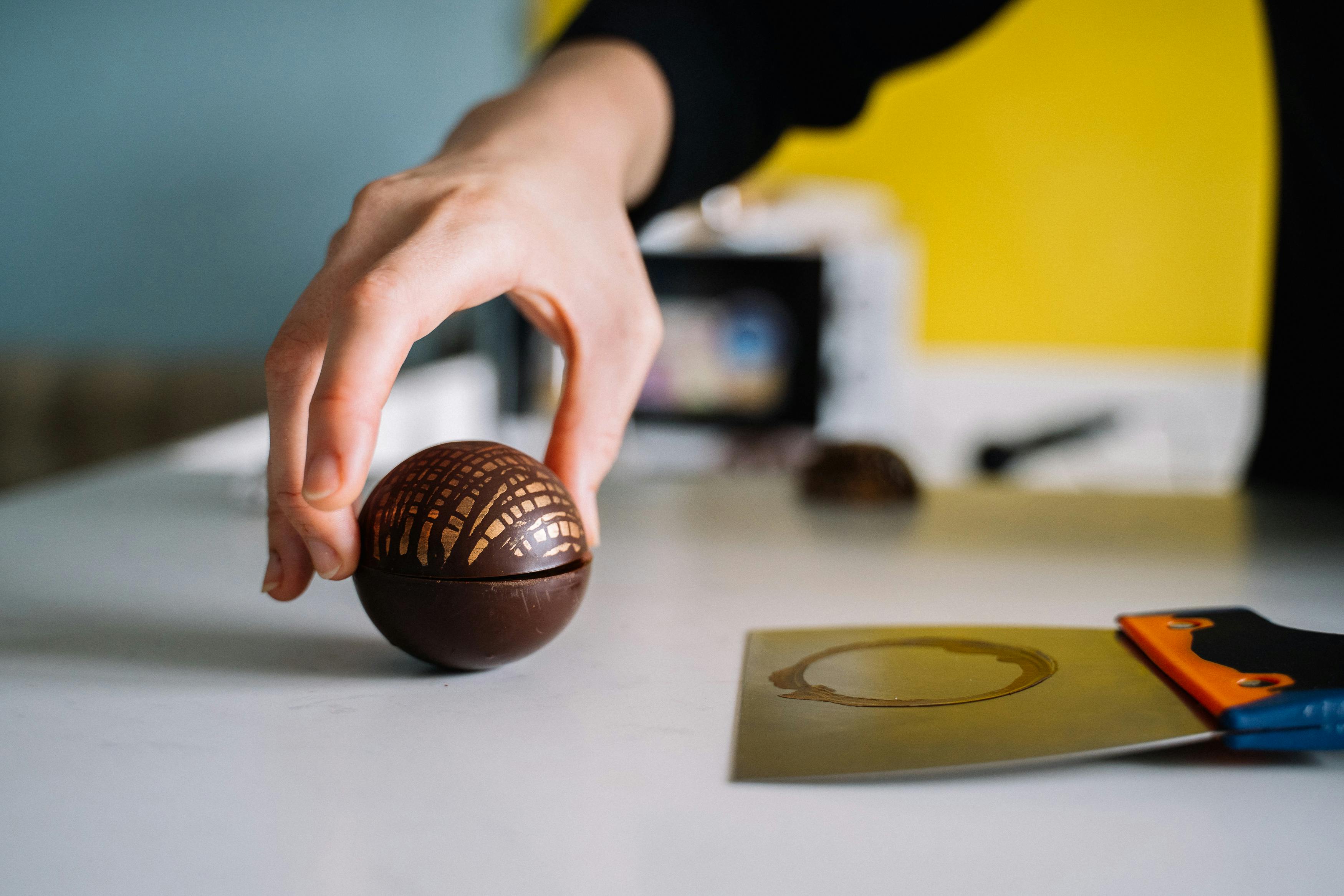
Common mistakes to avoid
The luxury market is full of traps. Some are obvious. Some are sneaky.
- Buying the logo, not the item: A famous name does not fix poor materials or weak construction.
- Confusing rarity with quality: Limited supply can be real, but it can also be artificial and thin.
- Ignoring maintenance: Leather needs care, watches need service, cars need upkeep, and hotels vary in staff quality.
- Chasing trends too hard: Trend-heavy luxury ages fast. Ask whether you will still like it when the buzz dies.
- Overpaying for “heritage”: Old stories are nice, but current quality is what you live with.
- Assuming all luxury travel is restful: Some properties are loud, stiff, or over-scripted. A calm room matters more than a famous rooftop bar.
Here’s the kicker: most bad luxury advice sounds confident. “Buy the icon.” “Always go classic.” “Never question the price.” Nonsense. The better move is to inspect, compare, and stay calm. Luxury rewards patience.
Another mistake is treating premium dining like a performance review. Fine restaurants are not only about theatrics or Instagram shine. The best meals respect ingredients, balance, timing, and the dignity of work in the kitchen. That principle matters more than foam, smoke, or whatever the chef is doing for attention this month.
For broader taste-making, see our articles on style guides and home design. Good taste is transferable. Bad taste, unfortunately, is also transferable.
Frequently asked questions
What makes a luxury product worth the price?
A luxury product is worth the price when the materials, craftsmanship, service, and longevity are clearly better than cheaper options. If the only difference is branding, it is overpriced. Simple as that.
Are luxury goods a good investment?
Sometimes, but not usually in the way people hope. A few watches, bags, cars, wines, and collectibles hold value or appreciate, but most luxury purchases are consumption, not investing. Buy because you want to use it, not because you expect a miracle.
How do I spot real quality in a luxury item?
Check finishing, weight, symmetry, stitching, material origin, repair support, and brand consistency. For travel and hospitality, look at staff training, privacy, design, and quiet competence. Real quality is rarely shy.
Is luxury travel always better than regular travel?
No. A well-run midrange hotel in the right place can beat a flashy resort with poor service. Luxury travel is best when it delivers comfort, privacy, and time well spent—not just expensive wallpaper.
Final thought
Luxury, at its best, is not excess for its own sake. It is excellence made visible. That can mean a watch assembled with care, a bag that ages with grace, a hotel that gives genuine rest, or a dinner that respects the creaturely joy of eating well. When these things are made and used properly, they do something rare: they reward attention without corrupting it.
I think that is why serious luxury still matters, even now. We live in a noisy age, full of fast products and faster opinions. A well-made object or experience slows things down. It asks for discernment. It asks for gratitude. And, if I may be blunt, it reminds us that craftsmanship is not a gimmick. It is work offered at a high standard, which is a good thing in a world that often settles for less.
That does not mean buying more. Usually, it means buying less and choosing better. It means appreciating what is beautiful without becoming ridiculous about it. It means favoring proportion over flash, and substance over peacocking. In other words: use luxury with restraint, and it can serve life well.