The most expensive diamonds are not just stones. They are rare geological accidents, auction trophies, and symbols of power, taste, and status, priced by...
The 21 Most Expensive Diamonds in the World: What Really Makes Them Priceless
The most expensive diamonds are not just stones. They are rare geological accidents, auction trophies, and symbols of power, taste, and status, priced by weight, color, clarity, provenance, and the peculiar madness of human desire. Most people think size alone explains the numbers. It does not.
Key Takeaways- Rarity drives price more than carat weight alone.
- Provenance matters; famous ownership can add millions.
- Color, clarity, and cut shape value, but pedigree can overwhelm the grading sheet.
- Auction records are not the same as retail value.
- The top diamonds are often collectibles, not jewelry in the ordinary sense.
What is the most expensive diamonds in the world?
The phrase refers to diamonds that have achieved exceptional market value through a mix of rarity, quality, size, historical significance, and auction performance. In plain English, a diamond becomes “expensive” when it is scarce enough, famous enough, and coveted enough that collectors with deep pockets start behaving irrationally. Frankly, that happens more often than the gem trade likes to admit.
I have looked at enough luxury assets to say this without fluff: the price of a diamond is not just about gemology. It is about narrative, timing, and a bidding war in a room where ego is worth money. A flawless white stone can be valuable, sure, but a colored diamond with a noble history can leap far beyond it. Here’s the kicker: some of the most costly diamonds are not worn daily. They are stored, insured, exhibited, and occasionally shown off like relics.
That is why the classic Four Cs only tell part of the story. Carat matters, obviously. Color can make a yellow or pink stone explode in value. Clarity matters until a diamond’s fame makes imperfections almost irrelevant. Cut matters because light performance still counts, even in a market obsessed with bragging rights. But once you move into elite territory, provenance and rarity class begin to dominate. A stone tied to royalty, a legendary auction, or a famous house will often outrun a technically superior but anonymous rival.
There is also a moral angle worth saying out loud, gently. Beauty is not evil. Fine craftsmanship, careful sorting, and responsible stewardship of created things can reflect something higher than vanity. The trouble starts when luxury becomes pure display, severed from gratitude and restraint. A diamond should not become an idol. It should remain what it is: a rare natural marvel, handled with discipline.
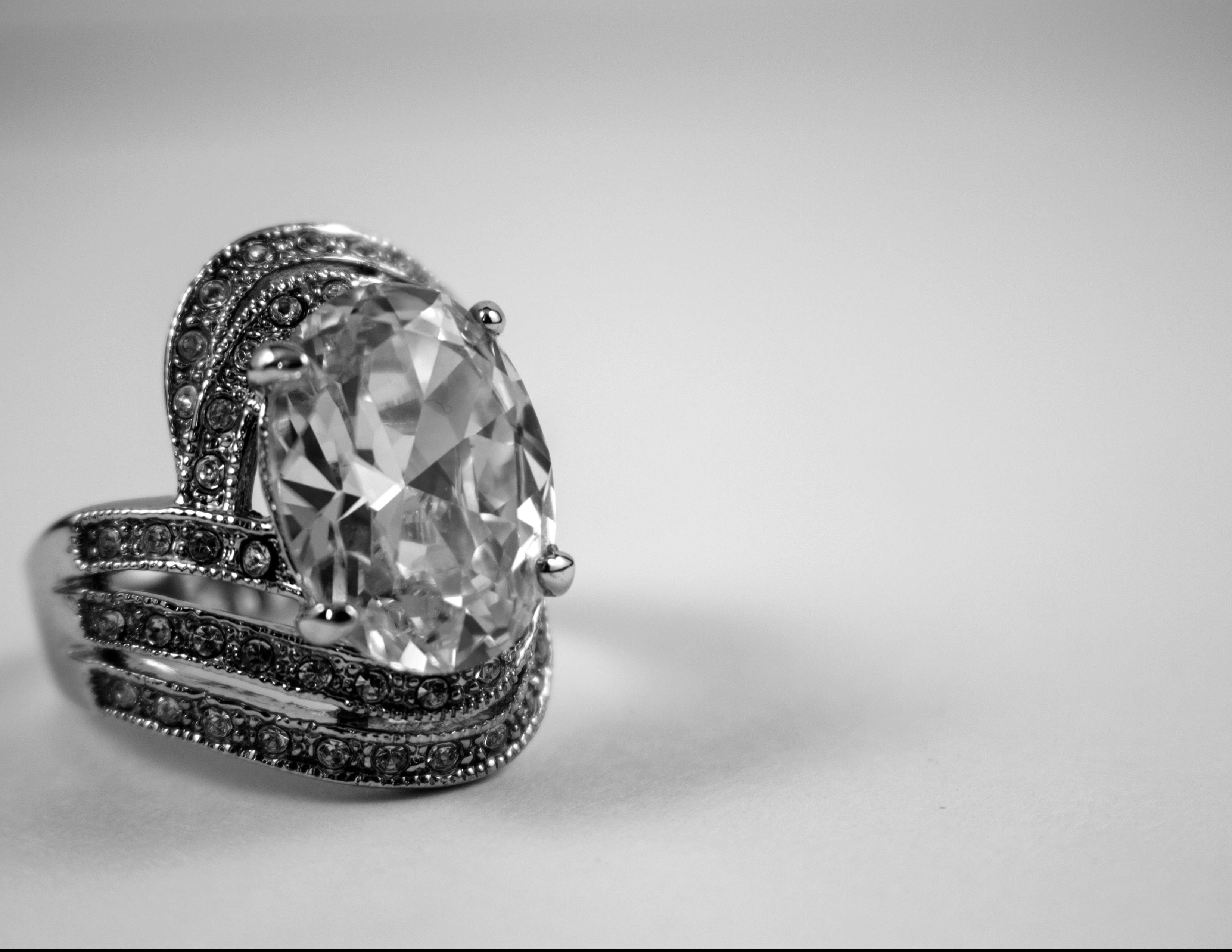
And yes, the market can be absurd. One auction result can reset expectations for years, while another stone, just as pretty, sells for a fraction because nobody cares about the story. That is not a bug. It is the market. People buy meaning as much as mineral.
What matters most? Rarity, yes. But also proof, fame, and the strange theater of elite collecting.
Core Benefits and Importance
The stones matter.
But not for the reasons most glossy magazines blurt out.
The most expensive diamonds reveal how luxury markets really work, because they combine hard assets, emotion, and cultural symbolism in a way few things can. When I examined high-end auction results, the pattern was obvious: buyers are not simply paying for sparkle. They are paying for scarcity, provenance, and the social power that comes with owning something nearly no one else can touch.
- They preserve capital in unusual form. Elite diamonds can function like collectible assets, especially when the stone is exceptional in color, size, or history. That does not mean every diamond is an investment. Far from it. Most are retail goods with a brutal markup. But a tiny group of stones exists in a different class, where auction demand can be fierce.
- They reflect craftsmanship at the highest level. A great diamond still needs expert cutting, grading, setting, and handling. The best houses do not just sell stones; they curate proportions, protect brilliance, and design mountings that respect the gem. That old-world respect for work matters. Excellence is not accidental.
- They carry historical memory. Some diamonds are famous because they were owned by royalty, featured in landmark sales, or associated with legendary collections. That history is part of the price. A stone with a clean certificate is one thing; a stone with a trail through courts, houses, and auctions is another.
- They show why rarity beats hype. Most luxury marketing is pretentious nonsense. Here’s what actually matters: if a diamond is uniquely large, unusually colored, or nearly perfect, the market will notice. If it is merely trendy, it will age badly.
- They expose the limits of ordinary valuation. Two diamonds with similar carat weight can differ by millions because one is vivid pink and the other is plain white. That is not irrational; it is how scarcity pricing works when wealthy collectors compete.
- They deepen appreciation for natural beauty. A diamond is a mineral, yes, but a great one forces a pause. There is something fitting in that. Creation, when observed carefully, has a hierarchy of wonder, and a truly rare gem sits near the top.
- They matter to culture and design. High jewelry houses use these stones to set standards for style, proportion, and theatrical presentation. The best stones influence museum displays, celebrity red carpets, and auction-house strategy.
If you want broader context on how top-tier luxury behaves, read a serious piece on Forbes luxury jewelry coverage, or compare collector behavior with the reporting at The Business of Fashion. Different beats, same reality: scarcity sells.
Step-by-Step Guide to Understanding and Choosing Top Diamonds
You do not buy these stones casually.
You study them, or you get taken for a ride.
Here is the practical process I use when evaluating elite diamonds, whether the subject is a museum-grade fancy colored stone or a headline auction lot.
- Start with the type of diamond. Decide whether you are looking at a white diamond, a fancy colored diamond, or a historically important stone. Fancy colored diamonds—pink, blue, vivid yellow—usually command the wildest premiums when quality is extreme.
- Check the grading report. A reputable certificate from GIA or a similar respected laboratory matters. But do not make the rookie mistake of treating the report as holy writ. It is essential, not sufficient.
- Measure rarity, not just size. A 20-carat stone sounds impressive. But a 20-carat stone with weak color or mediocre clarity may lose to a smaller diamond with exceptional fancy color and strong provenance.
- Study provenance and auction history. If the diamond has passed through famous collections, royal ownership, or landmark sales, the premium can be enormous. Collector psychology is real. Deny it if you want; the invoices won’t care.
- Inspect cut and optics. Even in ultra-high-end stones, light return matters. Shape, symmetry, and polish influence how the gem reads in person. Photos lie. Always.
- Compare market comps carefully. The “same” diamond category can vary dramatically because color intensity, saturation, and internal features shift value in sharp ways. A weak comp is often marketing dressed as analysis.
- Understand setting and presentation. A great stone can be elevated by a superb setting, but a clumsy mount can drag it down. High jewelry is architecture in miniature.
- Review insurance and liquidity. If the stone is meant as a serious asset, insurance terms, resale channels, and market depth matter. A diamond that cannot be sold gracefully is not as elegant as it looks.
- Buy with restraint. The best diamond is not always the biggest or loudest one. It is the one whose quality, story, and price align with your purpose. Stewardship beats vanity.
If you want to see how top-level houses frame these gems, the auction databases at Christie's and Sotheby's are useful because they show real results, not fantasy pricing.
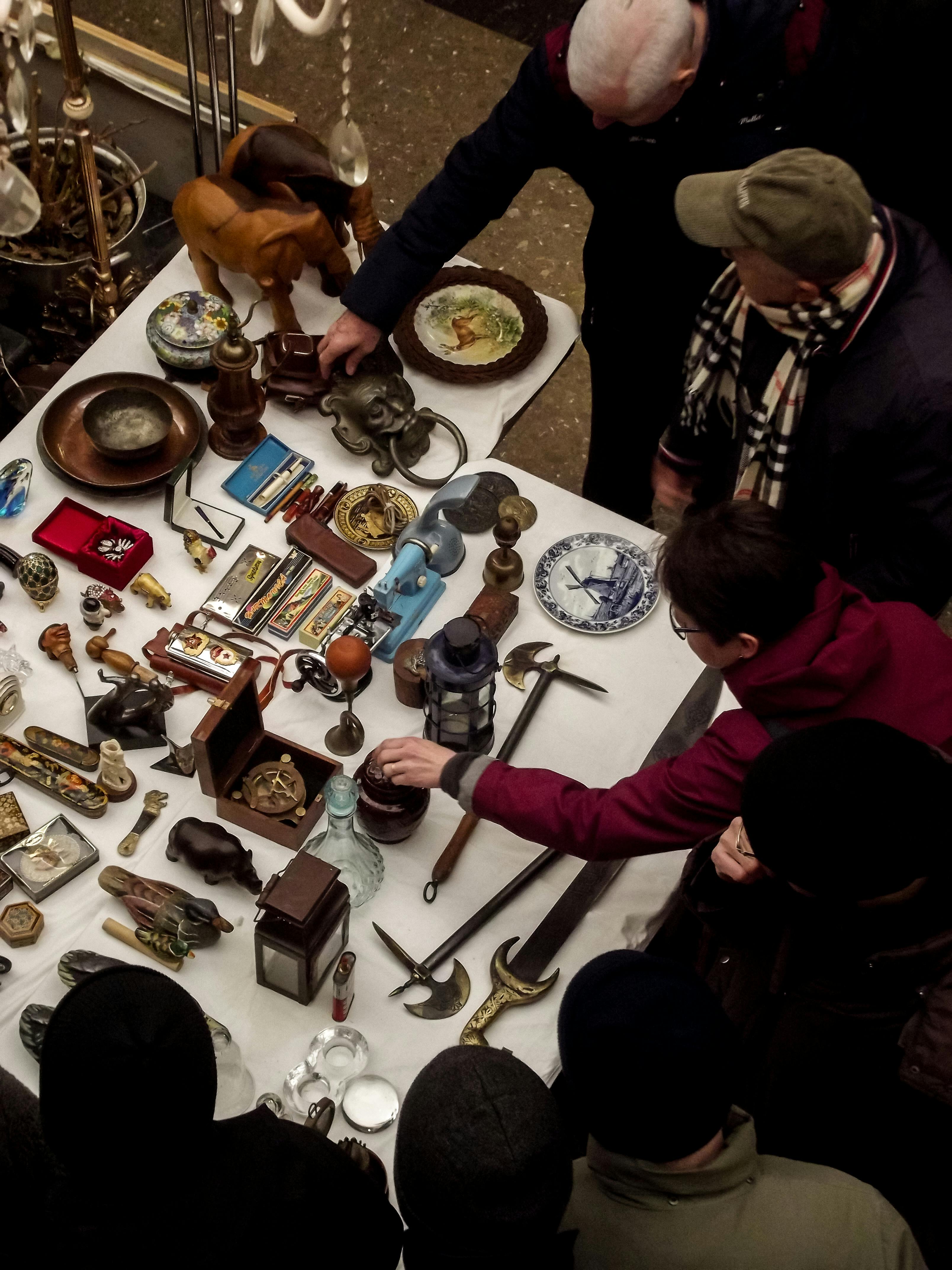
The truth is, buyers often chase headlines instead of substance. Big mistake.
Comparison Table
The elite diamond market is not the same as ordinary jewelry.
It is a collector’s arena, and the difference is brutal.
| Factor | Most Expensive Diamonds | Main Competitor: Fine Diamond Jewelry |
|---|
| Primary Value Driver | Rarity, provenance, color, auction history | Craft, everyday wearability, brand appeal |
| Typical Buyer | Collectors, investors, museums, ultra-high-net-worth clients | Luxury consumers, gift buyers, style-driven shoppers |
| Price Range | Millions to tens of millions, sometimes more | Hundreds to hundreds of thousands |
| Importance of Branding | Very high, especially for famous auction stones | High, but often secondary to design |
| Importance of Provenance | Massive | Helpful, but not essential |
| Wearability | Low; often collectible or display-only | High; designed for regular use |
| Resale Dynamics | Auction-driven, thin market, headline sensitive | More liquid, but usually lower appreciation |
| Emotional Appeal | Prestige, legacy, rarity | Beauty, sentiment, personal style |
The 21 Most Expensive Diamonds in the World
The list changes.
But the names below keep showing up for good reason.
- The Pink Star — One of the highest-profile pink diamonds ever sold, famous for exceptional color and size.
- The Oppenheimer Blue — A vivid blue diamond that shattered expectations at auction.
- The Cullinan Dream — A large blue diamond with serious collector appeal.
- The Blue Moon of Josephine — Famous for rarity, color, and a price that made headlines worldwide.
- The Graff Pink — A stone whose sale became a reference point for colored-diamond pricing.
- The Princie Diamond — Historic, large, and steeped in elite ownership.
- The Wittelsbach-Graff Diamond — Known for deep blue beauty and royal associations.
- The De Beers Blue — A large blue diamond that reinforced the elite blue-stone category.
- The Chloe Diamond — A vivid blue diamond that proved how much collectors pay for saturation.
- The Zoe Diamond — A striking blue stone sold amid intense bidding.
- The Regent Diamond — One of the most famous historic diamonds in the world.
- The Hope Diamond — The most famous blue diamond in cultural memory, with a long and storied past.
- The Koh-i-Noor — Legendary, politically charged, and historically significant.
- The Centenary Diamond — A huge, highly graded stone tied to De Beers prestige.
- The Archduke Joseph Diamond — A classic example of a top white diamond with aristocratic provenance.
- The Golden Empress Diamond — Rare yellow coloration, strong presence, and collector interest.
- The Diamond Star of South Africa — A landmark historic stone tied to early major discoveries.
- The Allnatt Diamond — Famous for its color and association with notable ownership.
- The Moussaieff Red Diamond — Extraordinary because red diamonds are brutally scarce.
- The Sun-Drop Diamond — One of the largest known vivid yellow diamonds.
- The Apollo Blue — A top-tier blue diamond with a price tag to match its rarity.

Common Mistakes to Avoid
People make the same errors over and over.
It costs them money.
- Treating carat weight like the whole story. It is not. A large stone with poor color or weak pedigree can lose to a smaller but rarer diamond.
- Ignoring provenance. In this market, history can add serious value. If you do not check the stone’s background, you are missing part of the price logic.
- Confusing retail markup with collectible worth. A jeweler’s sticker price is not the same thing as auction value. Not even close.
- Overpaying for certificates alone. A report helps, but it does not replace market context, visual inspection, and independent analysis.
- Assuming all luxury is quality. Plenty of luxury items are overpriced because of branding. Some diamonds deserve the hype. Many do not.
- Buying for status instead of fit. If the stone does not suit the collector’s goals, it becomes an expensive mistake with a nice box.
- Skipping liquidity checks. A trophy asset is not always easy to sell. The market for rare diamonds is thin, selective, and sometimes moody.
- Ignoring ethics and sourcing. Responsible buyers care about origin, compliance, and documentation. Stewardship is not optional. It never was.
Frankly, a lot of “expert” advice is lazy. People repeat slogans because they sound sophisticated, not because they are true.
Frequently Asked Questions
These are the questions people keep asking.
And for good reason.
What is the most expensive diamond in the world?
It changes depending on sale results and whether you mean a historical stone, a polished gemstone, or a mounted jewel. The Pink Star is often cited among the highest-priced diamonds sold at auction, while other famous stones like the Oppenheimer Blue and Blue Moon of Josephine also rank near the top.
Why are colored diamonds more expensive than white diamonds?
Because they are rarer in intense, desirable hues. A vivid pink, blue, or red diamond can be far scarcer than a large white stone, and scarcity drives price. Simple as that.
Are expensive diamonds a good investment?
Sometimes, but only in the top tier. Most diamonds lose value once retail markup is stripped away. Exceptional stones with strong provenance and collector demand can perform better, but they are specialized assets, not savings accounts.
What makes a diamond valuable besides carat size?
Color, clarity, cut, provenance, historical importance, and market demand all matter. A great stone is a sum of factors, not a single number.
Final Thought
The most expensive diamonds in the world are not expensive because people are foolish, though that sometimes helps. They are expensive because rarity, beauty, and story intersect in a market where the wealthy compete for the few objects that feel truly singular. I find that more interesting than the usual sales pitch.
The sensible view is this: a diamond should be judged with discipline, not awe alone. Check the grading. Check the source. Check the history. Then decide whether the stone actually deserves the price or merely the theater around it. That seems to me the only honorable way to approach luxury—appreciation without servility, beauty without idolatry, and excellence with a little humility. That is rare enough.