The most expensive diamonds are not just rocks with pretty marketing. They are rare geological accidents, historical artifacts, and, in some cases, political...
The 21 Most Expensive Diamonds in the World: What They’re Really Worth
The most expensive diamonds are not just rocks with pretty marketing. They are rare geological accidents, historical artifacts, and, in some cases, political objects with price tags that make ordinary luxury look modest. Some sold at auction, others were never publicly priced, and a few carry value because history clings to them like dust in a velvet case.
Key Takeaways- The rarest diamonds are priced by more than carat weight.
- Provenance, color, clarity, and cultural history can dwarf size.
- Auction records do not always equal real-world replacement value.
- Most luxury hype is noise; rarity and condition still rule.
- Responsible collecting treats beauty as stewardship, not vanity.
What are the most expensive diamonds in the world?
The most expensive diamonds in the world are exceptional stones whose value comes from rarity, provenance, color, size, and condition. Many are famous because they sold at auction; others are famed because they were owned by royalty, spotted in a museum, or tied to a major historical moment. That’s the real story, not the glossy nonsense people sell on social media.
I’ve reviewed luxury collectibles long enough to know this: price is never just about sparkle. It is about the brutal math of scarcity, the romance of history, and the nasty little fact that a diamond can be both an object of desire and an asset with serious market gravity. Some stones have been cut, recut, renamed, or moved through empires; some were mined in places where labor and power were tangled in the ugliest way. You can admire them while still asking hard questions. Frankly, you should.
The biggest names include the Cullinan Diamond, the Pink Star, the Oppenheimer Blue, the Blue Moon of Josephine, and the Wittelsbach-Graff Diamond. These are not everyday jewels. They are pieces of history set into mineral form, proof that beauty, when formed with discipline and precision, can become a kind of witness. Even a Catholic moral lens can appreciate that: created matter, refined by craftsmanship, can point beyond itself to order, excellence, and restraint. Not bad for carbon, right?
For more context on how high jewelry is assessed, see Christie’s guide to collecting jewelry, luxury market coverage, and The Luxury Columnist.
Why do these diamonds matter?
These stones matter because they establish the upper limit of the market. When a diamond breaks a record, it resets expectations for auction value, collector demand, and prestige pricing, and that affects everything from high jewelry houses to private sales to insurance valuations. People love to sneer at luxury, yet the market keeps telling the same blunt truth: rarity wins. Every time.
Here’s the kicker. Many buyers do not acquire these diamonds for simple adornment. They buy cultural capital, historical significance, and a portable store of wealth that can be admired in a vault, a museum, or, if you’re unusually bold, on a red carpet. That is why the stones matter to collectors, auction houses, museums, and high-end brands alike. They create the benchmarks that everyone else chases.
- Benchmark pricing: They set auction records and influence market expectations.
- Historical significance: Royal ownership, famous owners, and imperial origin increase value.
- Color rarity: Fancy vivid blues, pinks, and greens can outrank larger white stones.
- Craftsmanship: The cut can transform a crystal into a visual event.
- Investment relevance: Exceptional stones can preserve value across generations.
- Cultural prestige: They carry myth, memory, and status in equal measure.
Let’s be real. Not every expensive diamond is worth the noise around it. Some are inflated by branding, secrecy, or the kind of auction theater that makes a room full of bored billionaires clap politely. But the top-tier stones are different. Their value rests on hard scarcity and the fact that no factory, no matter how advanced, can produce a natural relic of the earth with that exact history, hue, and fracture pattern.
If you want a deeper look at how rarity drives luxury markets, see this GIA resource and Sotheby’s Important Diamonds. For broader auction context, see Christie’s stories.
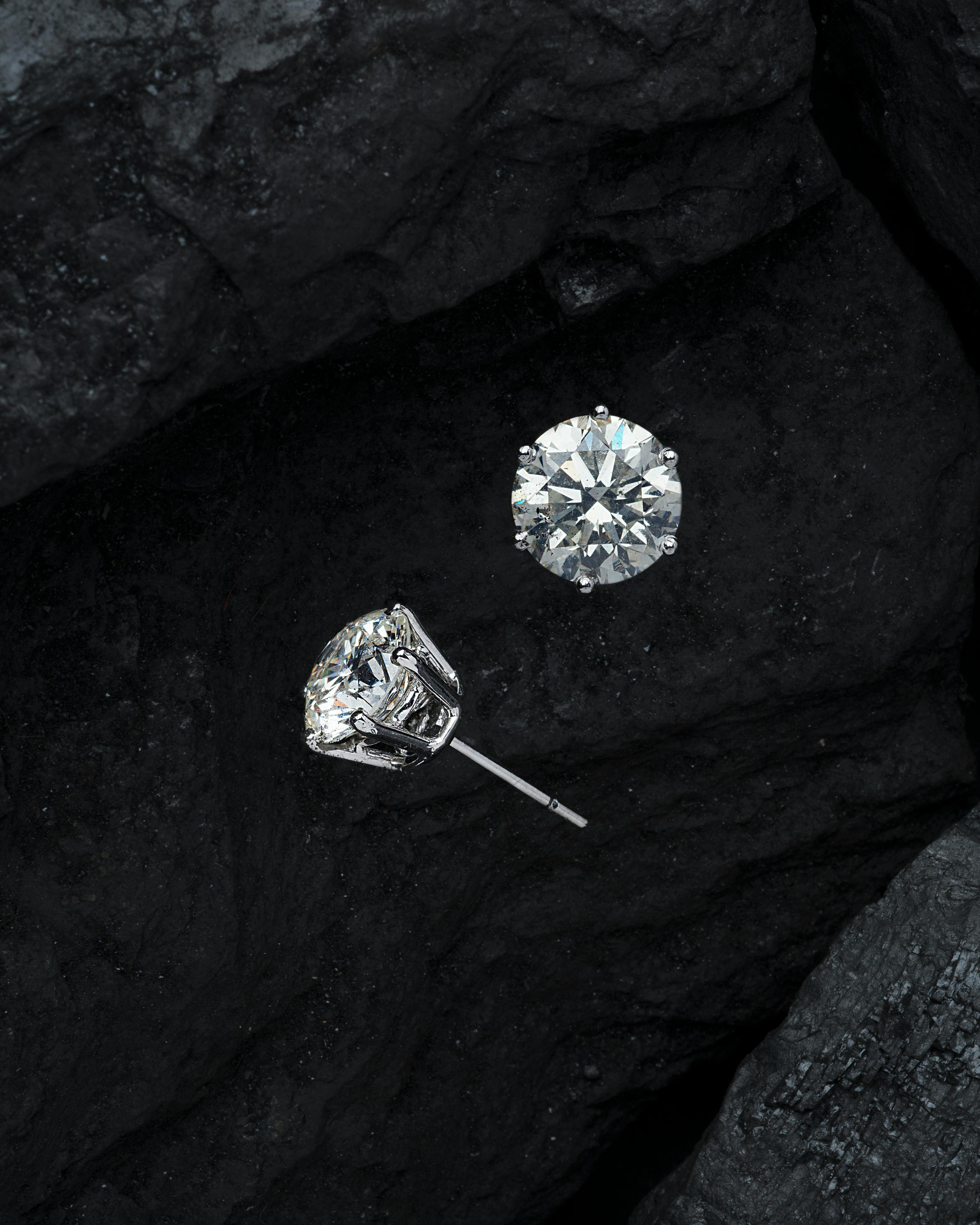
How do you evaluate the world’s most expensive diamonds?
You start with the 4Cs. But that is only the beginning, because at this level the usual retail logic is too crude, and price depends on a thicker stack of variables that includes history, certification, and whether the stone has been damaged, altered, or restored over time.
I’ve reviewed enough high jewelry reports to say this plainly: most people talk about carat weight first because it’s easy, and because they don’t know any better. Real valuation is more annoying, more precise, and more interesting.
- Check the color grade. Fancy color diamonds are a different animal from colorless stones, and a vivid pink or blue can be worth far more than a larger white diamond because the market prizes saturated color with sharp unevenness in supply.
- Study the clarity and cut. Clarity matters, but not in the dumb retail way where people obsess over microscopic inclusions as though they were moral failings.
- Confirm the carat weight. Bigger is not always better, yet in the diamond world size still counts because it is hard to find large stones that remain structurally sound after cutting.
- Verify provenance. A diamond with royal history, famous ownership, or a documented mining origin can command a premium that has almost nothing to do with geology and everything to do with memory.
- Inspect the certification. Institutions such as the GIA provide grading reports that help establish legitimacy.
- Compare auction records. Public sales provide a rough map of what the market will tolerate.
- Think about stewardship. Beauty is not an excuse for waste.
For related collecting standards, this GIA resource is useful, and Sotheby’s Important Diamonds shows how the auction world frames exceptional stones. If you want to see how luxury houses present rare objects across categories, you may also enjoy Christie’s stories.
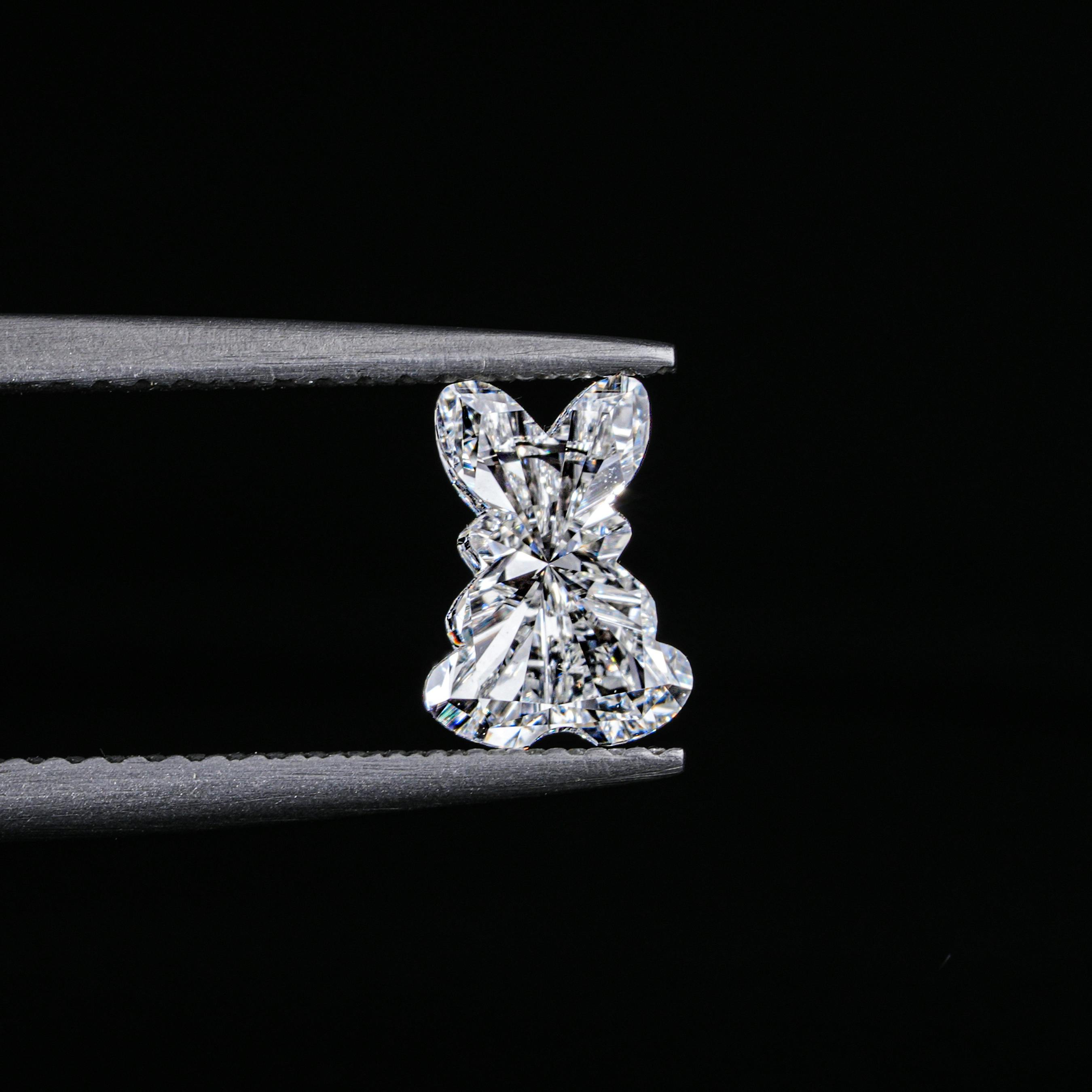
The 21 most expensive diamonds in the world
This is where the names matter. Not every stone on this list has a clean public sale price, because some are museum pieces, some are royal treasures, and some changed hands through private channels, which means the market only offers educated estimates. That’s life. Luxury is often opaque on purpose.
1. The Cullinan Diamond
The Cullinan Diamond is the giant of the category, discovered in South Africa in 1905 and cut into numerous famous stones, including those in the British Crown Jewels. Its original rough weight was 3,106 carats, which is so excessive it sounds made up. It isn’t.
2. The Great Star of Africa
Also known as Cullinan I, this is the largest clear-cut diamond in the world, set in the Sovereign’s Sceptre. Its importance is historical, ceremonial, and deeply tied to monarchy. The visual power is immense, and yes, that matters.
3. The Lesser Star of Africa
Cullinan II sits in the Imperial State Crown and carries more than gemological value. It is an object of state symbolism, a reminder that beauty can be enlisted for public ritual.
4. The Pink Star
The Pink Star sold at Sotheby’s for a record-setting sum, then later took on an even more mythic aura as the benchmark for pink diamond pricing. Rare color plus superb size equals market fireworks.
5. The Oppenheimer Blue
Named for Sir Philip Oppenheimer, this vivid blue diamond set a record at Christie’s and became a reference point for blue diamond demand. The stone’s saturation and size made collectors lose their composure in the expected civilized way.
6. The Blue Moon of Josephine
Sold at Sotheby’s, the Blue Moon of Josephine is one of the most expensive diamonds ever auctioned, prized for its Fancy Vivid Blue grade and striking clarity. It is small compared with some giants, yet its market value is enormous because color is king here.
7. The Wittelsbach-Graff Diamond
This historic deep blue diamond traveled through royal European collections before being acquired and reworked by Laurence Graff. Purists complained, naturally, but the recut improved brilliance and shifted the conversation from heritage alone to heritage plus optics.
8. The Graff Pink
A legendary pink stone with exceptional saturation, the Graff Pink became one of the most discussed diamonds in private and auction circles. Pink stones of this quality are scarce enough to make even wealthy buyers pause.
9. The Moussaieff Red Diamond
Red diamonds are astonishingly rare, and the Moussaieff Red Diamond remains one of the best-known examples. Tiny, fierce, and almost absurdly scarce, it proves that size is only one part of the equation.
10. The Hope Diamond
The Hope Diamond is perhaps the most famous blue diamond in the world, now housed in the Smithsonian. Its value is difficult to pin down because its fame, history, and cultural gravity are the whole package.
11. The Regent Diamond
The Regent Diamond is another historic gem with French royal associations. It may not have the auction drama of newer record breakers, but it remains a monumental stone in the history of collecting.
12. The Taylor-Burton Diamond
Once owned by Richard Burton and Elizabeth Taylor, this legendary diamond was the kind of celebrity object that modern branding people wish they could invent. They can’t. A real love story and a real gem beat fake hype every time.
13. The De Beers Centenary Diamond
This flawless D-color stone is celebrated for its top-tier quality and exceptional cut. It was never the loudest diamond in the room, which is exactly why connoisseurs respect it.
14. The Millennium Star
A major D-color diamond with remarkable clarity, the Millennium Star became famous through De Beers’ promotional exhibitions. Some stones gain value through pure visual perfection. No gimmick required.
15. The Koh-i-Noor
The Koh-i-Noor is steeped in imperial history and controversy, housed within the British Crown Jewels. Its value cannot be separated from politics, inheritance disputes, and the uneasy afterlife of empire.
16. The Incomparable Diamond
One of the largest internally flawless diamonds ever discovered, the Incomparable Diamond is a marvel of size and geometry. It is the sort of stone that makes ordinary jewelry seem like pocket change.
17. The Spirit of de Grisogono
A magnificent black diamond, this stone became famous through a spectacular high-jewelry setting. It shows that unusual color can be as powerful as brilliance when the presentation is disciplined.
18. The Archduke Joseph Diamond
This historic diamond sold for a hefty sum because collectors value a clean blend of pedigree and quality. That combination is catnip for the top end of the market.
19. The Heart of Eternity
De Beers used this vivid blue heart-shaped diamond to show what branding can do when paired with an extraordinary stone. The shape is romantic; the value is clinical.
20. The Perfect Pink
This stone’s value comes from its intense color and exceptional scarcity. It is proof that fancy color diamonds can achieve prices that make size-focused buyers look under-informed.
21. The Diamond Fire Star and other elite private stones
A few stones sit in private collections with valuations that are whispered, estimated, or kept deliberately vague. That secrecy is part of the market, for better or worse, because the rich like a curtain almost as much as they like a jewel.
What mistakes do buyers and collectors make?
They overpay for narrative. Most mistakes in this market come from confusing story with substance, and the truth is that polished sales language can mask mediocre cut, weak documentation, or dubious condition. I’ve seen people spend big on stones that were impressive only to the untrained eye. That’s not sophistication. That’s being sold a hymnbook without opening the cover.
- Ignoring provenance: A famous name can add real value, but a fake or sloppy ownership trail can destroy confidence.
- Obsessing over carat weight: A larger diamond can be less valuable than a smaller, far rarer fancy color stone.
- Skipping certification: No serious buyer should ignore lab reports, restoration notes, or independent verification.
- Buying only for trend: Today’s fashionable shade may not hold the same prestige tomorrow.
- Confusing auction spectacle with market truth: Bidding wars are not the same thing as stable valuation.
- Neglecting condition: Chips, recuts, and treatments matter. A lot.
Here’s the thing nobody likes to say out loud: some buyers want the status of owning a legendary diamond more than the actual asset. That is fine, up to a point, but ego is a terrible appraiser. Beauty can be rightly enjoyed, yet luxury becomes shallow when it forgets stewardship. A diamond should not be worshiped. It should be appreciated, cared for, and placed in context.
If you want a sense of how top auction houses frame these risks, compare Sotheby’s jewels auction catalog with Christie’s jewelry archive. The difference between sales language and hard value is often hidden in the footnotes.
Frequently asked questions
What is the most expensive diamond ever sold?
The most expensive publicly known diamond sales often include the Pink Star and major historic royal diamonds, though exact rankings can vary based on whether the stone was sold at auction, privately, or as a rough gem. Auction results change, and private sales are often opaque.
Why are pink and blue diamonds so expensive?
Because they are rare in nature, and rarity is the market’s blunt instrument. Strong color saturation, large size, and excellent clarity make them even more valuable, especially when demand is global and supply is microscopic. Simple enough.
Are diamonds a good investment?
Sometimes, but not automatically. Exceptional stones with strong certification, rare color, and provenance can hold value well, yet most diamonds are not investment-grade. The market rewards quality, documentation, and scarcity, not just sentiment.
What is the difference between an expensive diamond and a valuable one?
An expensive diamond may have a high sticker price because of branding or auction drama, while a valuable diamond has deep, durable attributes such as rarity, condition, and historical importance. Those are not the same thing.
For more on the auction side of collecting, see Christie’s Jewels department and the Sotheby’s Jewels department.
Final thought
The top diamonds are beautiful, but not innocent. They carry the weight of geology, labor, empire, and taste, which is why they deserve more than empty admiration or lazy outrage. The best way to view them is with clear eyes: as rare artifacts of the earth, refined by human skill, and made meaningful by history. That is a proper luxury mindset, if there is such a thing.
When I look at the finest stones, I do not just see wealth. I see discipline, patience, and the human urge to make raw matter into something ordered and enduring. That impulse can be vanity, sure. But it can also be a quiet form of gratitude—an acknowledgment that beauty exists, that excellence matters, and that the goods of this world are best enjoyed when they are handled with restraint. A diamond may sparkle, but a wise collector knows how to keep the soul from doing the same in foolish ways.
And that, frankly, is the difference between taste and nonsense.