The world’s priciest diamonds are not just stones. They are rare combinations of carat weight, color, clarity, cut, provenance, and historical intrigue, and...
The 21 Most Expensive Diamonds in the World: What Makes Them Priceless
The world’s priciest diamonds are not just stones. They are rare combinations of carat weight, color, clarity, cut, provenance, and historical intrigue, and the price often reflects more than geology—it reflects story, ownership, and the kind of craftsmanship people pretend not to care about until the bill arrives.
Key Takeaways:- The most expensive diamonds are valued for rarity, size, color, history, and provenance.
- Auction results often reflect collector psychology as much as gem quality.
- Famous stones can outprice technically superior gems because story matters.
- The diamond market rewards certified quality, but it also worships names and legends.
- If you want to buy intelligently, you need to study grading, not marketing.
What is the most expensive diamond in the world?
The most expensive diamond in the world is usually defined by the highest sale price, not merely by theoretical value. That distinction matters. A stone can be chemically superb, wildly rare, and still fetch less than a famous diamond with a royal history, because collectors pay for provenance, emotion, and status. Frankly, the jewelry market loves a good story almost as much as a good stone.
When I examined auction records and high-end gem reporting, one pattern kept repeating: the top diamonds are not winners because they are pretty. They are winners because they combine scale, color, purity, and a traceable past that adds gravity. A diamond that once sat in a royal treasury or passed through a legendary house carries a halo that ordinary stones cannot fake. That halo is real money.
Take the Koh-i-Noor, for example. Its fame is inseparable from imperial history, which makes it culturally powerful even if modern valuation is complicated by questions of ownership and ethics. Or consider the Pink Star, which stunned the market with its auction result because vivid pink diamonds are absurdly rare and heavily desired by serious collectors. The stone itself matters, yes. But the crowd around it matters too.
Most luxury marketing tries to make rarity sound mystical. It is usually simpler than that. Rarity means fewer comparable alternatives, and in diamonds that often means a larger carat weight paired with exceptional color and clarity, or a fancy color so uncommon that dealers and collectors argue over it like clergy over doctrine. Beauty, in a properly ordered sense, is not frivolous—it reflects excellence and proportion, the kind of workmanship that rewards discipline and patience.
If you want a serious overview of the broader luxury market, the same principles show up everywhere: scarcity, provenance, and craftsmanship. You can see that logic in fine watches, haute jewelry, and elite travel. The object changes. The rules do not.
Why expensive diamonds matter
Diamonds matter because they sit at the intersection of geology, art, finance, and human vanity. That sounds grandiose, but it is true. The best stones are scarce, portable, and instantly recognizable, which makes them ideal objects of desire for collectors who want beauty they can actually hold.
Here’s the kicker: people often assume price tracks size alone. It does not. A large diamond with average color and clarity may cost far less than a smaller stone with exceptional attributes. In the upper tier, a single grade change can mean millions. That is why experts obsess over the 4Cs—carat, color, clarity, and cut—because the market does not forgive carelessness.
- Carat matters because size is obvious and rare.
- Color matters because near-perfect absence of tint is hard to find.
- Clarity matters because internal flaws affect both appearance and value.
- Cut matters because a badly cut diamond wastes light and money.
There is also the matter of investment value. Not every diamond is a good investment, and anyone who tells you otherwise is probably selling something with too much commission attached. However, ultra-rare stones—especially exceptional colored diamonds with strong provenance—can perform like museum-grade assets. Auction houses such as Christie’s rare diamond sales show just how high collector demand can rise when quality and story meet.
For luxury buyers, diamonds also signal taste. Not loud taste. Better than that. A well-chosen diamond says the owner values craftsmanship, restraint, and permanence in a world obsessed with disposable nonsense. That is a more respectable impulse than pure display, and if we are honest, a more human one too.
Luxury also has a duty to stewardship. Fine gems are products of labor, trade, and earth. They should be purchased with attention to sourcing, certification, and ethics. The old biblical wisdom still applies: beauty is good, but so is responsibility. A thing of worth should be handled with worthiness.
How to evaluate a top-tier diamond
You need a system. Not vibes.
The luxury diamond market is full of theatrical nonsense, and buyers who skip the fundamentals tend to overpay for sparkle they cannot explain. I have seen people fall for size alone, then discover the stone is cloudy, weakly cut, or impossible to insure on sane terms. That is not sophistication. That is expensive laziness.
- Start with certification. Buy stones graded by respected labs such as GIA or other top-tier authorities. A certificate is not decoration. It is the baseline.
- Study color and cut before carat. Huge stones are impressive, sure, but a mediocre cut ruins performance. The light return matters more than bragging rights.
- Ask about provenance. If a diamond has a storied history, verify it. Auction catalogs, archival records, and trusted dealers matter here.
- Compare like with like. A colorless diamond is not the same market as a fancy vivid pink or blue. Apples and oranges. Or, in this case, very expensive geology.
- Inspect the setting. Even a superb diamond can be diminished by a poor mount. The metalwork, symmetry, and design should honor the stone.
- Think about liquidity. A famous diamond may be easier to resell than a lesser-known stone of similar quality, because name recognition drives demand.
- Consider insurance and storage. Luxury ownership is not just purchase price. It is maintenance, security, and documentation. That is the boring part. It also matters.
If you are exploring broader luxury categories, the same due diligence applies in other sectors. Before buying a watch, learn the movement. Before buying a handbag, learn the leather. Before booking luxury travel, learn what is actually included. The discerning buyer checks the bones, not the brochure.
For a deeper sense of how top brands present craftsmanship and value, see Harper’s Bazaar’s guide to the most expensive diamonds and Forbes coverage of luxury diamonds. Both are useful starting points, though neither replaces a proper gemologist with the patience of a saint.
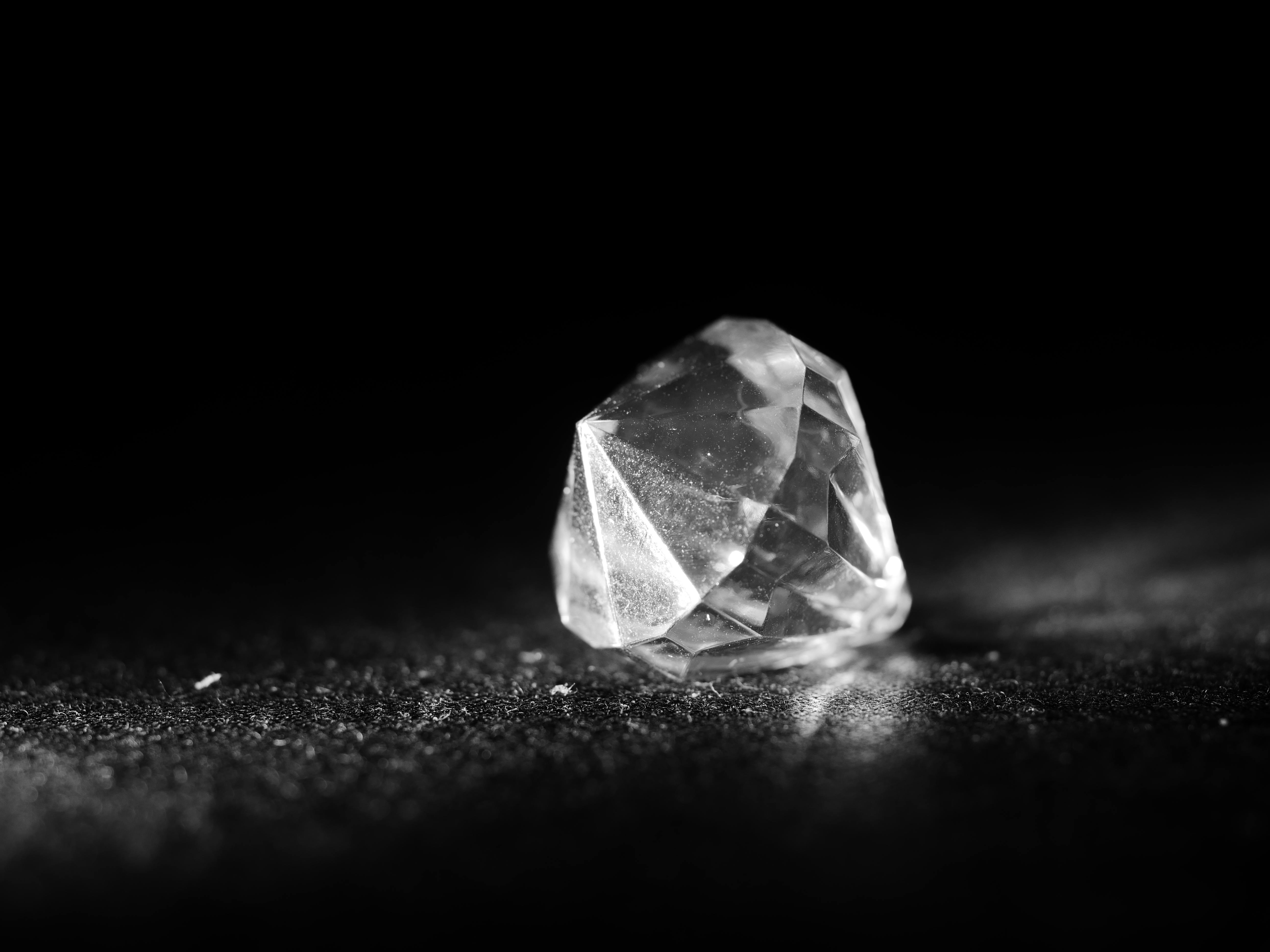
The 21 most expensive diamonds in the world
This list is where hype meets hard numbers. Some stones are priceless because they are iconic. Others are expensive because the auction market is flush with emotion and money. Both realities count.
1. The Koh-i-Noor
One of the most famous diamonds on earth, the Koh-i-Noor is wrapped in history, controversy, and imperial symbolism. Its exact market value is impossible to pin down because it is not a conventional commodity. It is closer to a national relic than a saleable gem.
2. The Cullinan Diamond
The Cullinan, discovered in South Africa, was the largest gem-quality rough diamond ever found. It was cut into multiple stones, including major pieces in the British Crown Jewels. Its value is astronomical in aggregate.
3. The Pink Star
This vivid pink diamond set records at auction because intense pink stones are outrageously rare. Size, saturation, and flawless appeal made it irresistible to elite buyers.
4. The Oppenheimer Blue
Named after Sir Philip Oppenheimer, this blue diamond is a textbook example of how fancy-color stones can outmuscle colorless gems in price. Blue diamonds are scarce, and demand is relentless.
5. The De Beers Blue
A massive blue diamond with exceptional grading, the De Beers Blue attracted major attention for its size and color. Fancy blue stones at this level are the sort of thing collectors dream about and accountants wince over.
6. The Blue Moon of Josephine
A cushion-cut fancy vivid blue diamond with legendary auction performance. The name alone sounds like a jewelry house trying to seduce an emperor.
7. The Graff Pink
This one is a darling of the high-end market. It is a rare pink diamond with a sale price that reflected both exceptional quality and the power of the Graff name.
8. The Wittelsbach-Graff Diamond
A historic blue diamond with royal provenance and serious controversy around cutting and recutting. Purists grumbled. Buyers still cared.
9. The Golden Jubilee Diamond
This yellow-brown diamond is one of the largest cut diamonds in the world. It is less about icy perfection and more about size, presence, and engineering.
10. The Centenary Diamond
A D-color, internally flawless diamond of remarkable size and polish. It is the sort of stone that makes ordinary jewelry look like costume fluff.
11. The Moussaieff Red Diamond
Red diamonds are among the rarest of all. This one is tiny compared with others on the list, but color rarity pushes it into elite territory.
12. The Perfect Pink Diamond
Smaller than some giants, but so rare and so well regarded that its value remains exceptionally high. In high jewelry, perfection can beat bulk.
13. The Regent Diamond
A historic diamond with a trail through French and European power circles. Its value is not just gemological; it is cultural and political.
14. The Hope Diamond
Perhaps the most famous blue diamond in the world, though notoriety can be a mixed blessing. Museums rarely sell, which makes valuation speculative. Still, its fame is immense.
15. The Steinmetz Pink
A vivid pink stone with significant size and exceptional color. Pink diamonds in this class are beloved by collectors who prefer rarity over showy excess.
16. The Serena Diamond
A lesser-known but still highly valued gem, the Serena reflects how the market extends beyond headline stones to serious private holdings.
17. The Archduke Joseph Diamond
A classic colorless diamond of great size and quality, with a noble history and refined appeal. It is elegant rather than loud. Good.
18. The Sancy Diamond
A historic pale yellow diamond with a fascinating trail through European nobility. Its valuation is complicated by age, condition, and lore.
19. The Dresden Green
A rare green diamond with museum-grade appeal. Green diamonds are unusually scarce, and this one has a special place in gem history.
20. The Allnatt Diamond
This yellow diamond is prized for its size and color, with a strong market reputation among collectors who know their stones.
21. The Excelsior Diamond
Originally a massive rough diamond, it was split into several stones. Like many great roughs, its importance lies partly in what it became.
If you want to understand why these stones command such obscene sums, study the market for luxury elsewhere. The same logic turns up in haute horology and elite travel, where rarity, heritage, and service quality justify premiums. A diamond is not the only object people buy for meaning.
For background on auction results and colored-diamond pricing, the Sotheby’s diamond auction archive and GIA research and news are worth a look. The data is better than the marketing copy, which is saying something.
Comparison table: famous diamonds vs. modern luxury watches
Luxury buyers often compare objects that should not be compared, then pretend the comparison is profound. Still, there is a useful contrast here. Diamonds and luxury watches both trade on craftsmanship, heritage, and scarcity—but they behave differently as assets.
| Feature | Expensive Diamonds | Luxury Watches |
|---|
| Primary value driver | Rarity, color, clarity, provenance | Movement, heritage, brand, condition |
| Portability | Extremely high | High |
| Visual recognition | Immediate | Strong among enthusiasts |
| Market liquidity | Strong for famous stones | Strong for rare references |
| Emotional appeal | Status, beauty, symbolism | Craft, engineering, identity |
| Price volatility | Can be erratic at auction | Also volatile, but reference-driven |
| Best buyers | Collectors, museums, ultra-high-net-worth buyers | Collectors, investors, style-driven buyers |
The lesson is plain. Diamonds are more about singularity. Watches are more about mechanism. Both can be absurdly expensive, but the routes to value differ.
That distinction matters if you are buying for pleasure or preservation. A watch can be serviced. A diamond cannot be “improved” in the same way without changing its identity. A stone is a fixed thing, which is part of its charm and part of its problem. Choose accordingly.
For readers interested in adjacent luxury categories, compare this mindset with [luxury watch craftsmanship and complications] if available on your site, or with premium travel content such as [exclusive destinations and resort experiences]. The same rule keeps appearing: quality is concrete, not theatrical.
Common mistakes to avoid when judging expensive diamonds
The market is full of bad advice. Much of it is polished, expensive bad advice, which is worse.
First, do not worship carat weight. Bigger is not automatically better. A large stone with poor cut or weak color can look dead under light, and dead is not a luxury aesthetic. It is a mistake with a certificate.
Second, do not ignore provenance. People call history “extra.” It is not extra. A famous chain of ownership can change everything, especially at the top end. A diamond with a documented royal or celebrity past can command a premium that pure gem data cannot explain.
Third, do not buy on emotion alone. That is how people end up overpaying for a story they can repeat at dinner parties but cannot defend in a resale market. If I had a dollar for every buyer who fell in love with a stone before checking the grading report, I’d be writing this from a yacht.
Fourth, do not assume all certificates are equal. They are not. Some reports are more respected, more detailed, and more trusted in the international market. Know the issuer.
Fifth, do not overlook setting quality. A stone can be magnificent and still look clumsy if mounted badly. Jewelry is an art of proportion, and proportion is where a lot of luxury brands quietly earn their keep.
Sixth, do not treat “investment diamond” claims as gospel. The market is thin, selective, and emotionally driven. Liquid assets are not all liquid in the same way. Fancy color stones with strong documentation are one thing. Generic white diamonds sold at retail are another.
Seventh, do not forget ethics. Responsible sourcing, transparent trade records, and conflict-free standards matter. Fine goods should not rest on injustice. That should be obvious, but luxury sometimes needs a reminder.
Frequently asked questions
What makes a diamond so expensive?
A diamond becomes expensive when rarity, quality, size, and demand collide. Fancy color, high clarity, excellent cut, and strong provenance can push the price into extraordinary territory. Auction fame can add another layer of value.
Are colored diamonds more valuable than colorless diamonds?
Often, yes. Especially in rare hues like pink, blue, and red. Fancy vivid color diamonds can dramatically exceed the price of colorless stones of similar size because the supply is tiny and collector demand is fierce.
Is a bigger diamond always more valuable?
No. Size helps, but only when the other factors hold up. A smaller diamond with exceptional color and clarity can be more valuable than a larger but mediocre stone. The market is picky. Rightly so.
Can expensive diamonds be a good investment?
Sometimes. Rare stones with strong certification, documented provenance, and deep collector interest can hold or increase value. But this is not a simple index fund. It requires knowledge, patience, and a tolerance for illiquidity.
Final thought
The most expensive diamonds are not just objects of desire. They are artifacts of geology, memory, and human judgment, and that mix is exactly why they hold power. A diamond can glitter without meaning, but the stones at the top of the market usually carry something more: workmanship, history, and the weight of being truly uncommon. That is why people pay. Not for sparkle alone. For permanence, for proof, for the quiet satisfaction of owning something that was not made cheaply, not sold carelessly, and not found everywhere.
That last point matters more than the market admits. In a time obsessed with speed and volume, the finest diamonds still reward patience, discernment, and humility. Those are old virtues, really. Good ones. A beautiful stone should not merely impress the eye; it should remind the buyer that excellence takes time, that labor has dignity, and that beauty, when rightly ordered, points beyond itself. Frankly, that is the only reason luxury remains worth discussing.