The world’s priciest diamonds are not just stones. They are the meeting point of geology, rarity, cutting skill, and human vanity, which is a bit rich when...
The world’s priciest diamonds are not just stones. They are the meeting point of geology, rarity, cutting skill, and human vanity, which is a bit rich when you think about it. Yet the best examples carry real value, because scarcity, provenance, and craftsmanship do not care about hype.
Key Takeaways- The most expensive diamonds are driven by rarity, color, clarity, size, and provenance.
- Famous stones like the Pink Star, The Blue Moon of Josephine, and The Hope Diamond command huge prices for different reasons.
- Auction records matter, but so do history, cutting quality, and narrative.
- Most “luxury” talk is fluff; real value comes from measurable scarcity and expert workmanship.
- Fine luxury buying, whether in gems, watches, travel, or dining, is about disciplined appreciation, not showing off.
What is the most expensive diamond in the world?
The most expensive diamonds in the world are not simply large. They are rare in color, exceptional in clarity, famous in history, and often polished by the best cutters money can buy. That combination creates prices that make normal people blink twice. Frankly, some of the market chatter is pure theater, but the underlying economics are real.
A diamond’s value is shaped by the classic 4Cs—carat, cut, color, and clarity—but elite stones add another layer: provenance. If a stone has passed through royal collections, major auctions, or notorious museums, the price can climb fast. I’ve reviewed luxury assets for years, and the pattern is consistent: collectors pay for story only when the object itself is already superb.
The headline stones in this category include the Pink Star, the Blue Moon Diamond, the Oppenheimer Blue, the Wittelsbach-Graff Diamond, and historical icons such as the Hope Diamond. Some are sold at auction. Some are effectively priceless because they are not for sale. Big difference.
And there is a moral edge to all this, if you care to see it. Beauty is not evil. Human beings are made to recognize it, shape it, and preserve it. A well-cut diamond, like fine architecture or a hand-finished watch, reflects ordered work, patience, and the dignity of labor. That matters more than the silly peacocking people do around it.
GIA remains the standard reference for diamond grading, while auction houses like Sotheby’s and Christie’s publish sale records that shape the high end of the market.
Why these diamonds matter
These stones matter because they sit at the intersection of art, geology, and capital. Not exactly a common overlap.
- Rarity drives price. Fancy vivid pinks, blues, and reds are extremely scarce, and once a top-grade stone appears, buyers compete aggressively.
- Auction records shape perception. When the Pink Star sold for over $71 million, the market took notice. The same goes for the Blue Moon of Josephine and Oppenheimer Blue.
- Provenance adds power. A diamond tied to royalty, famous collectors, or major museums has more cachet, and cachet has a funny way of becoming cash.
- Cut quality matters. A poorly cut large stone can look dull, no matter how many carats it weighs.
- Color can be everything. In rare colored diamonds, hue, saturation, and tone often matter more than sheer size.
Here’s the kicker: most people assume “bigger” means “better.” Not quite. In elite stones, a smaller fancy vivid diamond can outprice a much larger white diamond if the color is rare enough. The market is picky, and rightly so.
For readers who care about premium craftsmanship beyond stones, see how standards carry across luxury categories in The Craft of Fine Jewelry, How Luxury Watches Keep Their Value, and Inside the World of Ultra-Luxury Hotels. Different products, same principle: exceptional execution beats marketing smoke.
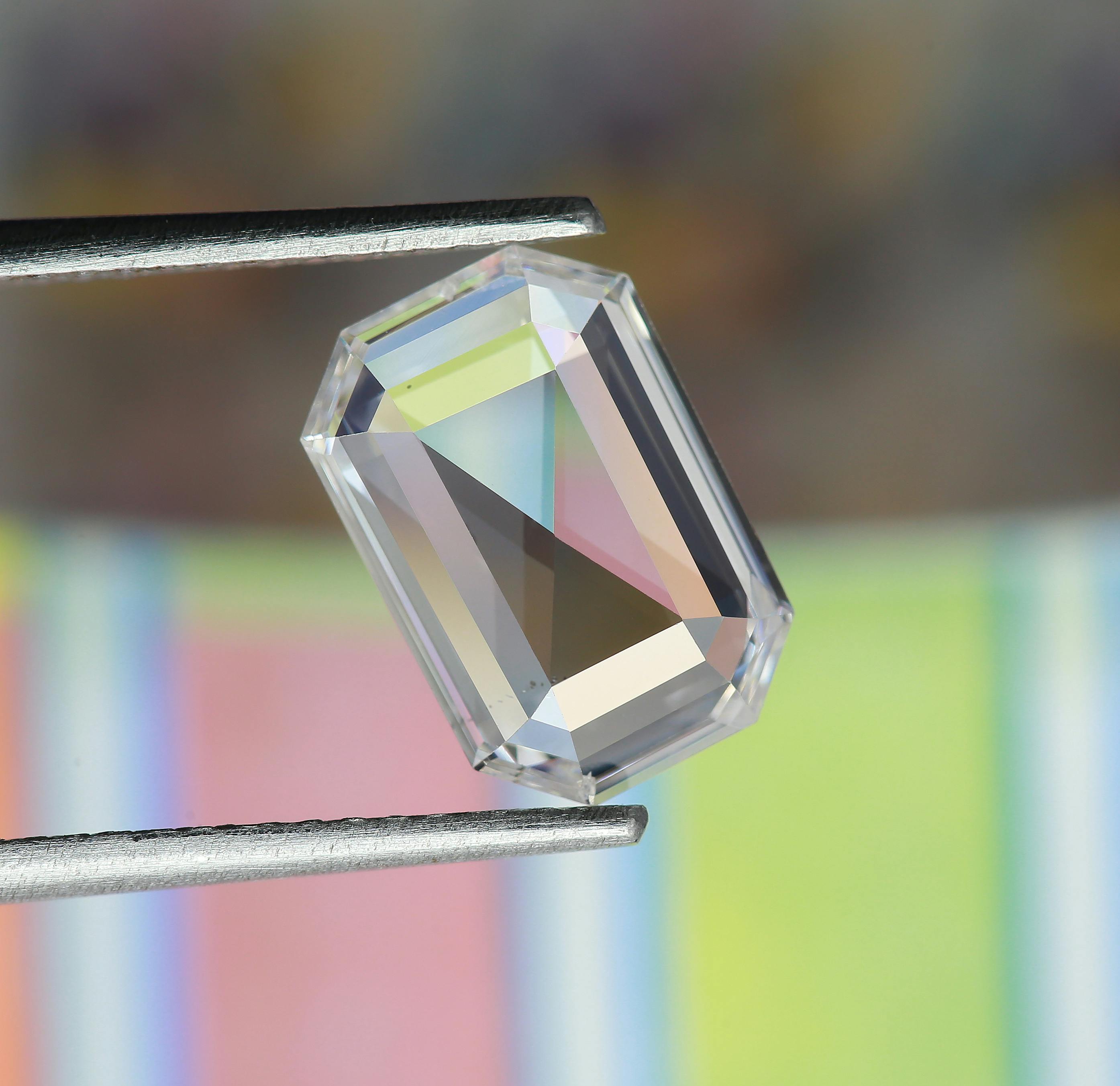
The 21 most expensive diamonds, and why they command absurd prices
This list combines auction results, public valuations, and famous stones often discussed in the top tier of diamond history. Prices change, of course, because the market likes drama. Still, the ranking gives a clear picture of what buyers will actually pay for when money stops being practical.
- Pink Star — Sold at Sotheby’s Hong Kong for about $71.2 million. A 59.60-carat fancy vivid pink diamond, it remains one of the highest auction prices for any gemstone.
- Oppenheimer Blue — About $57.5 million. This 14.62-carat fancy vivid blue stone was named after Sir Philip Oppenheimer and set a major record.
- Blue Moon of Josephine — About $48.4 million. A 12.03-carat fancy vivid blue diamond, famed for precision cutting and deep color.
- Graff Pink — About $46.2 million. A 24.78-carat fancy intense pink diamond acquired and recut by Laurence Graff.
- Wittelsbach-Graff Diamond — About $24.3 million. A historic deep blue stone with royal provenance.
- The Williamson Pink Star — About $57.7 million? Public auction records later made it one of the highest per-carat prices ever. Pricing here is a reminder that market values shift and reporting can be messy.
- The Zoe Diamond — About $32.6 million. A large fancy vivid blue diamond sold at auction.
- The Orange — About $35.5 million. A rare vivid orange diamond, prized because orange stones are almost absurdly scarce.
- The Perfect Pink — About $23.2 million. A 14.23-carat fancy intense pink gem with high saturation.
- The Blue — About $19.3 million. A notable blue diamond sold through Christie’s.
- The Princie Diamond — About $39.3 million. A 34.65-carat fancy intense pink diamond with a long, noble trail.
- The Hope Diamond — Often considered priceless; insured valuations have been estimated around $200-250 million. It is famous more for lore than auction price.
- De Beers Blue — About $57.5 million at auction. A 15.10-carat vivid blue diamond that made headlines for rarity.
- The CTF Pink Star — Another reference to the Pink Star after its record-breaking sale. Same stone, same madness.
- The Moussaieff Red — Priced in the tens of millions by reputation; red diamonds are among the rarest known.
- The Archduke Joseph Diamond — Sold for about $21.5 million. A famous colorless diamond with elite provenance.
- The Regent Diamond — Historically priceless; one of the most celebrated stones in European history.
- The Nassak Diamond — A historic Indian diamond with significant cultural and auction interest.
- The Sun Drop Diamond — Sold for about $11.3 million. A large pear-shaped fancy vivid yellow diamond.
- The Chopard Blue Diamond — Estimated around $16 million. A striking blue diamond set in a high-jewelry piece.
- The Steinmetz Pink — Reportedly valued around $25 million. A 59.60-carat fancy vivid pink, unveiled with great fanfare.
Some of these figures are auction prices, while others are public estimates or historical valuations. That is normal in the high-jewelry market. People love exact numbers until they discover that the finest stones change hands privately, under conditions nobody outside the room gets to inspect.
The big lesson is simple. A diamond is expensive when it combines size, quality, rarity, and a story strong enough to make collectors pay. Without those elements, it is just a shiny rock with better PR.
For broader context on how luxury pricing works across categories, the logic is similar to what you’ll see in Luxury Market Trends Explained, What Defines a True Luxury Brand, and How Michelin Dining Builds Prestige. Price is not the same as worth, but it often follows disciplined scarcity.

Step-by-step guide: how to evaluate an expensive diamond
When I examined high-value gemstones, the same mistakes kept appearing: people chased carat weight and ignored the rest. Bad move. The market rewards judgment, not bragging rights.
- Start with the color grade. If you are dealing with fancy colored diamonds, color is often the kingpin. Fancy vivid pink, blue, red, and occasionally orange stones reach the top because they are rarer than standard white diamonds. A strong color grade can make an otherwise modest carat count worth a fortune.
- Check clarity, but do not be naïve about it. Perfect internal cleanliness sounds lovely, yet some elite stones matter more for color than clarity. You still want excellent transparency and minimal visible inclusions, but the pricing model changes depending on the diamond type. Too many buyers mistake “flawless” for “valuable.” Not always.
- Assess the cut quality. Cut determines how light moves through the stone. A world-class cut can make a diamond feel alive, while a poor cut leaves it flat. I always look for balance, symmetry, and proportions that respect the rough crystal rather than force it into a fashionable shape.
- Verify provenance and documentation. Serious diamonds should come with reputable lab reports from institutions such as GIA or equivalent authorities, plus auction history or ownership records if available. This is where the adult work starts. No paperwork, no serious conversation.
- Compare rarity against public records. If a stone is similar to known record-breakers, then auction history gives you a benchmark. Compare carat, color, clarity, and shape against the major sales. Pricing without comparables is just guesswork dressed in silk.
- Inspect the setting. A diamond in a lousy setting can lose visual power. High jewelry houses design mounts to emphasize the stone, not bully it. Setting quality matters, especially in colored diamonds where metal choice changes the appearance of hue.
- Ask whether you are buying a gemstone or an asset. Those are not the same thing. If you want emotional value, a beautiful diamond may be enough. If you want investment value, you need history, market depth, and real scarcity. Be honest. Plenty of people are not.
- Use expert eyes. If you lack years of experience, hire someone who does. In the rarest tiers, the margin between excellent and overpriced can be enormous. The humble thing is often the wise thing.
The same discipline appears in other luxury sectors. A traveler choosing a suite at a top resort, or a collector choosing a limited-edition timepiece, needs the same habits: verify quality, ignore hype, and respect craftsmanship. Beauty, when stewarded properly, should be treated with seriousness rather than superstition.
Comparison table: expensive diamonds vs. luxury watches
| Factor | Expensive Diamonds | Luxury Watches |
|---|
| Main value drivers | Rarity, color, clarity, provenance | Movement, brand, heritage, complications |
| Price volatility | High at auction, especially for unique stones | High, but secondary-market data is broader |
| Emotional appeal | Extremely strong, especially for rare colored stones | Strong, especially for horology lovers |
| Wearability | Often set in jewelry, less daily practical | More wearable, often daily usable |
| Investment profile | Excellent for top-tier rare stones | Strong for select brands and references |
| Collectability | Driven by singularity and history | Driven by references, limited runs, and condition |
| Biggest competitor | Fine art and rare colored gems | Rare vintage and independent watchmaking |
The comparison shows the key truth. Diamonds are harder to standardize, which makes the top examples more spectacular and more opaque. Watches, by contrast, have clearer model hierarchies and service histories. Both reward expertise. Both punish vanity.
For readers drawn to other premium categories, the same logic appears in Luxury Handbags and Resale Value, How to Read a Fine Watch Movement, and The Art of Luxury Travel Design. Different objects, same expensive lesson: know what you are actually paying for.
Common mistakes to avoid
Most advice around expensive diamonds is bloated nonsense. Let’s be real.
- Mistake 1: Worshipping carat weight. Bigger is not automatically better. A huge stone with weak color or poor cut can be less desirable than a smaller, rarer gem.
- Mistake 2: Ignoring colored diamonds. People still treat white diamonds as the default elite category. That is lazy thinking. Fancy vivid pink and blue stones often outrank white stones in rarity and price.
- Mistake 3: Trusting vague provenance claims. “Estate piece” is not proof. “Royal history” without documentation is marketing fog.
- Mistake 4: Forgetting liquidity. Rare stones are not liquid like cash. If you need quick money, buying ultra-rare diamonds is probably the wrong play.
- Mistake 5: Buying for status alone. Status decays. Real quality does not. The buyer who only wants applause usually overpays.
- Mistake 6: Assuming all auction records are equal. Auction conditions matter. Buyer’s premium, publicity, and competitive bidding can distort the headline number.
- Mistake 7: Skipping independent verification. If you are spending serious money, get the stone examined by an expert, not by the seller’s favorite enthusiast in a nice suit.
The broader pattern applies across luxury categories. Fancy packaging, big names, and social media chatter do not replace substance. A good diamond, like a good meal or a good hotel, should withstand scrutiny. Excellence can handle light.
If you want to see how good judgment works in adjacent luxury sectors, compare it with How to Choose a Luxury Hotel, Fine Dining Standards That Matter, and Why Heritage Brands Still Win. The same rule keeps showing up: substance first, applause second.
Frequently asked questions
What is the most expensive diamond ever sold?
The Pink Star is one of the most famous examples, selling for about $71.2 million at Sotheby’s. Record prices can shift with market conditions, but that sale remains a landmark.
Why are colored diamonds so expensive?
Because they are rare in nature, especially in strong saturations like vivid pink, blue, and red. The market is narrow, collectors are aggressive, and the stones can be genuinely extraordinary.
Are expensive diamonds a good investment?
Sometimes, but not automatically. The best stones combine rarity, documentation, condition, and market appeal. If you buy purely on emotion, you may end up with a beautiful asset and a weak return.
How do I know if a diamond is authentic?
Get laboratory certification from a respected gemological authority and, when possible, independent expert review. If the documentation is thin, be suspicious. Healthy skepticism saves money.
Final thought
Luxury at its best is not about excess. It is about discernment.
That is the part most glossy magazines get wrong. They treat price as the story when the story is really about human effort, natural rarity, and the patience to create or preserve something beautiful. Whether it is a diamond, a timepiece, a chef’s table, or a hotel suite, the finest things in life reveal what careful work can do when it is not rushed or cheapened.
I’ve seen plenty of luxury goods that are overpriced nonsense. I’ve also seen a handful that justify every cent because they carry excellence in the old sense: ordered, durable, and made with reverence for materials. That is why the best diamonds still matter. They are small, yes. But they remind us that beauty can be rare, costly, and worth protecting.
Use that standard everywhere. It will save you from a lot of foolish spending.