Luxury river cruising is not about floating around in a shiny brochure. It is about space, service, route quality, and the sort of details most lines love to...
The 23 Best Luxury River Cruise Lines for 2026: What Actually Sets Them Apart
Luxury river cruising is not about floating around in a shiny brochure. It is about space, service, route quality, and the sort of details most lines love to shout about while quietly skimping on the hard stuff. What matters is cabin design, shore access, cuisine, and whether the ship feels refined or merely expensive. The new trend pieces are nice, but the real value is in the execution.
Key Takeaways- The best luxury river cruise lines combine intimate ship size, strong itineraries, and genuinely attentive service.
- A plunge pool or sun terrace sounds lovely, but the route and guides matter more.
- True luxury is measured in restraint, craftsmanship, and comfort, not gimmicks.
- Compare inclusions carefully: wine, excursions, gratuities, and transfers change the real price.
- The best choice depends on where you want to sail, not just which ship looks prettiest in photos.
Luxury river cruising means premium travel on smaller ships that sail inland waterways with high service standards, elegant cabins, curated excursions, and often fine dining, beverages, and guided cultural access included. The category exists because some travelers want depth instead of scale. Fair enough. I have reviewed enough luxury travel products to know that brands often dress up ordinary features as revelation, and the market eats it up. A polished atrium or a sun terrace with a plunge pool does not automatically mean excellence. It just means someone spent money on stainless steel and marketing photos.
The better river cruise lines understand something old-fashioned: comfort should serve the guest, not the other way around. Beauty should be useful. That is a very sane idea, actually, and it fits a Catholic view of craftsmanship pretty neatly—good work is ordered, generous, and made for real human flourishing, not mere spectacle. When a ship has quiet lounges, thoughtful cuisine, and cabins that do not waste space, you feel the difference immediately.
The current field includes names such as Viking, AmaWaterways, Uniworld, Scenic, Tauck, Avalon Waterways, Emerald Cruises, American Cruise Lines, Riverside Luxury Cruises, A-ROSA, CroisiEurope, and others with varying levels of polish. Some focus on Europe, others on the Mississippi, Rhine, Danube, Rhône, Seine, Douro, Mekong, or Nile. Some are heavy on inclusions. Some are heavy on adjectives. Choose wisely.
Here is the kicker: the best luxury river cruise is not the one with the loudest claim of being “ultra-luxury.” It is the one that matches your route, your preferred pace, and your tolerance for organized fun. That is the whole game. The ship matters, yes, but so does whether you actually want a tasting menu every night or would rather have room to breathe.
What follows is a practical way to sort the worthy from the overhyped.
What is a luxury river cruise line?
A luxury river cruise line operates small ships on inland waterways with an emphasis on service, cabin quality, dining, and curated cultural access. Simple enough. But the real definition gets messier once marketing departments start layering on “all-inclusive,” “boutique,” and “ultra-premium” like frosting on a stale cake.
When I examined river cruise offerings across Europe and North America, the lines that actually stood out shared the same basics: limited passenger counts, strong crew-to-guest ratios, well-planned shore excursions, and cabins that feel like real private rooms rather than cargo compartments dressed in upholstery. That is the standard. Anything less is just an expensive bus with a wake.
The best operators are serious about materials and workmanship. Think proper wood finishes, sensible storage, quiet HVAC, and bathrooms that do not make you regret ordering the suite. Most people get distracted by extras like plunge pools, but the honest luxury lives in the details: bed quality, shower pressure, actual silence at night, and dining that tastes like it was made by professionals instead of warmed under a lamp.
Travel + Leisure’s river cruise coverage remains useful because it compares routes, ships, and service levels rather than just parroting slogans. Likewise, AFAR’s river cruise guides are helpful when you want to know which itineraries are worth your time. Not bad, right?
Luxury here also means stewardship. That sounds pious because it is. A river is not an amusement park ride; it is a working corridor through towns, farmland, and history. The better cruise lines respect that reality by supporting local guides, using better planning, and avoiding the sort of wasteful excess that looks glamorous for ten minutes and silly forever after.
So what should you actually look for? First, itinerary quality. Second, room design. Third, dining. Then service, inclusions, and the line’s consistency across ships. A river cruise line can have one beautiful new ship and three mediocre ones. That happens all the time. Do not be fooled.
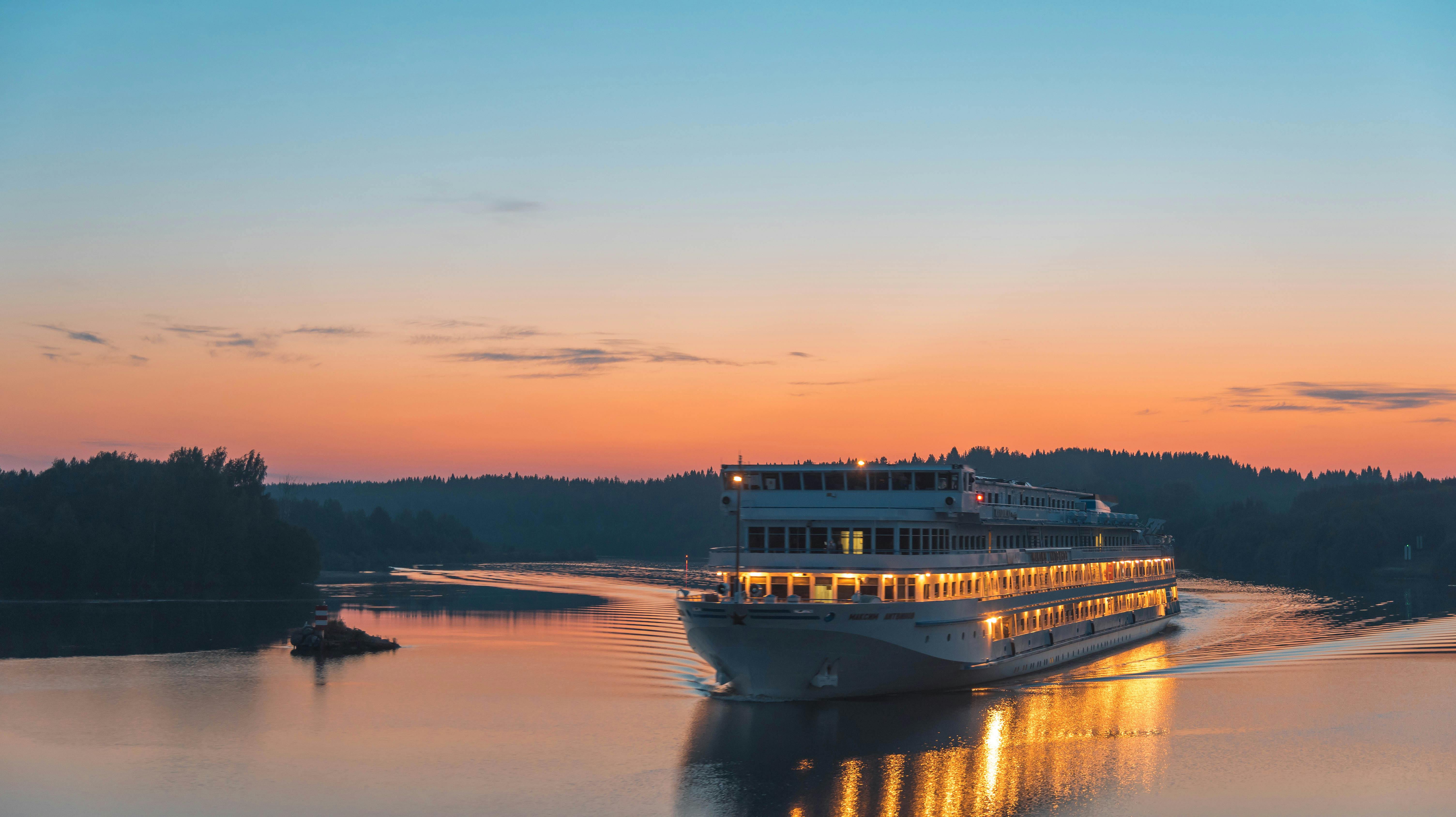
Why luxury river cruises matter
They matter because time is scarce. A week on a river should not feel like being trapped in a floating conference room. It should feel composed, calm, and well-run. That is the point. And frankly, most travel brands still misunderstand this.
For travelers who care about comfort and access, luxury river cruising offers a rare mix: unpack once, visit several destinations, and return to a familiar cabin each night. You get depth without constant logistics. That is not a trivial benefit. It means less friction, fewer airport tantrums, and more attention for the actual places you came to see.
The strongest lines elevate the experience through culture rather than noise. Think private museum access, walking tours led by local historians, wine tastings with people who know what they are talking about, and menus that reflect the region instead of generic “international” mush. Here’s the thing: luxury is not supposed to be loud. It should feel exact.
Here are the main benefits that separate serious operators from the pretenders:
- Intimacy: Smaller ships create quieter public spaces and more personal service.
- Access: Rivers bring you close to historic centers, often closer than oceangoing ships can manage.
- Curation: Better lines curate excursions with purpose instead of stuffing the schedule.
- Dining: Good cruises align cuisine with region, season, and proper technique.
- Value clarity: Strong inclusions often simplify the final price, though you still need to read the fine print.
Of course, not every “luxury” river cruise deserves the label. Some are just standard cruises with extra window dressing and a more expensive wine list. I’ve seen plenty of brochures try to turn routine into grandeur. It is nonsense. The better metric is how consistently a line executes across the whole trip: embarkation, cabin readiness, meals, housekeeping, and shore programs.
If you want deeper context on premium travel standards, Condé Nast Traveler’s river cruise roundups and Forbes Travel Guide are worth consulting for service benchmarks and luxury expectations. Use them like a sensible adult, not like a brand loyalist at a launch party.
There is also a moral dimension here, subtle but real. Well-made things honor labor. A finely executed cabin, polished service, and thoughtful cuisine reflect human skill directed toward guest comfort. That kind of ordered excellence matters because beauty, rightly used, points beyond mere consumption. No sermon needed. Just common sense.
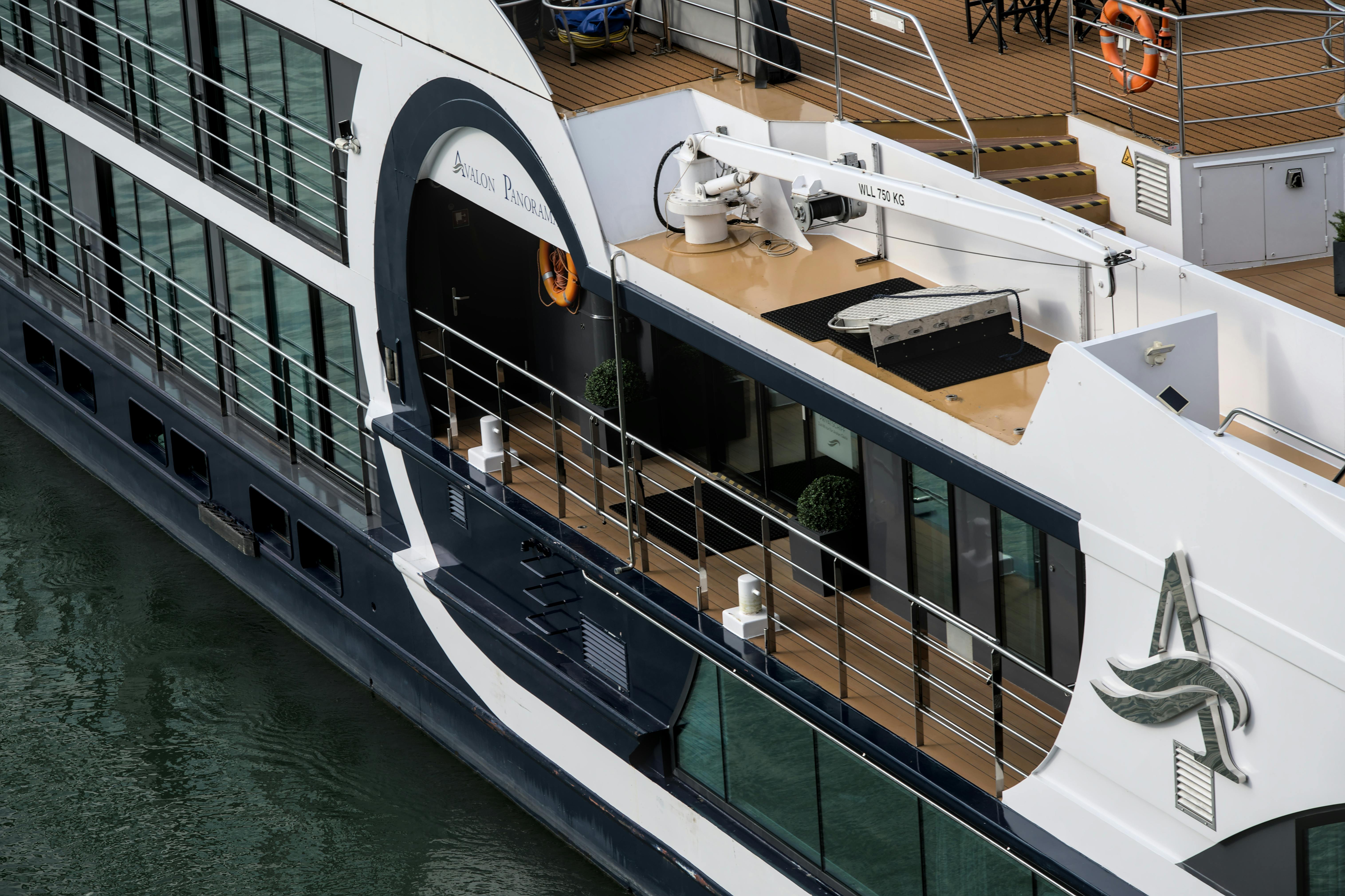
How to choose the right luxury river cruise line
Start with the route. That’s first.
A river cruise is only as good as the waterway, the season, and the sequence of ports, so obsessing over a plunge pool before checking the itinerary is backward, and yes, people do that all the time. The right line depends on whether you want the Danube, Rhine, Rhône, Seine, Douro, Mekong, Nile, or Mississippi, because each one has a different pace, climate, and style of sightseeing.
Then check the cabin. I mean really check it. Not the rendered photo with perfect sunlight and an improbably tidy tote bag. Look for square footage, bed configuration, storage, bathroom layout, and outdoor space that is actually usable. Some lines advertise French balconies as if they were palaces in disguise. They are not. They are pleasant, but let’s not get carried away.
Here’s the selection process I use when analyzing premium cruise options:
- Match the itinerary to your interests. History, wine, architecture, food, or scenic countryside? Pick one primary reason for going.
- Check inclusions. Transfers, excursions, drinks, gratuities, Wi-Fi, and specialty dining can shift the real value dramatically.
- Review cabin categories. A good entry-level suite on one line can beat a “signature” cabin on another.
- Study dining style. Some travelers want tasting menus; others want regional comfort food done properly. Know yourself.
- Read recent ship reviews. Fleet age matters. So does staffing consistency.
- Assess shore experience quality. Local guides, small groups, and meaningful access beat bus marathons.
- Compare total cost, not headline fare. This is where people get fooled. Every. Single. Time.
My own research on river cruise value keeps returning to the same truth: the best operators are dull in the right way. They run on schedule, they keep the cabin immaculate, and they do not treat guests like pawns in a branding exercise. That is worth money. The flashier options sometimes deliver, but often you are paying for the aura rather than the experience.
If you want an especially relevant example, the rise of ships like Viking Mississippi shows how serious lines are adapting to North American river cruising with more generous public spaces, improved balcony concepts, and features such as sun terraces and plunge pools. Fine. But the real question is whether those features improve your day or merely photograph well. That distinction matters.
And do not ignore the human side. Crew warmth, competence, and consistency matter more than the linen thread count. A gracious attendant who anticipates your coffee order beats a marble counter every time.
Luxury river cruise lines compared
| Line | Strengths | Typical Style | Best For |
|---|
| Viking | Strong itineraries, broad reach, clean Scandinavian design | Modern, restrained, efficient | First-time luxury river cruisers |
| Uniworld | High design, butler service on select ships, opulent interiors | Decorative, indulgent, distinctive | Travelers who want visual flair |
| AmaWaterways | Good dining, active excursions, solid cabins | Refined and sociable | Guests who want wellness and activity |
| Scenic | All-inclusive approach, strong suite product | Upper-premium and polished | Travelers seeking fewer surprises |
| Tauck | Excellent guiding, strong service, elevated excursions | Quiet, high-touch, coordinated | Guests who care about execution |
| Riverside Luxury Cruises | Spacious suites, residential feel, premium service | Elegant and contemporary | Travelers who want a newer luxury option |
| American Cruise Lines | U.S. river focus, domestic convenience | Patriotic, practical, comfortable | North American itineraries |
| Emerald Cruises | Strong value, modern ships, good inclusions | Streamlined and current | Value-conscious luxury seekers |
The comparison is not perfect, because no table can replace firsthand judgment. Still, it helps. The common mistake is assuming “luxury” means the same thing across every line. It doesn’t. Viking is not Uniworld. Scenic is not AmaWaterways. And a Mississippi itinerary is not a Danube itinerary with a Southern accent.
If you are researching broader luxury travel criteria, Luxury Travel Advisor and TravelPulse cruise reporting provide useful updates on new ships, route changes, and inclusions. Good to know. Not gospel.
Common mistakes to avoid
People get dazzled. That’s the main problem.
The first mistake is buying the brochure version of luxury. A sun terrace, a plunge pool, or a fancy name for a lounge is not proof of quality. It may be pleasant, sure, but if the food is average and the excursions are sloppy, the ship is just a pretty shell. Don’t be that person.
The second mistake is ignoring the route. Travelers sometimes pick the line first and the waterway second, which is backwards. The river defines the trip. Weather, locks, docking access, and scenery all matter. On the Mississippi, for example, the feel is distinctly American and spacious; on the Danube, you are dealing with a dense historical corridor. Different beasts entirely.
The third mistake is trusting “all-inclusive” without checking the actual inclusions. Are premium wines included? Are gratuities covered? Are shore excursions private or mass-market? Is Wi-Fi strong enough to matter? These details change the value, and marketing departments know most people won’t check until after the deposit clears. Shocking, I know.
The fourth mistake is overvaluing gimmicks. A plunge pool on Viking Mississippi may be a nice touch, but if you never use it because the day is full of ports, meals, and lectures, then what exactly did you pay for? Here’s the truth: useful luxury is quiet, repeatable, and comfortable. It does not need to perform.
The fifth mistake is treating service as a vague feeling. Service should be measurable. Was the cabin ready on time? Were dietary needs handled properly? Did guides show up prepared? Did requests get resolved without drama? That is what actually counts.
Another small but important point: don’t confuse abundance with excellence. More stations, more prosecco, more fabrics, more “experiences” can all hide mediocrity. Luxury should refine desire, not scatter it. That sounds lofty, but it’s practical. When goods are ordered rightly, they support gratitude instead of greed.
Finally, avoid comparing only price. A cheaper fare with endless add-ons may cost more in the end. A higher upfront fare with stronger inclusions may be better value. Read the fine print. Then read it again. Annoying, yes. Necessary, absolutely.
Frequently Asked Questions
What is the best luxury river cruise line overall?
There is no single winner for everyone. Viking is often the easiest entry point, Uniworld is strong on style, Scenic leans into inclusions, and Tauck is excellent for service. Best depends on route, cabin, and what you value most.
Are luxury river cruises worth the money?
Usually, yes, if you care about comfort, guided access, and a smooth pace. If you only want cheap transport, no. You would be paying for rooms, service, and curation you may not need.
What should I look for in a premium river cruise cabin?
Space, storage, bed quality, bathroom layout, noise control, and whether the balcony or terrace is actually useful. Fancy photos do not matter much if the cabin feels cramped.
Is a plunge pool on a river ship worth it?
Sometimes. On itineraries with more warm weather and open-air deck time, yes. On busy port-heavy sailings, maybe not. It is a nice feature, not a reason to book by itself.
If you want a broader historical and industry view, Statista’s cruise industry data can help frame how demand is shifting, while cruise specialist guides often break down ship categories and inclusions in plain English. That is refreshing, honestly.
Final thought
The best luxury river cruise lines do not merely sell comfort. They sell proportion, which is a rarer thing than people admit. A well-run ship gives you enough space without waste, enough service without intrusion, and enough beauty to remind you that human skill still matters. That is not small stuff. It is the whole point.
When people obsess over features like a sun terrace or plunge pool, I understand the appeal. I do. But real satisfaction comes from the way the trip holds together: the route, the cabin, the meals, the guides, the rhythm of the days. If those are strong, the bells and whistles become pleasant rather than necessary. If they are weak, no amount of polished brass will save the thing.
And maybe that is the deeper lesson. Luxury at its best is not about vanity. It is about rightly ordered enjoyment—beauty received with gratitude, labor respected, and time spent well. There is nothing wrong with that. In fact, there is something rather proper about it.
