The best coffee shops are not just places to drink caffeine. They are small theaters of craft, where beans, water, heat, time, and human hands turn a simple...
The 40 Best Coffee Shops in the World: A Luxury Guide to Coffee, Craft, and Premium Café Culture
The best coffee shops are not just places to drink caffeine. They are small theaters of craft, where beans, water, heat, time, and human hands turn a simple cup into something worth crossing a city for. The good ones respect the coffee, respect the guest, and usually respect the fact that beauty, properly made, is not frivolous.
Key Takeaways- The finest coffee shops combine sourcing, roasting, brewing, service, and design.
- Price alone proves nothing. Plenty of expensive cafés serve mediocre coffee.
- Atmosphere matters, but not as much as extraction quality and bean freshness.
- The best cafés balance luxury with restraint, which is rarer than it should be.
- Coffee culture rewards skill, stewardship, and attention to detail.
What Is the Best Coffee Shop in the World?
A great coffee shop is a place where technical precision and atmosphere meet without tripping over each other. It sells more than drinks, but less than fantasy. The truly good ones know that coffee is an agricultural product first, a craft beverage second, and a social ritual after that.
I’ve reviewed enough cafés to spot the difference fast. Some are dressed up like boutique hotels and serve burnt espresso. Others look spare, almost severe, yet pour a filter coffee so clean it borders on academic. Frankly, the branding often lies. What matters is the cup, the barista, the roast profile, the milk texture, and whether the place treats its work with something close to reverence.
That is why lists of the “best coffee shops” are useful only if they judge the whole operation. The bean matters, of course, but so do water chemistry, grinder quality, milk handling, cup choice, and the rhythm of service. If you want a broad view of premium hospitality, the standards you see in Luxury Columnist often point in the right direction: good taste is rarely an accident.
Coffee culture also has a moral dimension, oddly enough. Good cafés usually understand stewardship. They pay attention to origin, traceability, and the dignity of skilled labor, which is a polite way of saying that a serious café should honor the people who grew, processed, roasted, and brewed the beans. Beauty should not be wasteful. It should be ordered.
You can spot a serious café in seconds. The line moves, the grinders sound healthy, the cups feel considered, and nobody is trying too hard to impress you with nonsense. Want the real marker? The espresso tastes like intention.
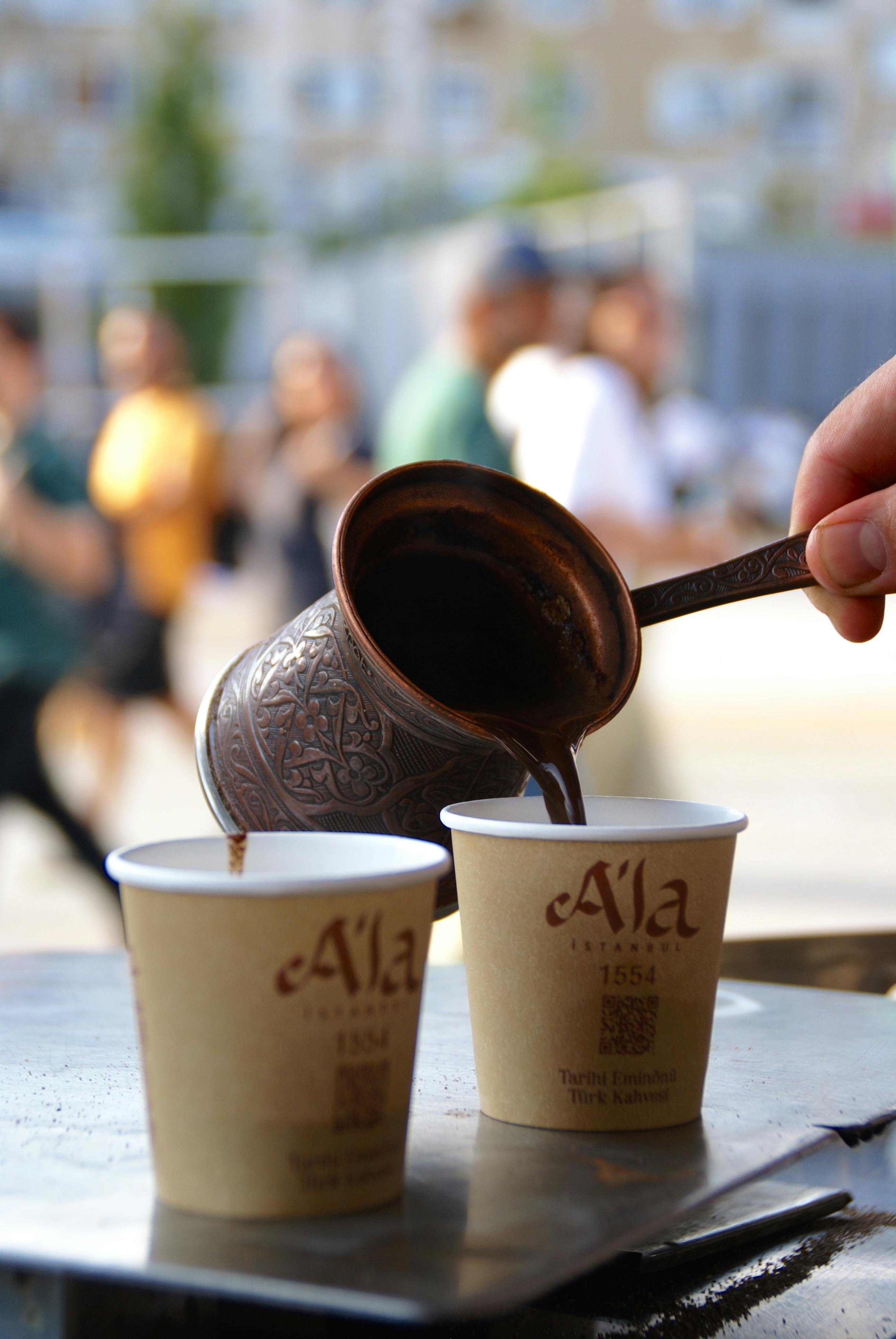
That’s the standard. No drama.
Core Benefits and Why It Matters
The best coffee shops matter because they preserve craft in a world that likes shortcuts. They make a daily habit feel special without turning it into a circus. Here’s the kicker: luxury in coffee is not about gold spoons or velvet banquettes. It is about competence, consistency, and restraint.
- Better sourcing: High-end cafés often buy traceable, carefully processed beans from respected farms and cooperatives. That means cleaner flavor and less bitterness.
- More precise brewing: Good grinders, disciplined ratios, and calibrated water temperature produce a cup that tastes deliberate rather than accidental.
- Service that knows its place: The best staff are present, informed, and unfussy. They explain without lecturing. Why is that so rare?
- Atmosphere with purpose: Interior design can support the experience, but it should never cover up weak coffee. Style is not a substitute for skill.
- Connection to place: Great cafés shape neighborhoods. They become meeting spots, reading rooms, working spaces, and markers of local identity.
A lot of luxury marketing is pretentious nonsense. Still, some of it contains a grain of truth. When a café invests in training, equipment, and sourcing, it is making a claim about value that goes beyond spectacle. That is worth respecting.
I’ve seen cafés where the décor cost a fortune and the espresso tasted like wet cardboard. I’ve also seen modest counters produce drinks with astonishing clarity. The pattern is obvious once you stop falling for shiny surfaces. Use your senses, not the menu copy.
The importance of premium coffee spaces also shows up in travel. A great café can anchor a city block the way a fine restaurant can anchor an evening. In places like Tokyo, Melbourne, Copenhagen, and Seoul, serious coffee bars have become cultural signposts, not merely pit stops. Travelers who care about quality often plan around them, alongside the city’s top dining and hospitality benchmarks.
Luxury, in the healthy sense, is ordered pleasure. It does not shout. It serves.
How to Choose a Truly Great Coffee Shop
Choosing a great coffee shop is simple if you stop pretending that ambiance is the whole story. It isn’t. The best method is to inspect the basics first, then let the mood confirm the evidence. Sounds obvious. Most people still get it wrong.
- Check the roast dates and bean sourcing
Freshness matters, but not in a naive way. A roast that is too fresh can taste sharp and unsettled, while stale beans taste flat and dusty. Serious cafés usually tell you where the beans came from, who roasted them, and sometimes how they were processed. - Order a black coffee first
I always start with espresso or filter. Milk can hide sins. Sugar can smother them. If the café can’t make a clean black coffee, there is no reason to trust the rest of the menu. - Look at the grinders and machines
Clean equipment suggests discipline. Sloppy equipment suggests the opposite. Yes, the machine can be a showpiece, but the grinder is usually where quality lives or dies. - Watch how the staff work
The best baristas move with quiet confidence. No fuss, no theatrics, no fake “we’re a family” nonsense. They measure, time, taste, and adjust. That’s craft. - Taste the milk texture and balance
In cappuccinos and flat whites, milk should be silky, not frothy like bath soap. The coffee should still taste like coffee. Amazing how often that gets ruined. - Assess the room honestly
Comfortable seating, natural light, good acoustics, and a sensible layout matter. But a beautiful room cannot redeem poor extraction. At best, it can soften the blow. - Notice whether the café respects time
A strong café understands pacing. Not every drink should arrive instantly, but the service should feel orderly. Sloppiness is not charm. - Trust your palate after three visits, not one
One great cup can be luck. Repeated consistency is evidence. I trust pattern more than theater.
The best selection process is also a form of stewardship. We are not obliged to treat every expensive thing as excellent. If anything, prudence demands the opposite. Good taste is discernment, not surrender.
For travelers building a coffee-centered itinerary, it helps to pair café stops with broader premium experiences. If you care about design, look at neighborhoods with strong architecture and independent retail. If you care about hotels, choose properties that understand breakfast properly. A bad hotel breakfast is a small tragedy.

And yes, the spoon matters.
Comparison Table: Specialty Coffee Shop vs. Standard Chain Café
| Factor | Specialty Coffee Shop | Standard Chain Café |
|---|
| Bean sourcing | Transparent, often single-origin or carefully blended | Usually broad commercial sourcing |
| Roast freshness | Typically tighter control and smaller batches | Often longer inventory cycles |
| Brewing precision | High attention to grind, ratio, water, and time | More standardized, less individualized |
| Flavor clarity | Clean, layered, origin-driven | Predictable, often flatter |
| Barista skill | Often trained in extraction and service | Varies widely, process-driven |
| Atmosphere | Considered, design-led, often quieter | Functional, busy, highly standardized |
| Price | Higher, but tied to craft | Lower or mid-range, driven by volume |
| Experience | Distinctive and local | Convenient and familiar |
The comparison is not subtle. Specialty coffee shops usually win on quality, while chains win on convenience and predictability. That is the honest answer.
But the biggest competitor to a great coffee shop is not the chain. It is bad habit. People keep returning to mediocre places because they are close, easy, and familiar. Fair enough. Yet if you want coffee that actually tastes like coffee, you have to care enough to notice what you are drinking.
For a fuller look at premium travel and lifestyle standards, read more on Condé Nast Traveler and Tatler, both of which regularly cover high-end hospitality with useful, if sometimes self-regarding, seriousness.
Common Mistakes to Avoid
Most people evaluate coffee shops badly. They chase novelty, confuse decor for quality, and accept mediocre drinks because the place looks expensive. Let’s be real: humans do this constantly.
- Mistaking branding for craft: A polished logo does not improve extraction. A velvet stool does not fix stale beans.
- Ignoring freshness: Coffee ages quickly once roasted. A café with old stock can still look elite and taste like regret.
- Ordering only sweet drinks: If every drink is buried under syrup, you are not tasting the café’s skill. You are tasting sugar.
- Assuming high prices equal high quality: Sometimes they do. Often they do not. Luxury markup is common; excellence is not.
- Overvaluing social media appeal: A photogenic cup is not proof of competence. Instagram has ruined more good taste than it has saved.
- Skipping the basics: Water, grinder, and barista training matter more than any slogan about “community.”
- Treating atmosphere as the product: A café can be beautiful and still bad. Good design is a support act, not the main event.
This is where a little skepticism helps. The coffee world loves jargon. People toss around words like “terroir,” “mouthfeel,” and “transparency” as if vocabulary were a substitute for skill. It isn’t. A serious café can explain itself plainly.
There is also a deeper mistake: treating luxury as self-indulgence alone. That is too thin. A well-run café rewards work, gives beauty a practical form, and teaches patience. Those are decent things. They reflect an older wisdom that human labor can be noble when done well.
If you want a reliable sign that a café knows what it is doing, ask for a recommendation. A good barista will not push the most expensive drink. They will point you toward what is tasting best that day. That simple act reveals a lot.
Frequently Asked Questions
What makes a coffee shop one of the best in the world?
A top coffee shop combines excellent beans, skilled brewing, fresh equipment, and thoughtful service. The room matters, but the cup matters more. If the café gets both right, it earns attention.
Are expensive coffee shops always better?
No. Price often reflects rent, branding, or décor. Sometimes it reflects real craft. You need to taste the coffee and watch the operation. Anything else is guesswork.
What coffee drinks should I order to judge a café?
Start with espresso or a pour-over, then try a milk drink such as a cappuccino. That gives you a clear read on extraction, balance, and milk texture. Sweet drinks can come later, if at all.
Do coffee shops matter in luxury travel?
Absolutely. Great cafés are part of a city’s cultural texture, and they often reveal more about local taste than tourist traps do. For many travelers, a serious café is as memorable as a museum or boutique hotel.
Final Thought
The best coffee shops are modest in the right way. They do not pretend that a cup of coffee is salvation, and they do not insult you by wrapping mediocrity in polished language. They simply do the work, well and with care. That is enough to matter.
I’ve always thought the finest luxury experiences have a moral edge to them, even when nobody says so out loud. They respect labor. They respect material. They respect time. And if they are any good at all, they remind us that beauty is not just decoration; it is order made visible, the sort of thing that rewards attention and humility. Coffee, done properly, fits that pattern neatly.
So yes, chase the world’s best coffee shops. Travel for them, if you like. But do not be fooled by hype. Choose the places where the craft is obvious, the service is calm, and the cup tastes as though someone cared enough to get it right. That is the real luxury.