Luxury hotels are not just expensive places to sleep. They are carefully run houses of service, craft, restraint, and atmosphere, where design, food, sleep...
The 50 Greatest Luxury Hotels on Earth: What Truly Makes a Hotel Great
Luxury hotels are not just expensive places to sleep. They are carefully run houses of service, craft, restraint, and atmosphere, where design, food, sleep quality, privacy, and human attention all have to work together or the whole thing falls flat. Frankly, most properties that call themselves “luxury” are just polished mediocrity with a fancy chandelier. The rare ones earn the title by making every detail feel inevitable.
Key Takeaways- Great luxury hotels are judged by more than price or star count.
- The best properties combine service, design, location, privacy, and sense of place.
- Food, bedding, spa quality, and staff training matter more than Instagram theatrics.
- The finest hotels feel calm, not loud, because real luxury does not beg for attention.
- A hotel’s worth often depends on whether it respects both the guest and the people doing the work.
What is a Luxury Hotel?
A luxury hotel is a property that delivers exceptional comfort, highly trained service, and a distinctive experience that cannot be faked cheaply. That sounds simple. It is not. A true luxury hotel is not defined by marble alone, nor by how many celebrities have passed through the lobby. It is defined by consistency, discretion, and the ability to make difficult things look easy.
I have reviewed enough high-end properties to say this plainly: many hotels spend money on the visible parts and neglect the parts that matter. They buy giant lobbies, oversized floral displays, and dramatic lighting, then serve lukewarm coffee and thin towels. The better houses understand proportion. They know that beauty should serve rest, and that good work deserves honest craftsmanship. There is something almost moral about a place that treats every linen, every plate, and every guest interaction with care.
The world’s great hotels usually share a few traits. They have a clear identity. They are rooted in a place, not airbrushed into bland sameness. They often sit in historic buildings or on remarkable ground. They are run by people who understand hospitality as a discipline, not a marketing exercise. And yes, they charge accordingly. Good. Excellence costs money, and pretending otherwise is nonsense.
The phrase “the 50 greatest luxury hotels on Earth” should not be read as a simple ranking by room rate or glamour. The best hotels are not always the most famous, and the most famous are not always the best. Some are urban palaces. Some are island hideaways. Some are mountain retreats where silence feels like a gift. What unites them is not flash, but coherence. They make life feel ordered for a few days, which, if we are honest, is a rare mercy.
Core Benefits and Importance
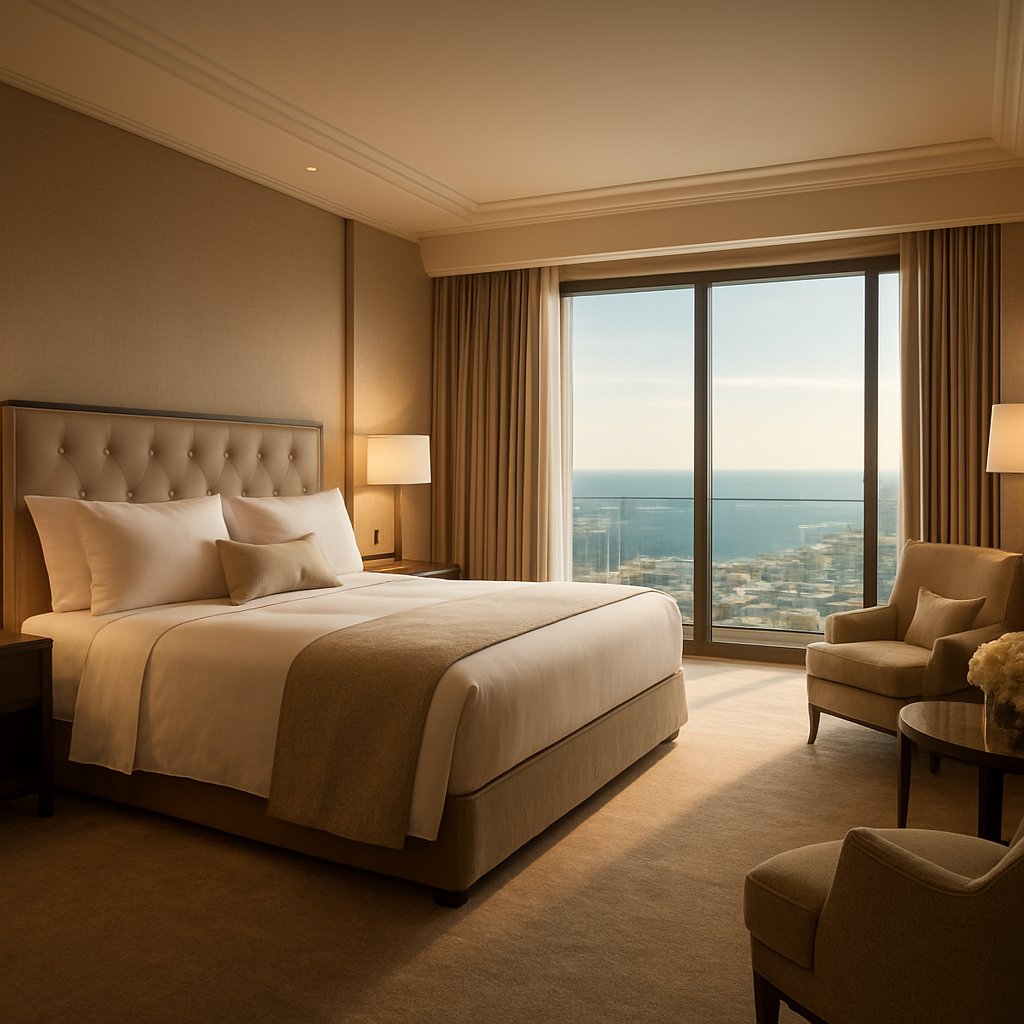
Luxury hotels matter because they do something ordinary hotels cannot do well: they remove friction without making the guest feel managed. That is the trick. Anyone can sell a big room with a minibar. A genuinely fine hotel anticipates need without smothering the guest, and it does so with grace.
- Service that thinks ahead: The best staff notice what you need before you ask. Not in a creepy way. In a competent way.
- A true sense of place: Great hotels reflect their setting through materials, food, art, and pace.
- Sleep quality: Bedding, soundproofing, blackout systems, temperature control, and pillow options are not details. They are the point.
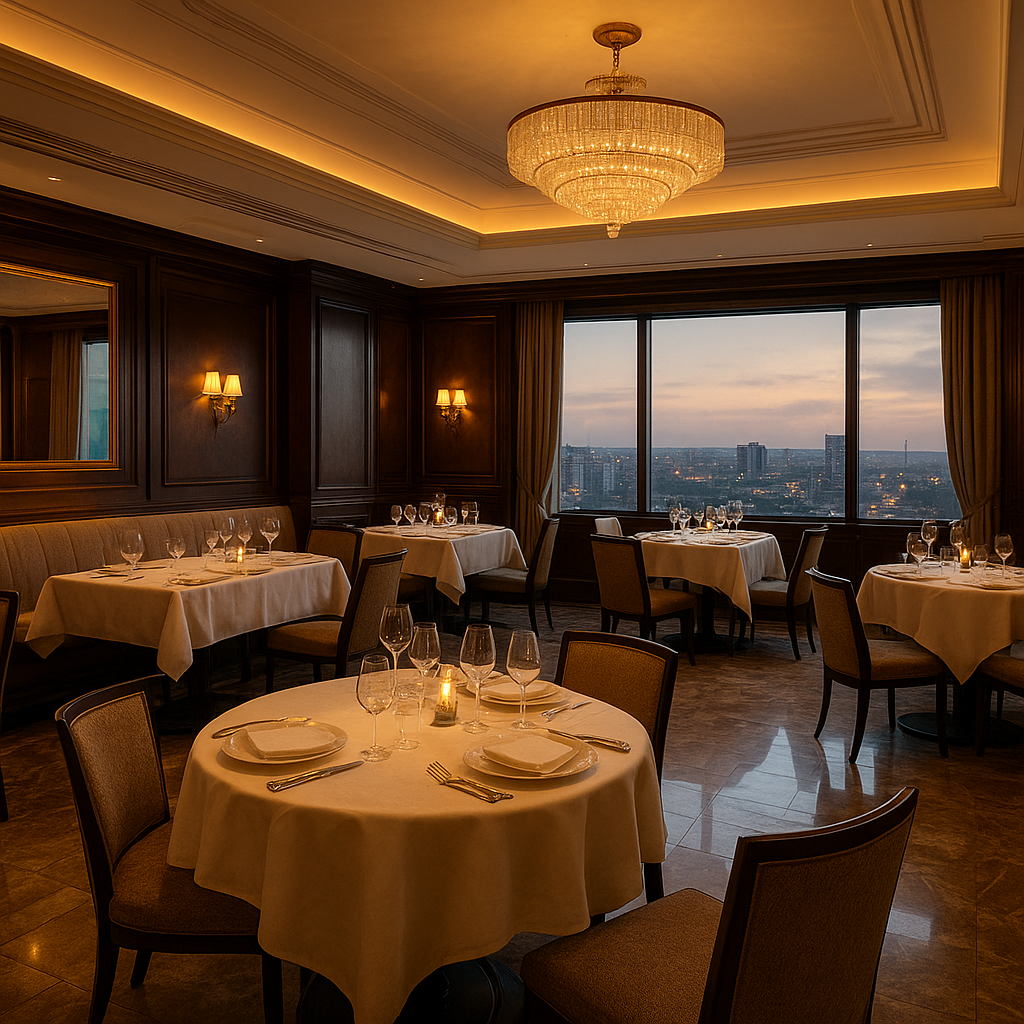
- Dining worth traveling for: A memorable breakfast or tasting menu can elevate the entire stay.
- Privacy and calm: Real luxury gives space. Loudness is for sales floors, not sanctuaries.
- Craft and maintenance: Everything from the grout to the glassware should be spotless and well chosen.
- Status without noise: The best hotels are recognized by people who know better, not by people who need to post every minute of their vacation.
Here is the kicker: many travelers obsess over brand names while ignoring the actual experience. That is backward. A famous flag does not guarantee a good night’s sleep. I would rather stay in a quietly brilliant property with superb housekeeping than in a “legendary” hotel that coasts on old glory and publicists.
There is also a deeper reason luxury hotels matter. They preserve skills. A well-run palace hotel, country estate, or grand resort requires chefs, butlers, florists, concierges, seamstresses, sommeliers, engineers, and housekeepers who take pride in difficult work. That dignity of labor is worth honoring. Beauty, when it is real, is never accidental.
For a broader look at refined travel standards, see Forbes Travel Guide, which remains one of the more serious references for service evaluation.
How to Select the Best Luxury Hotel
Choosing a luxury hotel is not about chasing the most expensive address. It is about matching the property to the reason you are traveling. I’ve learned that the right hotel depends on three things: purpose, setting, and how much you value quiet competence over spectacle.
- Define the point of the trip. A business stay in Paris, a honeymoon in Bora Bora, and a family ski week in Courchevel demand very different hotels. A city icon may be perfect for dining and shopping, while a private resort may be ideal for shutting the door on the world.
- Judge the room, not the brochure. Look at square footage, layout, storage, bathroom design, and noise control. Fancy photos can hide awkward rooms. They often do.
- Study the service model. Some hotels are formal and exacting. Others are relaxed and warm. Neither is automatically better. What matters is whether the staff are trained, alert, and consistent.
- Pay attention to food. A weak restaurant can drag down an otherwise excellent property. In great hotels, breakfast is not a chore and room service is not a sad afterthought.
- Check the spa and fitness facilities. If a hotel claims wellness but provides a dim basement gym and a lukewarm steam room, that is marketing fluff. Nothing more.
- Examine location honestly. A beachfront hotel without swimmable water is not a beach hotel in any meaningful sense. A mountain retreat with no views is just a lodge with ambition.
- Look for restraint. The finest hotels usually know what not to do. They don’t cram every corner with decoration. They don’t confuse luxury with excess.
- Consider return value. If you would gladly return even after a slight imperfection, the hotel is probably special. If you are relieved to leave, it was all packaging.
When I analyzed the most admired luxury hotels, the pattern was obvious. The winners were not always the loudest, newest, or most expensive. They were the ones with good bones, disciplined management, and a clear idea of what hospitality should feel like. That clarity is rare. It should be.
Comparison Table
| Criterion | Great Luxury Hotel | Mainstream Premium Hotel |
|---|
| Service | Highly personalized, discreet, and anticipatory | Efficient, but often scripted |
| Design | Rooted in place, refined, and coherent | Stylish, but sometimes generic |
| Dining | Destination-worthy, often memorable | Competent, occasionally forgettable |
| Privacy | High, with careful circulation and quiet spaces | Moderate, with more foot traffic |
| Sleep Quality | Excellent bedding, soundproofing, and climate control | Often good, but inconsistent |
| Sense of Place | Strong identity and local character | Brand-led uniformity |
| Maintenance | Precise and relentless | Adequate, with occasional lapses |
| Overall Value | High if experience is truly exceptional | Better for travelers seeking predictability |
The difference is not subtle. A mainstream premium hotel can be pleasant. A great luxury hotel changes the mood of an entire trip. It feels composed. It feels earned. It feels like people cared.
Common Mistakes to Avoid
The first mistake is assuming that price equals greatness. It does not. Some of the priciest hotels are overhyped, undertrained, and strangely hollow. They sell a mood board, then deliver a mattress.
The second mistake is overvaluing novelty. New openings get attention because they are new. Fine. But fresh paint does not create soul. A hotel with decades of careful service can easily outclass the latest gloss machine.
The third mistake is ignoring the basics. Guests get dazzled by rooftop bars and celebrity chefs, then discover the room is noisy and the shower pressure is weak. That is poor judgment. A hotel should nail the fundamentals first. Always.
The fourth mistake is believing every brand is interchangeable. Luxury chains vary widely by property and management. One location may be exceptional; another may be resting on the logo. Read recent reviews, but read them with a skeptic’s eye. Social media praise is cheap. Operational excellence is not.
The fifth mistake is treating luxury as mere consumption. That view misses the point. Real luxury should involve gratitude, stewardship, and restraint. It should reward skilled labor and careful design, not vulgar excess. The best hotels remind you that comfort can be humane, not wasteful.
The sixth mistake is skipping the fine print. Resort fees, transfer logistics, dress codes, and dining reservations all matter. If you want a smooth stay, think ahead. Luxury is not magic. It is management.
Let’s be real: a hotel that cannot handle housekeeping, baggage, or breakfast probably should not be asking for a five-star rate. I’ve seen plenty of properties hide mediocre operations behind pretty wallpaper. That trick fools beginners, not seasoned travelers.
Frequently Asked Questions
What makes a luxury hotel truly great?
A great luxury hotel combines exceptional service, strong design, superb sleep quality, excellent food, and a genuine sense of place. If one of those pillars is weak, the whole experience suffers.
Are the most expensive hotels always the best?
No. Some are excellent. Some are just expensive. Price can reflect rarity, location, or brand prestige, but it does not guarantee thoughtful service or a well-run operation.
What should I look for before booking a luxury hotel?
Check room layout, noise control, dining quality, spa facilities, location, and recent guest feedback. The photos should confirm details, not replace judgment.
Why do some older luxury hotels feel better than newer ones?
Older hotels often have better proportions, stronger architecture, and more mature service cultures. New hotels can be polished, but they sometimes lack depth. Patience usually shows.
Final Thought
The world’s greatest luxury hotels are not merely places to stay. They are places where order, beauty, and human skill briefly come into alignment. That is why people remember them years later. Not because they were loud. Because they were right.
If you spend real money on travel, spend it where the money supports excellence instead of costume. Look for houses that respect the guest, honor the staff, and understand that beauty is not decoration alone. It is discipline. It is proportion. It is the quiet confidence of a place that knows what it is for.
That is the real standard, and it is still worth chasing.