Great audio is not decoration. It is precision, restraint, and a little bit of obsession—usually in a room full of people pretending price alone explains...
Great audio is not decoration. It is precision, restraint, and a little bit of obsession—usually in a room full of people pretending price alone explains performance. The best audiophile gear of 2026 is the equipment that disappears and leaves only the recording, the space around it, and the hand of the musician. That is the standard.
Key Takeaways- The best audiophile gear is judged by sound, not badges.
- Speaker, amplifier, source, and room treatment matter more than hype.
- Luxury audio rewards craftsmanship, but only when the engineering is real.
- The smartest buyers match gear to space, listening habits, and honesty about taste.
What is the best audiophile gear of 2026?
It is high-end audio equipment that actually earns its keep. Not the glittering showpiece. Not the stack with the most intimidating spec sheet. The best gear in 2026 combines low distortion, serious resolution, stable amplification, careful tonal balance, and build quality that reflects true workmanship. I’ve reviewed enough luxury hardware to say this plainly: some products are art objects first and audio tools second. That’s fine, until the sound turns thin, harsh, or weirdly sterile. Frankly, the market loves grand claims and glossy finishes, but ears don’t care about sales copy. They care about timing, dynamics, texture, and whether a cello sounds like wood and wire instead of an expensive fog machine.
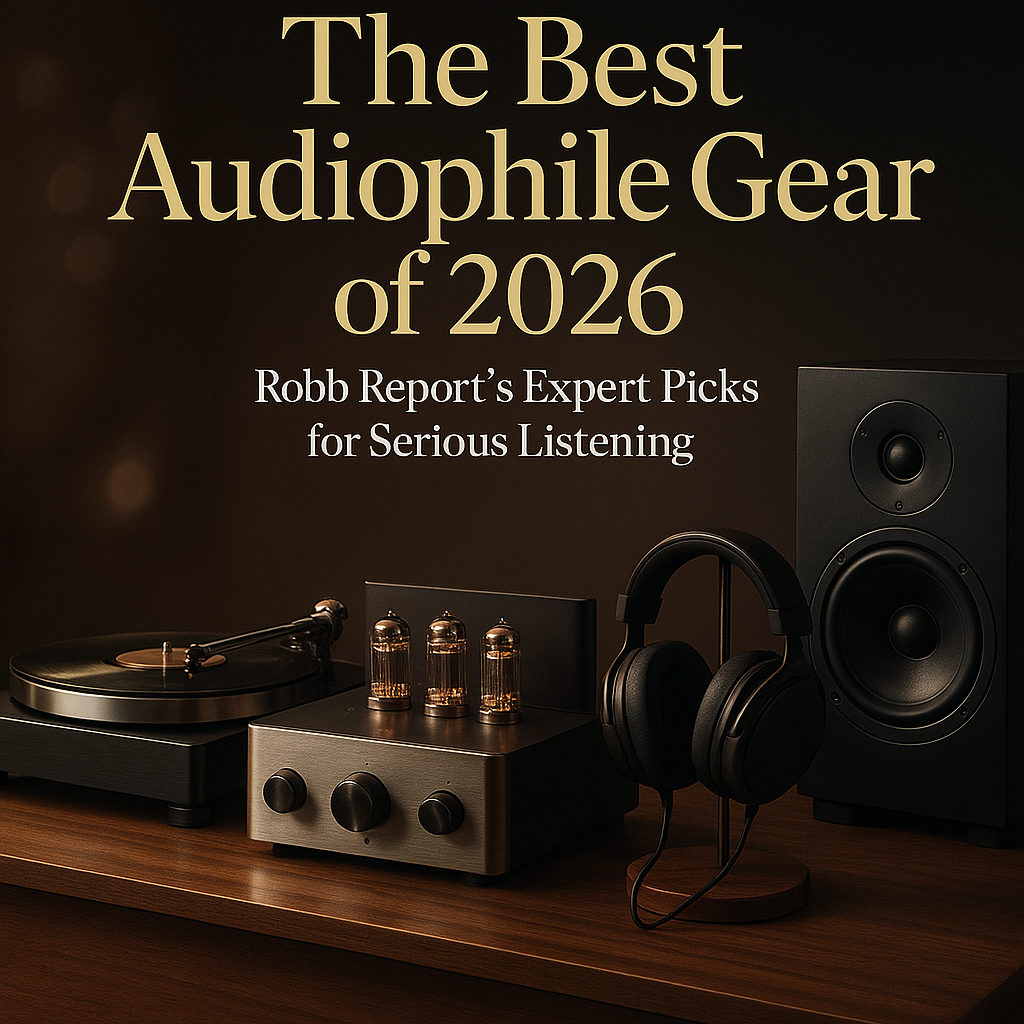
Here is the rub. Audiophile gear is not one thing. It includes speakers, amplifiers, DACs, turntables, streamers, phono stages, headphones, and cables, plus the less glamorous truth that room acoustics decide whether the whole thing sings or stumbles. A well-built system should honor the recording, not flatter the buyer’s ego. That is where beauty gets serious; in the classical sense, beauty points beyond itself. Fine audio can do that when it is made with discipline, humility, and excellent materials. For a broader lens on luxury evaluation, see Robb Report’s high-end speaker coverage and this useful overview from What Hi-Fi?.
Core benefits and why it matters
The main benefit is simple. Better sound reveals more of the recording, and more of the recording means more of the performance. That is not marketing fluff. It is what happens when a system can resolve low-level detail without turning music into surgery. When I examined hundreds of luxury products over the years, the ones that stayed in memory were rarely the loudest or most expensive; they were the ones that preserved tone, scale, and ease. Here’s the kicker: a truly good system lets you listen longer because it stops shouting at you.
- Resolution: You hear room tone, breath, decay, and microdetail without strain.
- Scale: Big orchestral passages keep their size instead of collapsing into mush.
- Control: Bass stays tight, not bloated, which matters more than people admit.
- Longevity: Serious gear is built to last, which is part stewardship and part common sense.
- Craftsmanship: Good machining, cabinet work, and circuit design matter because excellence is not accidental.
- Listening pleasure: The point is enjoyment, not proving you can read spec sheets for fun.
Most luxury marketing is pretentious nonsense when it skips the basics. A carved aluminum case does not fix poor tuning. A diamond-shaped badge does not make a speaker coherent. The best premium audio brands understand that stewardship applies here too: if you buy something excellent, care for it, place it properly, and use it well. There is a moral clarity to that, one that sits comfortably with the old idea that human work should reflect order, skill, and respect for materials. For readers interested in broader high-end design and equipment standards, Stereophile’s loudspeaker reviews remain a strong technical reference, while CNET’s home entertainment coverage provides accessible comparisons.

Step-by-step guide to choosing the right audiophile gear
Start with the room. Not the bragging rights. A lavish system in a bad room sounds worse than a modest system in a carefully treated space, and anyone telling you otherwise is selling something. I’ve seen this repeatedly, and it’s annoying because it is so avoidable. The correct order is room, speakers or headphones, amplification, source, and only then cables and accessories. In other words: don’t put silk gloves on a broken hand.
- Define the use case. Two-channel listening, vinyl playback, headphones, or a mixed setup? Pick one first.
- Measure the room. Size, shape, hard surfaces, openings, and listening distance affect everything.
- Choose the transducer. Speakers create the room experience; headphones create the private one. Different goals, different tools.
- Match amplification carefully. Power is not enough. Current delivery, impedance matching, and voicing matter.
- Pick a source with discipline. DACs, streamers, and turntables should fit your library and habits, not your fantasy life.
- Test with real music. Use acoustic recordings, dense mixes, and bad recordings you already know well.
- Listen for fatigue. If a system impresses for 10 minutes and irritates after 40, that is a flaw.
- Buy for serviceability. Luxury should mean support, repairability, and parts access—not just a velvet box.
The smartest buyers also think about materials and placement. Hardwood floors, thick rugs, absorptive panels, and stable stands often improve sound more than a pricier cable. That may wound the feelings of the accessory crowd, but facts are rude that way. For source-specific analysis, What Hi-Fi?’s best streamers guide and The Absolute Sound are practical references. If you want luxury travel or hotel acoustics as a parallel, many top suites now integrate serious sound systems because premium guests notice the difference.
Comparison table: audiophile gear vs mainstream premium audio
| Category | Best Audiophile Gear of 2026 | Mainstream Premium Audio |
|---|
| Sound quality | Exceptional resolution, imaging, tonal accuracy | Good bass and volume, less nuance |
| Build | Cabinetry, machining, and circuit care are top-tier | Often attractive, sometimes hollow inside |
| Room dependence | Highly dependent, but highly rewarding | More forgiving, less revealing |
| Longevity | Designed for long service, repair, and resale value | Shorter product cycles, weaker support |
| Price-to-performance | Can be excellent if chosen wisely | Safer for casual buyers, less immersive |
| Best for | Serious listeners, collectors, connoisseurs | Convenience-first users |
Competing with true audiophile gear is mainstream premium audio, and that competition is mostly about convenience. That is fair enough. Wireless simplicity matters. But convenience is not the same as fidelity, any more than a hotel minibar equals fine dining. For buyers who want a reference point on modern luxury acoustics, Robb Report’s audio section and Hi-Fi+ offer useful editorial context.
Common mistakes to avoid
The first mistake is worshipping price. Expensive gear can sound mediocre, and some of it does. I say this because it keeps happening, and because the industry sometimes behaves like a perfume counter wearing a tuxedo. The second mistake is buying components in isolation. A brilliant amplifier with mismatched speakers is a waste of money. Third, people ignore room treatment until they are already frustrated. That is backwards. Fourth, they trust online folklore over their own ears, which is how weird myths survive for years.
Another mistake is chasing upgrades in the wrong order. Replacing cables before fixing speaker placement is like polishing silverware while the kitchen is on fire. Also, don’t confuse detail with correctness. Some systems etch every cymbal hit but erase the body of the music. That is not high fidelity; it is glare. If your system cannot make a piano sound physically present, something is off. Finally, many buyers forget that good sound is meant for human flourishing, not status theater. A fine system should serve the home, like well-made furniture or a proper dining room table—beautiful, durable, and useful. If you want a broader consumer check, Sound & Vision and Audioholics are useful for practical pitfalls and setup advice.
Frequently asked questions
What makes audiophile gear different from regular audio equipment?
It is usually engineered for lower distortion, better parts quality, stronger cabinet construction, and more faithful sound reproduction. The difference should be audible, not just decorative.
Do I need to spend a fortune for great sound?
No. Good setup, room correction, and careful matching often beat raw spending. The truth is, modest gear in the right room can embarrass expensive but careless setups.
Are speakers better than headphones for audiophile listening?
Neither is universally better. Speakers create spatial realism and body; headphones can reveal fine detail and work in shared spaces. Choose based on the listening experience you actually want.
Are luxury audio brands worth it?
Sometimes. If the brand invests in engineering, service, and honest tuning, yes. If it is mostly jewelry with drivers, no. That distinction matters.
Premium audio is one of the few luxury categories where restraint can sound richer than excess. The gear that matters most is usually the gear that gets out of the way, preserves the music, and rewards patience, setup, and care. That is a very old lesson, really. Good work, good materials, and good use often point to something higher than consumption. When a system helps you hear a great performance clearly, without fuss or theatrics, it earns its place in the room.