Luxury coffee shops are not just about caffeine. They are about ritual, design, sourcing, service, and the rare feeling that a place respects both craft and...
The Best Coffee Shops in the World: What Makes a Truly Luxurious Dine-In Experience
Luxury coffee shops are not just about caffeine. They are about ritual, design, sourcing, service, and the rare feeling that a place respects both craft and time. The best cafes in the world make a simple cup feel deliberate. They also remind us that excellence, when done properly, is not loud.
Key Takeaways:- Luxury coffee shops succeed through craft, not gimmicks.
- Design, sourcing, and service matter more than hype.
- The strongest cafes treat coffee like fine dining.
- Premium experiences reward patience and restraint.
- Beauty and workmanship still count, which is refreshing.
What is a luxury coffee shop? It is a cafe that takes bean quality, brewing precision, hospitality, and atmosphere seriously enough to matter, then refuses to hide behind branding. I have reviewed enough high-end food and drink experiences to say this plainly: most places sell a story, but the good ones sell proof. Proof in the cup. Proof in the room. Proof in the way a barista explains a wash process, or a server brings water without making a performance of it.
The better cafes often borrow the discipline of fine dining and the quiet standards of luxury hotels. That includes calibrated grinders, transparent sourcing, strong pastry programs, attentive staff, and interiors that respect the guest’s attention span. The best spots, like the places listed in our most luxurious restaurants guide, understand that a premium experience is cumulative. One good detail does not make luxury. A dozen disciplined details do.
If you want a broader sense of how city culture shapes taste, see our best foodie cities in the world roundup. And if you care about sweets after coffee, the best chocolatiers in the world article shows the same principle at work: craftsmanship beats flash every time.
Frankly, the whole thing is less mysterious than marketers pretend. Great coffee shops are built on standards, not slogans. Do they source well? Do they brew correctly? Does the room feel considered? Do you leave better than when you walked in? That is the actual test.
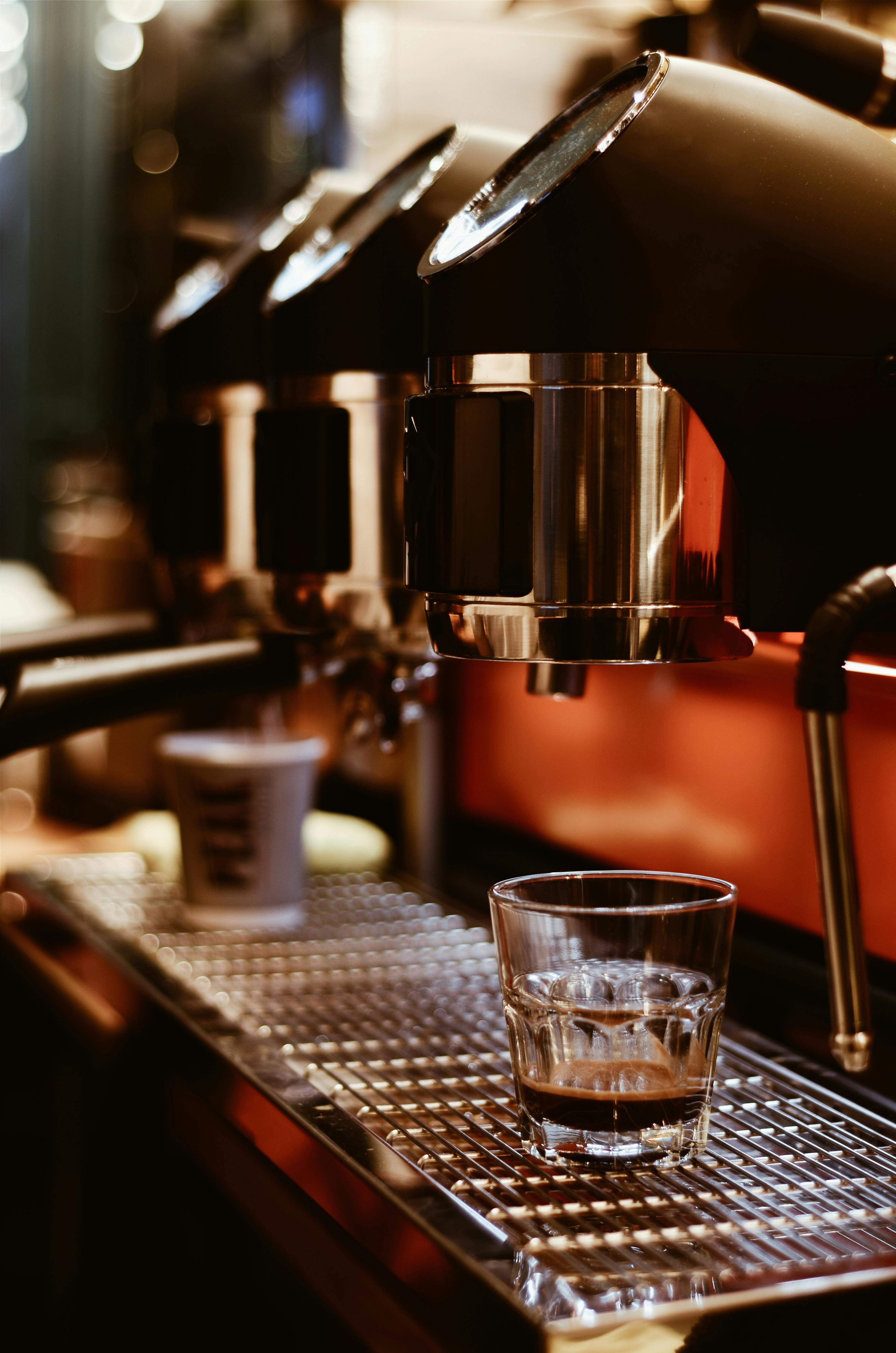
What is a luxury coffee shop?
A luxury coffee shop is a place where the product, the service, and the setting all pull in the same direction. Not many do. Most places get one piece right and the others wrong, which is why so-called premium cafes often feel like expensive waiting rooms with decent espresso.
The real standard is simple. Coffee should be sourced from credible producers, roasted with restraint, and brewed with technical care, whether that means pour-over, espresso, siphon, or cold brew made with the right concentration and timing. Service should be informed, not smug. Space should support lingering, conversation, or focused work without turning into a chaos machine. Good lighting matters. So does acoustics. So does the absence of fake urgency.
Luxury in this category is not always about price. It is about precision and proportion. A room can be modest and still feel luxurious if every choice feels intentional. I have seen tiny cafes outperform larger “design-led” venues simply because they respected the customer’s time and palate. That is not a miracle. That is competence.
There is also a moral dimension here, though no one likes saying it aloud. Fine coffee, like good bread or well-made wine, reflects stewardship: the patient care of growers, roasters, and baristas who treat creation with seriousness. That kind of excellence is beautiful because it is ordered, not wasteful. You do not need incense and marble to make that point. A clean extraction and a well-made cup will do.
For comparison, look at how a serious world-class coffee shop guide is built. The memorable places are not memorable because they are noisy about it. They are memorable because they are exact.

Core benefits and importance
Luxury coffee shops matter for a few reasons, and none of them are silly if done honestly. The first is consistency. The second is culture. The third is the rare pleasure of being in a space where the people running it actually care.
- Better coffee quality. Premium cafes usually invest in better beans, better roasting, and tighter brew control. That means cleaner flavor, more transparency, and fewer excuses.
- Serious hospitality. Good service is not fake warmth. It is competence, memory, and timing. A guest should feel seen without being hovered over. That is harder than it sounds.
- Design with purpose. The best rooms are not overdesigned. They are arranged so the eye can rest. Soft acoustics, natural materials, and good circulation make a bigger difference than most people admit.
- Cultural value. A first-rate cafe often becomes a local meeting point, a place for writers, founders, travelers, and families. It contributes to a city’s character instead of just extracting money from it.
- Ritual and pause. A good cup can force a decent pause in a foolishly rushed day. That sounds small. It isn’t.
Here’s the kicker: most luxury branding overstates itself. The best operators understate theirs. They do not need to tell you the milk came from a heroic cow or that the tiles were hand-cut by someone named Luca. They simply make sure the espresso tastes alive.
When I examined upscale cafes across major cities, the places worth revisiting had a common trait: restraint. They did not chase novelty for its own sake. They focused on the parts that age well. That lines up with a basic truth older than marketing departments: beauty should serve use, and use should respect beauty.
There is also a travel benefit. A great cafe can anchor a neighborhood the way a strong hotel lobby can anchor a city stay. If you are planning an itinerary, pair your coffee stops with premium accommodations from our luxury hotels guide and a few destination pieces from our top luxury destinations coverage. That way, the coffee is part of the experience instead of a random caffeine errand.
Step-by-step guide to choosing the best coffee shop
Choosing a genuinely excellent coffee shop is not hard. It just requires you to stop falling for polished nonsense.
- Look at the sourcing. The menu should say where the beans come from, how they were processed, and ideally when they were roasted. Vague language is usually a bad sign. So is a menu that reads like a perfume ad.
- Check the brew list. A serious shop offers more than one mode of extraction. Espresso alone is fine, but pour-over, batch brew, and filter options tell you the operator understands nuance. If they only know how to make one thing, that is not mastery. That is a convenience store with confidence.
- Judge the room. Is it calm? Is the seating logical? Is the lighting flattering without being theatrical? Does the music force itself on you? Good design supports the cup. Bad design competes with it.
- Watch the staff. The best baristas do not perform intelligence. They possess it. They can explain a roast profile, calibrate a grinder, and answer a question without treating you like a nuisance.
- Taste before you trust the brand. I have seen famous names serve mediocre coffee because they were dining on reputation. The first sip tells you more than the logo ever will.
- Assess the pastry and food program. Luxury coffee shops often pair coffee with croissants, cakes, or light plates that are not afterthoughts. Weak pastry is a red flag. A cafe that cannot get butter, flour, and temperature right probably won’t nail extraction either.
- Ask whether the experience feels earned. Luxury should feel grounded in labor and skill, not arbitrary markup. That is where dignity of work enters the picture. Excellence costs money because someone had to do the work properly.
A practical trick helps. Compare a new cafe to the best venues in related categories, such as the most luxurious restaurants in the world. The logic is similar. Precision, service, and atmosphere matter more than decorative excess.
Let’s be real, the worst advice is “just go where the line is long.” Crowds can mean quality, but they can also mean trend-chasing. I would rather enter a quiet place with a serious grinder than a loud room selling social-media theater.
Comparison table: luxury coffee shop vs. standard coffee chain
A table helps. Numbers and traits cut through the nonsense.
| Category | Luxury Coffee Shop | Standard Coffee Chain |
|---|
| Bean sourcing | Transparent, origin-specific, often seasonal | Broad blends, limited disclosure |
| Brewing methods | Multiple precise methods | Usually standardized automations |
| Barista knowledge | Deep, technical, guest-facing | Basic operational training |
| Interior design | Intentional, calm, material-driven | Efficient, repetitive, high-traffic |
| Food program | Crafted pastries and thoughtful pairings | Packaged or heavily standardized items |
| Service style | Personalized but restrained | Fast, transactional |
| Price | Higher, but usually tied to quality | Lower or mid-range, but often less nuanced |
| Experience value | High for connoisseurs and travelers | Convenient, predictable |
The biggest competitor to a luxury coffee shop is not another cafe. It is convenience. Chains win on speed and ubiquity. Luxury shops win on quality and atmosphere. If you only want caffeine, the chain may be enough. If you want a memorable stop, the better cafe wins without apology.
For broader context, luxury hospitality works the same way. A polished hotel is not luxurious because it has more chandeliers. It is luxurious because the guest feels considered. That is the logic behind our luxury hotels guide and why premium travel often succeeds or fails in tiny details.
And yes, price matters. But price alone is a lousy proxy. I have seen overpriced coffee served in rooms with all the warmth of a municipal office. I have also seen modest spaces produce cups that outclass famous names. The market rewards showmanship too often. Taste, thankfully, still notices.
Common mistakes to avoid
People make the same errors over and over. It gets tedious.
- Confusing scarcity with quality. A hard-to-book cafe is not automatically good. Scarcity can be real, or it can be orchestrated. Everyone loves pretending a reservation system is a virtue. It usually isn’t.
- Chasing aesthetics only. Pretty interiors matter, but they do not fix sour espresso. If the coffee is weak, the wallpaper is just expensive camouflage.
- Ignoring service tone. Rudeness is not sophistication. Neither is aloofness. A luxury cafe should feel composed, not hostile.
- Assuming origin labels are enough. A famous region does not guarantee good roasting or brewing. Coffee is not magic dust.
- Overvaluing social media buzz. Online fame is often a very loud substitute for actual standards.
Here is the part most glossy articles skip: many “luxury” cafes are only expensive because they are trying to look important. That is not the same thing as being excellent. I’m skeptical for good reason. I’ve seen too many places use raw concrete, tiny menus, and linen napkins as a shield against criticism.
Let’s be honest, the customer is often part of the problem. We reward theatrics. We post the neon sign, the latte art, the imported cup, and ignore whether the coffee tastes balanced. That is backwards. Good craft should be noticed, but it should not need a parade.
Also, do not confuse “quiet” with “exclusive.” Some of the finest coffee shops are friendly, accessible, and modest. Their virtue is order, not snobbery. That is a healthier model, and closer to the old wisdom that good work is worth doing well for its own sake.
If you want a broader perspective on premium food culture, our best foodie cities in the world guide is a useful companion. Cities that care about flavor usually care about coffee too.
Frequently asked questions
What makes a coffee shop luxurious?
It is the combination of sourcing, brewing skill, service, design, and consistency. One fancy detail does not make it luxurious.
Are expensive coffee shops worth it?
Sometimes, yes. If the price reflects better beans, better labor, and a better environment, the premium is justified. If it is just branding, no.
What should I order at a high-end coffee shop?
Start with a black coffee or espresso-based drink to judge the extraction. If the shop is serious, the simplest order will reveal the most.
How do I find the best coffee shops when traveling?
Look for origin transparency, skilled staff, and local reputation beyond social media. Pair coffee stops with thoughtful hotel and dining choices for a better trip.
Final thought
Luxury, at its best, is not excess. It is order.
That sounds old-fashioned because it is, and because it still works. A great coffee shop respects the bean, the worker, and the guest. It wastes neither time nor effort. It does not scream for attention, because it does not need to. The cup carries the argument.
When I think about the best cafes in the world, I do not think first about price or hype. I think about whether the place honors craft, whether the room lets you breathe, and whether the experience feels human rather than engineered for clicks. That, frankly, is where the real luxury lives. Not in the logo. Not in the buzz. In the faithful attention to small things done well.
And that is worth seeking out, whether you are in a great capital city, a resort town, or a quiet side street with a polished grinder humming in the corner. Good coffee, made with care, reminds us that excellence is still possible.