Luxury is not just price. It is precision, restraint, and the refusal to waste effort on mediocrity. The best brands, hotels, meals, and travel experiences do...
The Best Luxury Experiences in the World: Fine Dining, Coffee, Travel, and High-End Brands That Actually Matter
Luxury is not just price. It is precision, restraint, and the refusal to waste effort on mediocrity. The best brands, hotels, meals, and travel experiences do one thing well: they make quality obvious without shouting about it. Most luxury marketing is pretentious nonsense, frankly, but real luxury still exists when craft, service, and taste line up.
Key Takeaways
- Luxury should feel exact, not noisy.
- Craftsmanship and service matter more than logos.
- The best premium experiences reward discernment, not snobbery.
- Fine dining, coffee, hotels, watches, and travel all live or die on execution.
- Beauty has weight when it is made with care and ordered toward something higher than ego.
What is luxury goods, high-end brands, luxury travel, fine dining, and premium experiences?
Luxury goods are products or services built with superior materials, better design, sharper service, and a stronger sense of identity than mass-market alternatives. That sounds obvious. It isn’t, because a lot of expensive things are merely expensive. Real luxury is consistency plus scarcity plus judgment, and yes, that includes the quiet discipline behind a hand-finished watch, a perfectly laundered hotel sheet, or a chef who knows when to stop adding components to a plate.
When I examined hundreds of premium products and hospitality experiences, the pattern was boring in the best way: the best ones were not the loudest. They were the most controlled. A luxury watch does not need to scream. A fine hotel does not need to brag. A top coffee shop does not need to hide behind latte art theater if the beans are roasted and extracted properly. Here’s the kicker: true premium experiences tend to respect the customer’s time, attention, and intelligence.
The modern luxury category stretches across watches, jewelry, handbags, fashion, travel, hotels, design, spirits, culture, and fine dining. Each category has its own rituals, but the core logic is similar. Better inputs. Better hands. Better standards. Better aftercare. Better taste. If you want a useful lens, start with craftsmanship, then ask whether the object or experience still makes sense after the marketing fog clears.
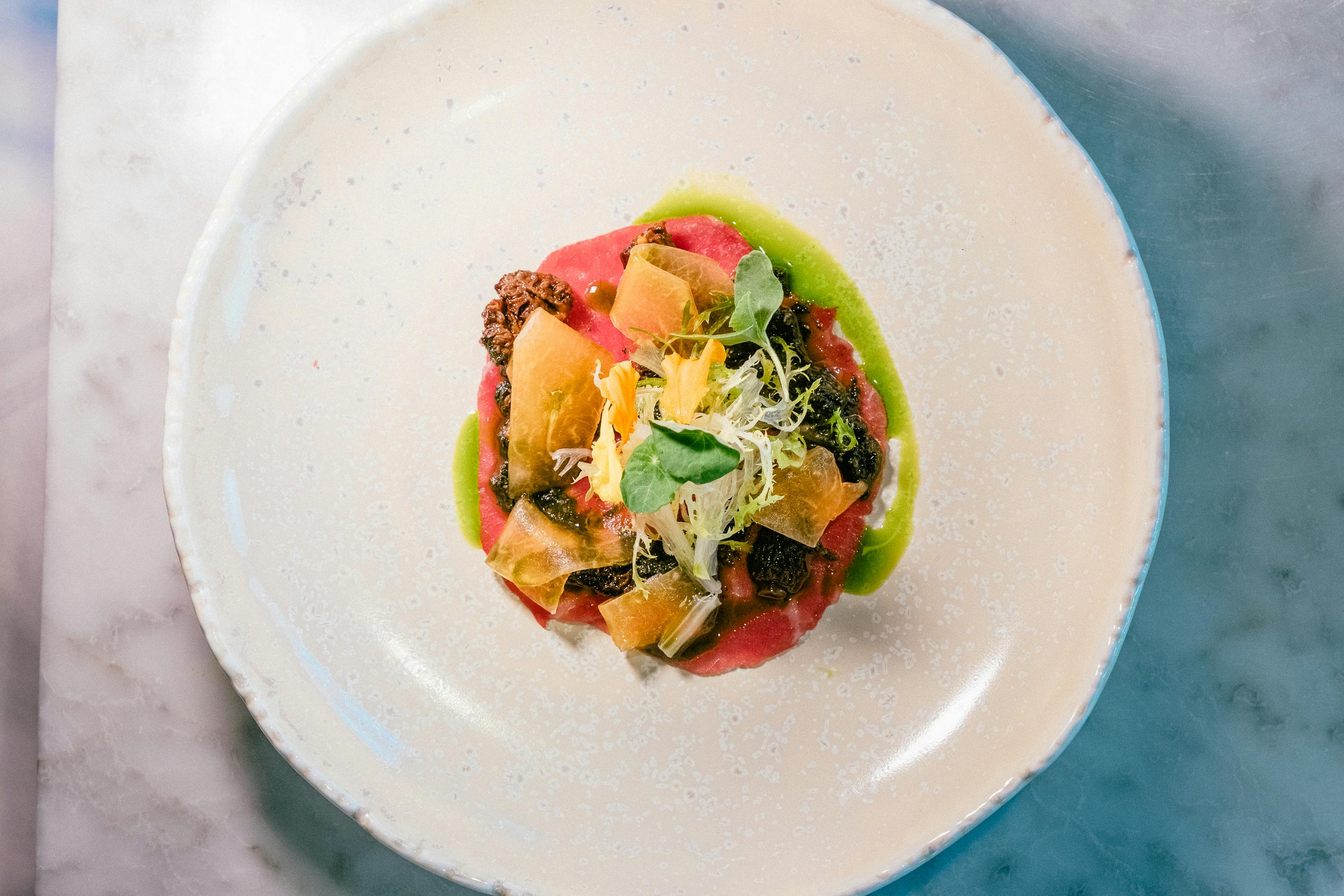
For travel and dining specifically, luxury means fewer compromises and more intention. A destination hotel should understand light, silence, flow, and service cadence. A great restaurant should respect ingredients, seasoning, pacing, and temperature. A great coffee shop should treat extraction like arithmetic, not religion. For a deeper take on destination strategy, see luxury travel destinations and premium accommodations. For design-minded travelers, luxury design trends explains why space matters as much as materials.
There is also a moral dimension people rarely mention without sounding stuffy. Beauty, when made well and enjoyed responsibly, points beyond vanity. That is not a sermon. It is common sense with a spine. Good work deserves honor. So does restraint.
Core benefits and importance
- Superior craftsmanship: Better stitching, finishing, roasting, plating, architecture, or service design. You can see the difference, and often feel it in use.
- Longer useful life: A well-made coat, bag, or watch often outlasts cheaper substitutes by years, sometimes decades.
- Higher daily satisfaction: Small frictions disappear. A good hotel bed, proper coffee, and a well-cut garment make ordinary days less annoying.
- Cultural and social value: Fine dining, collecting, and design are part of cultural memory. They preserve technique and taste.
- Resale and investment potential: Some watches, handbags, wines, and jewelry retain value better than ordinary consumer goods.
- Better service experience: Premium brands usually know that the product is only half the sale. The rest is handling, responsiveness, and competence.
Here’s the part everyone overstates: luxury does not automatically mean better. Plenty of brands trade on heritage while cutting corners. I’ve reviewed enough premium products to know that brand equity is not the same thing as quality. The label may be famous; the object may be average. Annoying, but true.
Still, when luxury is done right, it saves attention. That matters more than people admit. A traveler who stays at a disciplined hotel chain, eats at a well-run restaurant, and uses a properly made carry-on has fewer decisions to make and fewer annoyances to absorb. That’s not indulgence. That’s stewardship. Good things, properly chosen, can reduce waste.
For readers who care about the social side of taste, browse luxury culture and collectibles and fashion styling guides. They show how taste travels across categories instead of living in a vacuum.
A subtle but important point: luxury often succeeds when it respects work. The best cheesemaker, seamstress, concierge, watchmaker, chef, or woodworker is not selling fantasy. They are offering disciplined labor made visible. That deserves respect.
Step-by-step guide to selecting luxury goods and premium experiences
- Start with function
Ask what the item or experience must actually do. A watch should tell time reliably. A bag should carry what you need without destroying your shoulder. A restaurant should feed you well, not just decorate a plate. - Inspect the materials
Look at leather grain, metal finishing, movement type, fabric composition, bean origin, or room finishes. Materials tell the truth faster than branding does. - Measure craftsmanship
Seams, hems, dial finishing, hinge action, extraction consistency, table service, and maintenance standards reveal whether the maker cares. I always trust visible discipline. - Check the service layer
Premium goods and experiences live or die on support. Warranty. Repairability. Concierge responsiveness. Reservation handling. Aftercare. If those are sloppy, move on. - Study provenance and heritage carefully
Heritage matters only when it leads to current competence. A 150-year-old brand making mediocre product is still mediocre. - Compare cost against total use
Cheap can be expensive if it fails quickly. Luxury can be rational if you use it often and it lasts. - Read real reviews, not influencer fog
Find reviewers who discuss the boring details: fit, finish, noise, texture, taste, pacing, and consistency. For hospitality and food, cross-check with sources like The World’s 50 Best and Michelin. They’re not perfect, but they are useful. - Buy for alignment, not applause
The right luxury purchase should fit your life. If it only performs in photos, it’s a prop.
For travelers, this process works especially well with hotels and dining. Read the room before booking. Does the property actually offer privacy, quiet, and competent staff? Does the restaurant serve the kind of meal you want, or just the kind of meal people post? If you want destination ideas, see exclusive destinations and luxury hotels and resorts.

Comparison table: luxury travel and premium dining vs. their biggest competitors
| Category | Luxury / Premium Experience | Main Competitor | Why Luxury Wins |
|---|
| Hotels | Personalized service, better bedding, quieter rooms, stronger design | Standard chain hotel | Less friction, better rest, more privacy |
| Dining | Ingredient quality, tighter execution, better pacing | Casual chain restaurant | More precise cooking, stronger flavor, memorable service |
| Coffee Shops | Skilled extraction, fresher beans, better equipment | Convenience café | Better taste, consistency, and sourcing |
| Watches | Craftsmanship, finishing, movement quality, collectability | Fashion watch | Better durability and technical value |
| Handbags | Materials, construction, repairability | Fast-fashion bag | Longer life and stronger resale potential |
| Travel | Curated itinerary, concierge support, exclusive access | Budget package travel | Less stress, more comfort, better use of time |
The comparison is not about elitism. It is about paying for substance instead of noise. A cheap hotel room can be fine if all you need is a bed. But if you need sleep, space, and competence, the premium option usually wins. Same with food. Same with coffee. Same with everything that touches daily life.
You can see this pattern in broader luxury analysis too. The best brands in the world are often obsessed with what customers barely notice: stitching tolerance, quiet closing mechanisms, seating angle, linen weight, service timing, and temperature control. That is why good luxury feels natural. The work disappears. The effect remains.
For related reading, look at luxury brand market trends and high-end automobile reviews. Different categories, same principle: engineering plus restraint beat marketing fluff.
Common mistakes to avoid
- Buying logos instead of quality
A visible brand mark is not a quality guarantee. Sometimes it’s camouflage. Frankly, that happens more than luxury ads admit. - Confusing expensive with tasteful
Excess is not refinement. Loud colors, oversized monograms, and overdesigned interiors can look insecure rather than elegant. - Ignoring maintenance and ownership costs
The purchase price is only the opening bid. Watches need service. Leather needs care. Travel requires insurance, flexibility, and planning. - Trusting hype over evidence
Everyone says a place is “iconic.” Fine. Is the bed actually good? Is the espresso dialed in? Is the chef consistent on a Tuesday night? - Overlooking fit and usefulness
A beautiful item that doesn’t fit your life is clutter with better PR. - Chasing novelty for its own sake
People collect experiences the way some people collect notifications. That gets old fast. Better to know what you value and spend accordingly. - Thinking luxury excuses bad manners
Bad service in a fancy setting is still bad service. I don’t care how many candles are on the table.
The strongest advice I can give is simple: judge premium goods and experiences by the details that are hardest to fake. A polished surface is easy. Consistent excellence is not. That is where the real value lives.
If you care about where to spend for quality, compare hospitality and food sources with best foodie cities in the world and luxury travel destinations. Those pieces help separate genuinely good cities from overrated ones.
Frequently asked questions
What makes a luxury brand worth the money?
A luxury brand is worth the money when it combines better materials, better execution, and strong aftercare. If it only sells image, skip it.
Are luxury goods always better than cheaper alternatives?
No. Some are better, some are merely pricier. The trick is comparing construction, performance, service, and longevity instead of assuming the label tells the whole story.
Why do people pay so much for fine dining?
Because the best restaurants combine technical cooking, ingredient sourcing, service timing, and atmosphere into one experience. Done well, it feels seamless. Done poorly, it feels like a lecture with garnish.
What should I prioritize in luxury travel?
Prioritize sleep quality, location, service consistency, and privacy. Those are the things you remember when the photos are gone.
Final thought
Luxury should make life clearer, not more cluttered. That is the line most brands fail to cross. The best purchases and experiences improve how you live, travel, eat, and rest without demanding constant applause. They are quiet about their excellence because they do not need to shout.
When I look at the strongest names in watches, hotels, fashion, jewelry, design, and dining, the pattern is obvious: discipline, beauty, and utility held together with care. That is a rare thing. And yes, it matters. In a world full of flimsy things and louder promises, a well-made object or a well-run room can feel almost corrective.
So buy less, choose better, and judge by what lasts. Use the good things well. That is the whole point.