Luxury travel is not just about excess. It is about space, privacy, service, and the rare feeling that someone bothered to do things properly. Caribbean...
Luxury travel is not just about excess. It is about space, privacy, service, and the rare feeling that someone bothered to do things properly. Caribbean overwater bungalows, top-tier cruise lines, and the world’s best canopy walks all sell that feeling, but not every glossy brochure deserves your money.
Key Takeaways- The best luxury travel experiences combine location, service, privacy, and design.
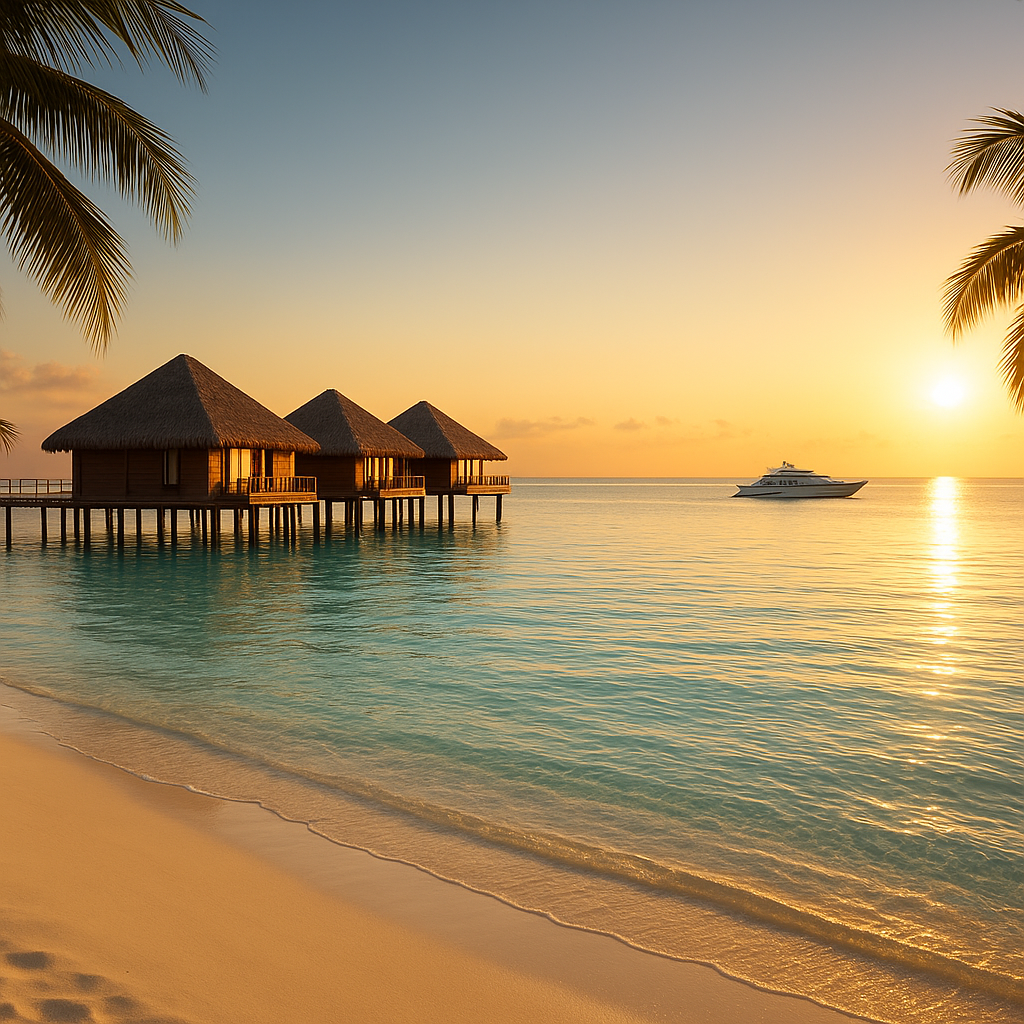
- Caribbean overwater bungalows are about stillness and direct access to water; the good ones are worth the splurge.
- Premium cruise lines win on consistency, dining, and itinerary design, not on noise or gimmicks.
- Canopy walks are the opposite of lazy luxury: they reward patience, height, and good architecture.
- Most marketing is puffed-up nonsense. Judge by craftsmanship, staff training, and how well the place respects your time.
What is Luxury Travel?
Luxury travel is the practice of paying for comfort, control, and exceptional execution. That sounds simple because it is. The real difference lies in the details: a villa that opens straight onto warm water, a ship where service feels quietly alert, or a canopy walkway that turns a forest into a properly designed experience rather than a tourist stampede.
When I’ve reviewed luxury travel products and experiences, the same pattern keeps showing up. People talk about “once-in-a-lifetime” this and “immersive” that, but what actually matters is whether the place gets the basics right before it tries to impress you. Clean lines. Good materials. Staff who know your name without acting like they invented hospitality. Beauty, too, matters more than marketers admit; fine design lifts the soul a bit, which is why the old idea that craftsmanship should reflect something higher than mere profit still rings true.
Frankly, luxury travel is not about being pampered in the cheap sense. It is about stewardship of time and attention. If a hotel or cruise wastes both, it fails, no matter how many candles it lights.
For a deeper look at premium accommodation standards, see luxury hotels and resorts and high-end destination planning. For a broader sense of what makes elite hospitality work, the best luxury cruise lines show how service and design translate at sea.
Why These Experiences Matter
Luxury travel matters because it changes the shape of a trip. Not every upgrade is worth it. But the right upgrade can turn a stressful itinerary into something calm, memorable, and actually restorative.
- Privacy: Overwater bungalows and suite-class cruises keep crowds away. That alone can justify the premium.
- Design: Good architecture and materials matter. Cheap finishes age badly; quality feels composed from day one.
- Service: The best crews anticipate needs before they become requests. That is the difference between polished and clumsy.
- Access: Some resorts and ships place you closer to reefs, quiet beaches, or remote ports without the usual mess.
- Time efficiency: A strong cruise itinerary can deliver multiple destinations without repeated packing and airport rituals.
- Perspective: Canopy walks, when done well, give a physical sense of scale that no rooftop bar can fake.
The kicker is that luxury should reduce friction, not add performance art. Too many brands confuse spectacle with value. A giant chandelier in the lobby is not the same thing as good housekeeping. A tasting menu with twenty tiny bites is not better if the kitchen cannot season a carrot properly. Most people know this instinctively; the industry just keeps trying to distract them.
There is also a more grounded reason these experiences matter. Beauty, rightly ordered, is not frivolous. It points beyond utility. That sounds lofty, but it is practical too. A well-made bungalow or a ship cabin with proper proportion and light makes people calmer, and calm people notice more. That is what you are buying.
For readers who care about adjacent luxury categories, compare this mindset with fine jewelry and craftsmanship or luxury watches and heritage. The pattern is the same: the thing must justify itself through materials, execution, and longevity.
How to Choose the Right Experience
Choosing the best luxury travel experience takes judgment, not impulse. Too many travelers buy the photo, then discover the noise, the hidden fees, or the mediocre service. I’ve seen that movie. It ends badly.
- Start with the setting. Decide whether you want ocean calm, sea transit, or elevated forest views. A Caribbean overwater bungalow gives isolation and water access. A cruise line gives range and convenience. A canopy walk gives a novel perspective with less downtime.
- Check the fundamentals. Ignore the fluff. Look at room size, soundproofing, food quality, staff-to-guest ratios, and transfer logistics. If the airport transfer is a mess, the property will probably be a mess too.
- Read recent reviews, not old glory. Luxury brands coast on reputation. Sometimes that reputation is deserved. Often it is stale.
- Study dining carefully. Fine dining is not only about tasting menus. The best luxury resorts and ships offer breakfast, casual lunches, and late-night service that are just as disciplined. If you want deeper food coverage, browse fine dining and luxury spirits coverage for how quality is judged across settings.
- Assess privacy honestly. A villa can still feel crowded if the boardwalk is busy and the next deck is six feet away. A cruise suite can feel cramped if public areas are overused. Privacy is measured in interruptions.
- Look for craft, not branding. Materials tell the truth. Stone ages differently than plastic. Hardwood feels different than laminate. Linen tells you whether a place cares.
- Match the experience to your temperament. Some people want stillness. Some want activity. Some want both. Don’t pretend you’re a monastery person if you secretly want a ship with live music and three martini bars.
I usually advise people to ask one blunt question: does this experience help me notice the place, or does it just entertain me? The best luxury travel does the former. The mediocre kind just makes noise.

Comparison Table
| Experience Type | Best For | Biggest Strength | Main Weakness | Typical Price Range | Best Example Trait |
|---|
| Caribbean Overwater Bungalow | Privacy, romance, water access | Direct lagoon or sea views | Expensive and weather dependent | $$ | Private deck and plunge pool |
| Luxury Cruise Line | Multi-destination travel | Convenience and service consistency | Less privacy than a villa | $$ | Suite dining and curated itineraries |
| Canopy Walkway | Nature, photography, slow exploration | Unique perspective and scenery | Weather and mobility limits | $-$$ | Strong architecture and safe design |
The table tells you what marketing avoids saying. The bungalow wins on intimacy. The cruise wins on efficiency. The canopy walk wins on perspective. That is the whole game.
If you want more context on elite travel standards, compare with Forbes Travel Guide’s hotel ratings approach and Condé Nast Traveler’s resort coverage. Those sources are useful because they focus on execution, not just pretty adjectives.
Common Mistakes to Avoid
People make the same mistakes over and over. Predictable, really.
- Buying the brand name alone. A famous label does not guarantee good service, especially in travel. Some places survive on old prestige and marketing budgets.
- Ignoring climate and seasonality. Overwater bungalows in the Caribbean sound dreamy until you pick a bad weather window. High season brings higher rates, but low season can bring storms and thinner service. Reality is rude like that.
- Assuming all cruises are alike. They are not. Some lines excel at dining and enrichment. Others are just floating shopping malls with suites attached.
- Overrating “all-inclusive” claims. Read the fine print. Premium drinks, excursions, specialty dining, and airport transfers are often excluded or partially included.
- Treating canopy walks as a side note. Badly built walkways are boring and unsafe. Good ones are memorable precisely because they are engineered with care.
- Confusing novelty with excellence. A glass floor and a drone photo do not equal quality. You are not buying a gimmick; you are buying a standard.
- Skipping the practical test. Ask how quiet the room is, how many people share the deck, whether the Wi-Fi works, and how quickly service responds. Luxury without competence is just expensive irritation.
The truth is, people often talk themselves into bad purchases because the photos look great. I’ve reviewed enough luxury products and trips to know that the strongest indicator of quality is usually boring: repetition of good execution. That is what you want. Not theater.
A subtle but important point: responsible luxury should respect what it touches. A resort that damages the reef, a cruise line that treats ports as disposable, or a walkway that scars the forest misses the moral mark as well as the aesthetic one. Good stewardship and good taste usually travel together. That’s not a sermon. It’s just common sense.
Frequently Asked Questions
What is the best Caribbean destination for overwater bungalows?
The best options depend on your priorities. If you want strong turquoise water, privacy, and modern villas, look for resorts in Jamaica, the Dominican Republic, and select private-island properties. The best choice is the one that balances build quality, seclusion, and reliable service.
Are luxury cruise lines worth the money?
Yes, if you value convenience, strong dining, and easy access to multiple destinations. No, if you want total privacy or hate scheduled movement. The money is justified when the line consistently delivers great service, spacious suites, and a well-planned route.
What makes a canopy walk worth visiting?
Design and setting. A good canopy walk has stable engineering, clean sightlines, and access to mature forest or mountain scenery. If it feels flimsy or overcrowded, skip it.
How do I know if a luxury experience is overpriced?
Look at the actual deliverables: room size, materials, service, dining, transfers, and privacy. If the experience leans on branding, hashtags, and empty promises, it is probably overpriced.
Final Thought
Luxury travel should leave you clearer, not merely flatter. That is the standard. A Caribbean overwater bungalow can do that when the water is quiet and the service is exact. A cruise line can do it when the ship moves like a well-run household rather than a carnival at sea. A canopy walk can do it when the structure disappears and the forest takes over.
I’ve spent enough time around expensive travel to say this plainly: the best experiences do not scream. They are composed. They respect your time, your privacy, and your intelligence. They also respect the place itself, which matters more than most brands will admit. Beauty is not there to inflate vanity; it is there to remind us that well-made things can lift ordinary life a little higher. That is a gift, and like any gift, it should be received with gratitude and used with restraint.
Spend where it counts. Ignore the perfume ads masquerading as travel advice. And choose the place that does the hard work quietly.