Tree top walks are elevated pedestrian routes through forests and gardens, built to give you a slower, higher, and cleaner view of the world below. They are...
The Most Beautiful Tree Top Walks and Canopy Walkways in the World
Tree top walks are elevated pedestrian routes through forests and gardens, built to give you a slower, higher, and cleaner view of the world below. They are not all equal. Some are polished tourist traps, others are serious feats of engineering placed in places where the forest, light, and silence do the real work. When I examined the best known canopy walkways around the world, the pattern was obvious: the good ones respect the setting, the bad ones just sell the idea of height.
Key Takeaways- The best tree top walks combine design, safety, and place.
- A good canopy walkway should reveal the forest, not overpower it.
- The most memorable routes are not always the longest ones.
- Temperature, crowd size, and altitude matter more than brochures admit.
- Beauty in these places is tied to stewardship, because the natural world is not a prop.
What is a Tree Top Walk or Canopy Walkway?
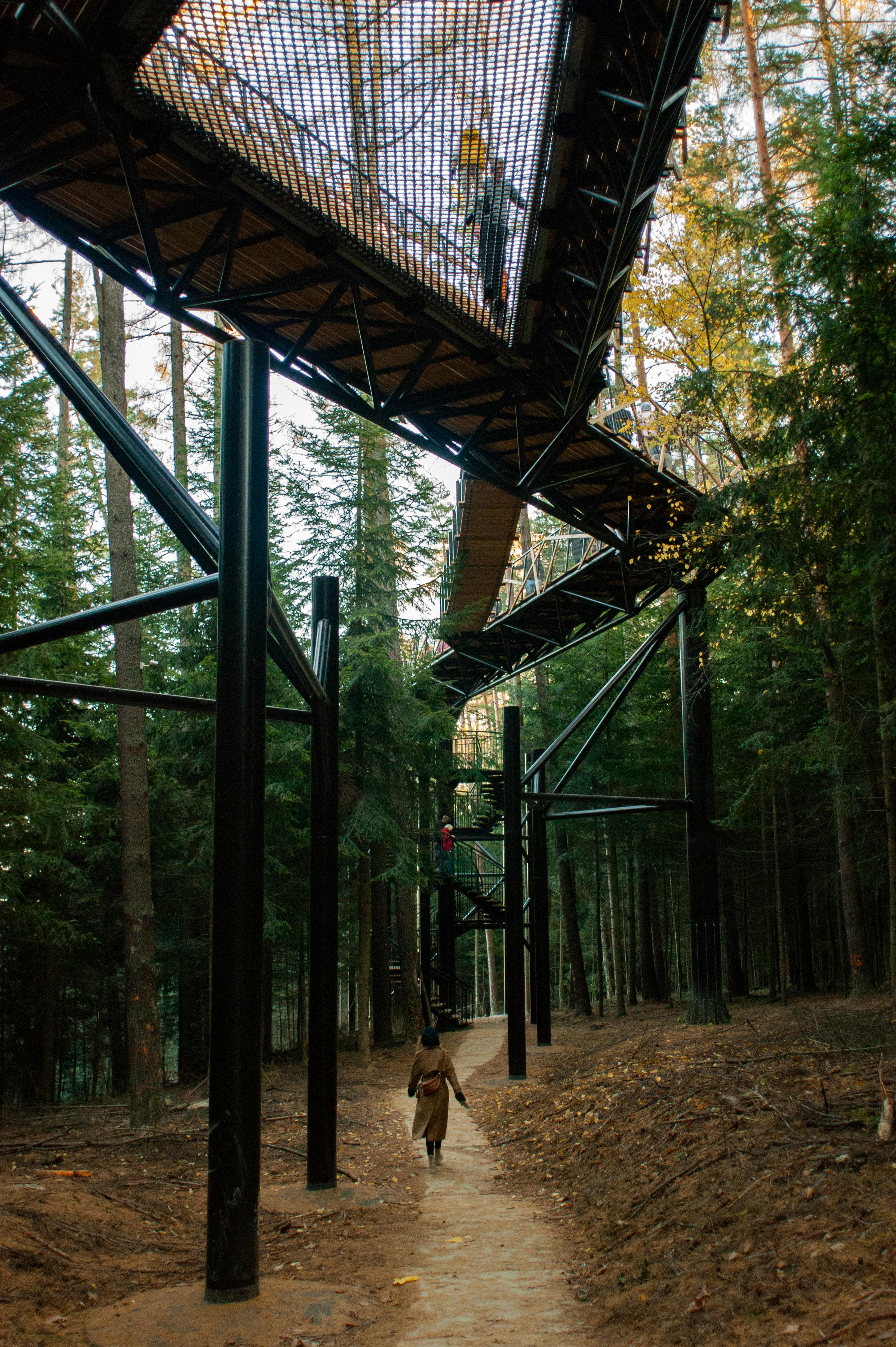
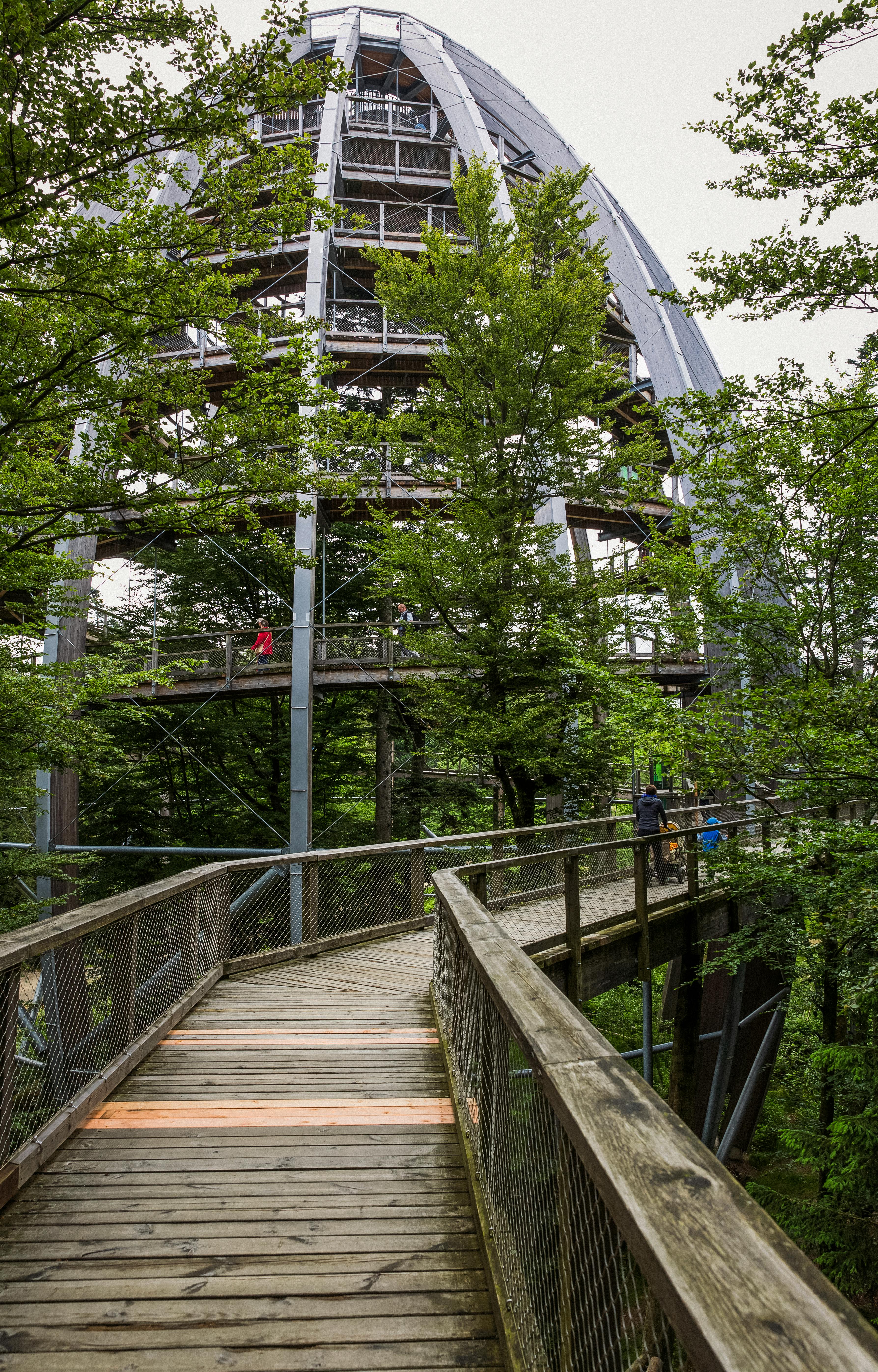
A tree top walk is an elevated path, bridge, or platform system that lets visitors move through the upper layers of a forest canopy. Simple enough. The best versions are not theme-park gimmicks; they are carefully designed structures that preserve roots below, protect wildlife, and let you see light, leaves, birds, and terrain from a different angle.
People often lump these experiences together, but there are differences. A canopy walkway may be a suspended path between trees, while a tree top walk is often a raised boardwalk, viewing platform, or looping trail built above the ground. Some are short and interpretive. Others stretch for hundreds of meters and cross ravines, wetlands, or mountain forests.
Frankly, most marketing copy gets this wrong. It talks about “immersive adventure” like it means something. What actually matters is whether the structure fits the site, whether the forest still feels alive, and whether the walk gives you more than a selfie angle. I’ve seen elevated paths that felt sacred in the old sense—quiet, ordered, and humbling. That matters. Beauty at height can remind you that creation is not there to be consumed, but appreciated with restraint.
A good canopy route also depends on materials and maintenance. Steel, hardwood, weatherproof fasteners, non-slip decking, and regular inspection are not glamorous, but they are the whole point. If a walkway creaks like a bad shopping mall escalator, the spell is gone.
For more context on scenic elevated routes and premium travel planning, see Condé Nast Traveler’s best views guide, National Geographic’s scenic walks coverage, and Lonely Planet’s best walks roundup.
Core Benefits of Visiting Tree Top Walks
The appeal is obvious.
You get height, air, and perspective, and if the place is done well, you get a clearer sense of the forest’s architecture—the way trunks rise, branches divide, moss clings, and birds move through layers you’d never notice from the ground.
Here’s the kicker: the best benefit is not adrenaline. It is attention.
- Better perspective: Looking down into a canopy changes how you read a forest. You start seeing structure, not just scenery.
- Wildlife viewing: Birds, insects, and even small mammals often appear more readily at canopy level.
- Lower-impact access: When designed properly, elevated paths reduce trampling and protect sensitive ground cover.
- Photography: Light behaves differently above the understory, so morning and late afternoon shots can be superb.
- Accessibility: Some tree top walks give visitors with limited mobility access to views they would otherwise never reach.
- Educational value: The best sites explain forest ecology, which is useful because a lot of people think a tree is just a tree.
Most luxury travel content overstates exclusivity and understates usefulness. A tree top walk doesn’t need champagne service to be memorable. It needs silence, clean sightlines, and a view worth the climb or stroll. That said, premium destinations often pair these walks with excellent guides, refined lodging, and well-run visitor systems, which is what turns a pleasant outing into a proper experience.
There is also something morally bracing about being above the ground without mastering it. That sounds lofty, but it’s plain truth. Human craft can make a graceful walkway, yet the forest remains the larger thing. That ordering is healthy.
How to Choose the Best Canopy Walkway
Choose badly, and you get crowds, noise, and a view of other tourists taking pictures of themselves. Choose well, and you get a place where design and nature cooperate.
I’ve reviewed enough travel experiences to know that the best choice is rarely the most famous one. It is usually the one with the best setting, least artificial clutter, and smartest timing.
- Check the setting first
A good walkway needs a strong natural context—rainforest, alpine forest, mangrove, gorge, or mature botanical garden. If the surroundings are thin, the experience is thin too. - Inspect the structure
Look for sturdy railings, stable decking, clear safety information, and reasonable load management. The engineering should disappear into the experience, not dominate it. - Study the crowd pattern
Early morning and weekday visits usually beat peak hours. A canopy route that’s packed with noisy groups loses half its charm. - Check the length and elevation
Longer is not always better. A concise walk with beautiful sightlines can beat a drawn-out route that feels repetitive. - Review weather and season
Fog can be atmospheric, but too much rain or heat can ruin the visit. Some forests are stunning in the wet season; others are muddy misery. - Compare nearby amenities
Restrooms, parking, shuttle access, guide quality, and nearby lodging matter more than tourists like to admit. - Look for conservation credibility
This is where the nonsense gets filtered out. If the site supports habitat protection, education, or responsible visitation, it deserves your money more than a flashy place built for novelty alone.
The truth is, elegance in travel is often about restraint. A good walkway does not shout. It frames.
For official park and site planning details, check U.S. National Park Service scenic trail resources and IUCN guidance on nature-based stewardship for why sensitive design matters.
Comparison Table: Tree Top Walks vs Traditional Forest Trails
| Feature | Tree Top Walks | Traditional Forest Trails |
|---|
| Main view | Canopy-level perspective | Ground-level immersion |
| Accessibility | Often better for many visitors | Can be uneven or steep |
| Wildlife spotting | Strong for birds and canopy species | Better for ground flora and tracks |
| Design focus | Engineering, safety, sightlines | Terrain, natural surfaces |
| Best for | Scenery, interpretation, photography | Hiking, solitude, physical challenge |
| Risk of crowding | High at famous sites | Usually more dispersed |
| Environmental impact | Lower when properly built | Can cause soil wear if overused |
| Overall feel | Elevated, composed, panoramic | Earthy, intimate, strenuous |
The comparison is not about superiority. It is about purpose. If you want exercise, a forest trail may be better. If you want perspective and a controlled, scenic route, a canopy walkway is often the smarter choice. A lot of travel writers pretend one is inherently “more authentic.” Rubbish. Authenticity depends on design, maintenance, and respect for place.
The Most Beautiful Tree Top Walks in the World
Now for the part people actually want.
The most beautiful tree top walks combine setting, scale, and a sense of quiet. Not every famous site belongs on this list, and some lesser-known ones deserve more credit than they get. Beauty can be dramatic, but it can also be subtle—mist over branches, filtered light, or the clean geometry of a walkway disappearing into trees.
- TreeTop Walk at MacRitchie Reservoir, Singapore: A classic suspension-style canopy route through lush secondary forest. The appeal is not just the height, but the contrast between urban order and green density. It’s one of the finest examples of a walkway that feels integrated rather than imposed.
- Arenal Hanging Bridges, Costa Rica: Technically a mix of hanging bridges and forest paths, this is one of the best places to experience tropical canopy layers without theatrics. The rainforest does the work. You just keep up.
- Sibiu Tree Top Walk, Romania: In Europe, forest walkways can be more restrained and elegant. The appeal here is clean design and the surrounding landscape, which makes the structure feel calm instead of crowded.
- Treetop Walk Tirol, Austria: Set in alpine scenery, this route offers mountain air and broad views. The engineering is tidy, the setting is serious, and the whole thing feels properly considered.
- The Canopy Walkway at Kakum National Park, Ghana: One of the most famous in the world, and deservedly so. It is high, narrow, and unforgettable. The forest below feels ancient, which makes the walk itself feel consequential.
- Skywalk at Monteverde Cloud Forest, Costa Rica: Suspended bridges and cloud forest mist create a softer, more atmospheric experience. If you enjoy humid air, birds, and shifting light, this is hard to beat.
- Treetop Trail at Dalby Forest, England: More family-friendly than dramatic, but still beautiful. The design is accessible and the forest setting offers a different kind of pleasure—less spectacle, more order.
- Some lists pad themselves with scenic hikes that are not tree top walks. Don’t be fooled by sloppy curation.
The finest examples respect proportion. They let you see branches as architecture and leaves as texture. That’s where the beauty lives.
For additional travel inspiration, see Britannica’s overview of forest canopies and National Geographic on forest canopies.
Common Mistakes to Avoid
People make the same mistakes every time.
They assume the longest walkway is the best, they book at the busiest time, and they think every elevated path offers a premium experience. It doesn’t. Some are overhyped, under-maintained, and surrounded by souvenir stalls that kill the mood.
- Chasing fame over fit: A famous canopy walkway may be less rewarding than a quieter one with better views.
- Ignoring weather: Rain, fog, wind, and heat all change the experience dramatically.
- Arriving at peak hours: Crowds flatten the sense of wonder. Go early if you can.
- Overlooking safety details: The structure should be well maintained. If it looks tired, trust your instinct.
- Expecting luxury where none exists: A beautiful walkway is not the same as a luxury experience. The luxury part comes from service, pacing, and setting.
- Missing the ecological context: These routes are not just attractions; they are often part of conservation efforts. Respect that.
Most bad advice treats nature like décor. That’s lazy. A good canopy route is a meeting between human craftsmanship and living systems, and if either side is treated carelessly, the result feels cheap.
I’ll say it plainly: some visitors want a “bucket list” tick and nothing else. Fine. But if you want an experience with actual worth, slow down and notice the work behind the beauty. There’s dignity in that, and not just for the builders.
Frequently Asked Questions
What is the difference between a tree top walk and a canopy walkway?
A tree top walk is usually a raised boardwalk or viewing path. A canopy walkway is often suspended between trees or elevated above the forest floor, sometimes with bridges and platforms.
Are tree top walks safe?
Yes, when properly designed and maintained. Look for stable decking, solid railings, capacity controls, and clear site management.
What is the best time of day to visit?
Early morning is usually best. Light is softer, temperatures are lower, and crowds are smaller.
Do canopy walkways damage forests?
They can, if built poorly. But well-planned elevated structures often reduce ground disturbance compared with heavy foot traffic on informal trails.
Final Thought
The best tree top walks are not really about height. They are about order, proportion, and the chance to see a forest as something greater than a backdrop.
That is why the finest examples stay with you. They do not shout for attention. They present a view, quietly, and let the place speak. In a world obsessed with noise and speed, that kind of restraint feels almost radical. Maybe that is the real luxury here—not gold rails or dramatic slogans, but the rare chance to stand above the canopy, breathe, and remember that beauty is worth preserving, not just consuming.
If you pick well, the walkway becomes more than a route. It becomes a small lesson in humility.
FAQPage Schema
{
  "@context": "https://schema.org",
  "@type": "FAQPage",
  "mainEntity": [
    {
      "@type": "Question",
      "name": "What is the difference between a tree top walk and a canopy walkway?",
      "acceptedAnswer": {
        "@type": "Answer",
        "text": "A tree top walk is usually a raised boardwalk or viewing path. A canopy walkway is often suspended between trees or elevated above the forest floor, sometimes with bridges and platforms."
      }
    },
    {
      "@type": "Question",
      "name": "Are tree top walks safe?",
      "acceptedAnswer": {
        "@type": "Answer",
        "text": "Yes, when properly designed and maintained. Look for stable decking, solid railings, capacity controls, and clear site management."
      }
    },
    {
      "@type": "Question",
      "name": "What is the best time of day to visit a canopy walkway?",
      "acceptedAnswer": {
        "@type": "Answer",
        "text": "Early morning is usually best because light is softer, temperatures are lower, and crowds are smaller."
      }
    },
    {
      "@type": "Question",
      "name": "Do canopy walkways damage forests?",
      "acceptedAnswer": {
        "@type": "Answer",
        "text": "They can, if built poorly. Well-planned elevated structures often reduce ground disturbance compared with heavy foot traffic on informal trails."
      }
    }
  ]
}