Luxury is not just a high price tag. It is craftsmanship, scarcity, service, and the stubborn refusal to make things badly. But let’s be honest: most luxury...
Luxury is not just a high price tag. It is craftsmanship, scarcity, service, and the stubborn refusal to make things badly. But let’s be honest: most luxury marketing is inflated nonsense. The brands and experiences that truly matter earn their place through materials, repairability, heritage, and a level of execution that regular mass-market products rarely touch. That is true whether we are talking about luxury cars, fine jewelry, haute horology, designer handbags, premium travel, or a table at a great restaurant where the chef respects both ingredient and guest.
When I examined the market for expensive brands and premium experiences, one thing became obvious fast: price alone tells you almost nothing. A swollen retail tag can hide mediocre quality, while a quiet, almost severe object—say a hand-finished watch, a rare diamond, or a coachbuilt car—may genuinely justify the cost. The real question is not, “How much does it cost?” It is, “What are you paying for, exactly?”
That is the useful way to think about luxury. Not as a shrine to ego, but as a form of disciplined excellence. Beauty, done properly, is not frivolous. It points beyond utility. And good work—careful stitching, patient polishing, exacting plating, flawless hospitality—still has moral weight. Even in the world of status goods, the best things are made by human hands, with skill, patience, and some reverence for materials. Frankly, that matters more than the logo.
Key Takeaways- Luxury value comes from craftsmanship, scarcity, service, and brand integrity—not hype alone.
- Expensive does not mean best; weak product design and lazy marketing are common.
- True premium experiences in travel, dining, and motoring feel precise, personal, and durable.
- Buy for use, provenance, and repairability when possible; speculation is a bad plan for most people.
- The best luxury has a human signature: skill, taste, and restraint.
If you want a serious benchmark for the high end, start with the objects and places that still respect workmanship. For example, the status of expensive cars is often discussed in lists like the most expensive car brands in the world, but ranking by sticker price alone is crude. A better lens is how a brand treats engineering, materials, and ownership. The same is true for gems and watches: a diamond or timepiece may be costly, yet only a fraction of the value comes from rarity; the rest comes from cut, finishing, pedigree, and trust.
So yes, we are talking about luxury goods, high-end brands, luxury travel, fine dining, and premium experiences. But not in the usual brochure language. We are separating the real from the theatrical. Because there is a difference between expensive and excellent, and too many buyers confuse the two.
What is the most valuable luxury brand or experience?
The most valuable luxury brand is not always the one with the biggest logo or the loudest ad budget. It is the one that can command premium pricing over time because its products, service, and reputation hold up under scrutiny. That might be a watchmaker with centuries of technical credibility, a jeweler known for exceptional stones, or an automaker whose cars are built in tiny numbers with obsessive attention to fit and finish.
The phrase “most valuable” gets abused. People toss it around like confetti. But there are at least four different kinds of value in luxury, and mixing them up causes bad purchases.
First, there is market value. That is the price the market is willing to pay today, often driven by scarcity and brand strength. Second, there is intrinsic value—the cost and quality of materials, labor, design, and execution. Third, there is emotional value, which is the pleasure of owning, wearing, driving, or experiencing something exceptional. Fourth, there is cultural value, the kind that attaches to heritage houses, iconic models, and objects that become part of the broader story of taste.
Luxury houses survive when they manage all four. Most do not. Some lean too hard on heritage while quietly cutting corners. Others make technically excellent pieces with zero soul. A few manage the rare balance: a product that feels inevitable, not manufactured by committee.
I have reviewed luxury categories for years, and here is the kicker: customers often pay for inconsistency. They assume a high price means purity of execution, but in reality, luxury markets contain plenty of inflated mediocrity. A $20,000 handbag can still have sloppy edge paint. A million-dollar car can feel overwrought. A five-star resort can have warm smiles and cold service. Fancy, yes. Memorable, not always.
For a cleaner framework, look at the ingredient list of real luxury:
- Craftsmanship: hand-finishing, careful stitching, precise setting, skilled assembly.
- Materials: rare leathers, noble metals, high-grade ceramics, exceptional movement components, top-tier produce.
- Heritage: a legitimate history of excellence, not a marketing scrapbook.
- Scarcity: controlled production, limited allocation, or difficult-to-source raw materials.
- Service: human attention that anticipates needs without acting like a robot in a blazer.
- Repairability and longevity: if it cannot be maintained, it is not truly premium.
That list applies across categories. A watch can be valuable because of its movement architecture and finishing. A diamond can be valuable because of the 4Cs, but especially cut. A luxury hotel can be valuable because every interaction feels calm, exact, and human. A great meal can be valuable because the chef respects product, season, and restraint instead of trying to show off with smoke and foam.
If you want an external benchmark, the luxury sector’s own trade press keeps showing that price leadership is rarely random. Brands with strong desirability, distribution discipline, and recognizable codes tend to defend pricing best. You can see related market discussions at Bloomberg on luxury pricing and broader brand analysis from The Business of Fashion. Those sources are not scripture, naturally, but they help separate real demand from press-release puffery.
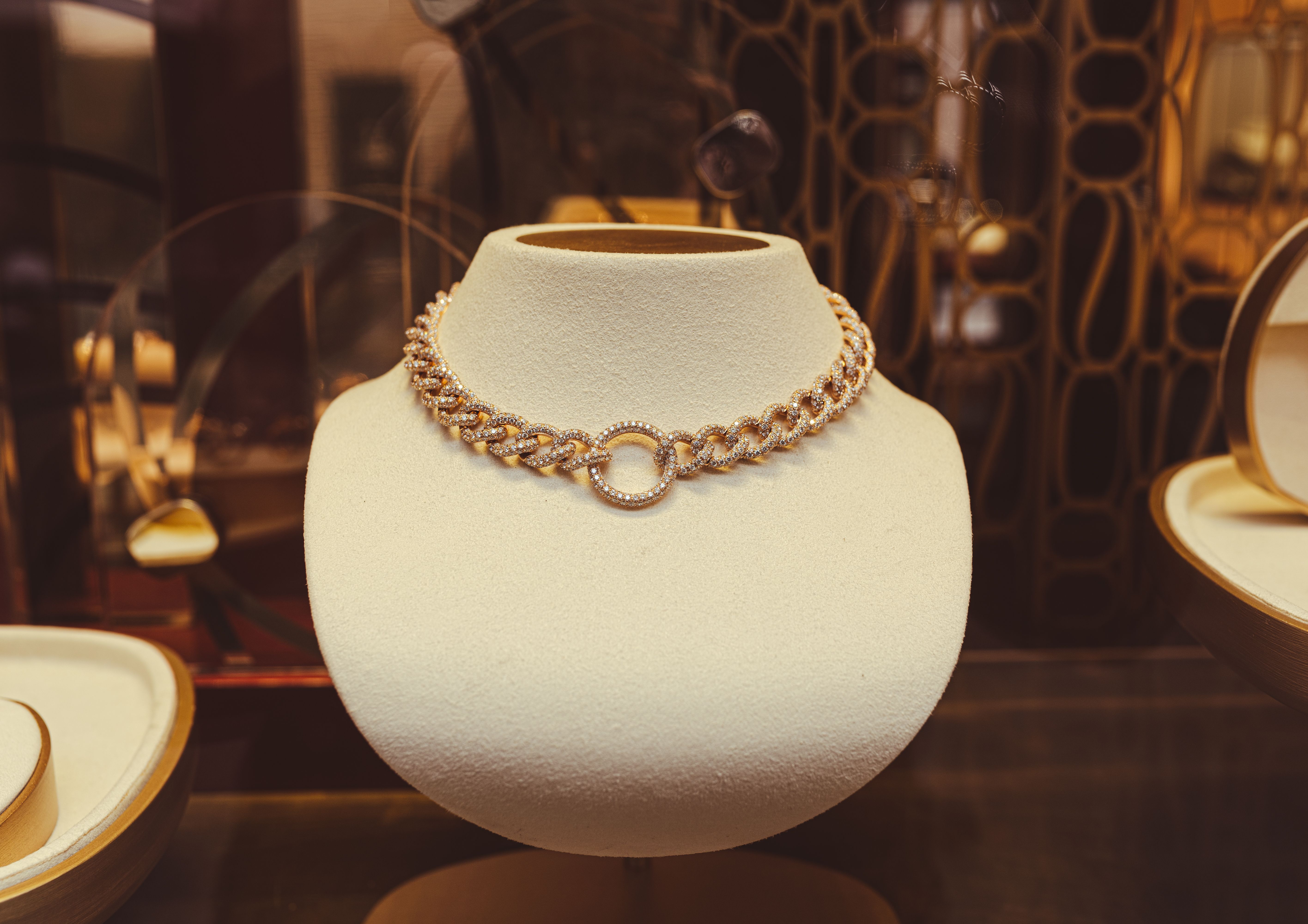
Why luxury still matters
Luxury matters because people are not machines. We notice texture, proportion, sound, scent, and service. We respond to excellence. That is not sin; it is human nature. The trouble begins when luxury becomes pure vanity. Then it turns into a costume party for insecure adults. Frankly, nobody needs that.
Real luxury matters for several practical reasons.
- It rewards skilled labor.
Behind a fine watch, a bespoke interior, or a beautifully plated dish is somebody who trained for years. That dignity of work deserves respect, and it shows in the result. - It preserves craft traditions.
Some methods survive only because buyers still value them: hand-welting, stone setting, mechanical watchmaking, coachbuilding, heritage tailoring, vineyard work, and classical hospitality. - It can last longer.
True premium goods are often repairable, serviceable, and built for decades, not fashion cycles. Cheap goods are frequently expensive in disguise because they need replacing. - It creates memorable experiences.
A proper hotel check-in, a tasting menu built with discipline, or a supercar on an open road can become a memory that stays sharp for years. That has value, even if accountants struggle to measure it. - It signals taste when used well.
Subtlety beats bling. A well-cut suit, a discreet watch, or a private suite with thoughtful service says more than a loud logo ever could.
Now, the contrarian part. Not every luxury category deserves blind admiration. Some brands charge for story alone. Some hotels lean on heritage while ignoring comfort. Some fashion labels sell novelty at ridiculous margins, then hide behind “exclusive” language. The market rewards these tricks because people like symbols. But symbols without substance get old fast.
If you want to see where luxury remains serious, look at categories where mistakes are visible. Jewelry shows defects in stone quality. Watches expose weak finishing. Automotive exposes bad engineering instantly. Travel exposes service failures within minutes. Fine dining exposes ego on the plate. In other words, luxury is a harsh judge. It rewards competence and punishes bluffing.
For more context on the premium travel side, see the standards discussed by Condé Nast Traveler and the hotel benchmarks often covered by The Times travel section. For spirits and dining culture, Wine-Searcher remains useful for price and provenance checks. Again, no halo effect required.
How to evaluate and select luxury purchases or experiences
Selecting luxury well is mostly about refusing to be bullied by branding. There, I said it. Most people shop backward: they see a label, feel a spike of desire, and then rationalize the purchase afterward. That is how closets fill with regret.
Here is the process I actually use.
- Start with the function.
What is this thing supposed to do? A watch should tell time and feel good to wear. A handbag should carry essentials cleanly. A car should drive with composure, not tantrums. A hotel should rest the body and calm the mind. If the core function is weak, the luxury is fake. - Inspect the materials.
Leather should smell and age well. Metals should feel substantial and be well finished. Fabrics should drape properly. In travel, materials mean bedding, acoustics, glassware, towels, water pressure, and the food on the plate. - Check the workmanship.
Look at stitching, alignment, polishing, joins, tolerances, and repetition. Sloppiness is not a small issue at this level. It is the whole issue. - Study the brand’s repair and service policy.
This is where the pretenders panic. Real luxury is maintained. Ask how long parts are available, whether restoration is possible, and who actually services the product. - Assess scarcity honestly.
Is the item truly limited, or merely hard to get because the brand is staging artificial shortage? Sometimes scarcity is genuine. Sometimes it is theater. Very different things. - Compare against category leaders, not social media noise.
If you want a watch, compare it to serious horology, not influencer wrist candy. If you want a hotel, compare it to properties with consistently high service standards, not just photogenic lobbies. - Buy for a life, not a week.
Will you still enjoy it in five years? Can it be maintained? Is it versatile? Or are you paying for a thrill that will vanish when the packaging goes in the bin?
When I analyze luxury purchases, I ask one blunt question: would I still respect this if the logo were hidden? That question cuts through nonsense quickly. A great object or experience should retain its appeal when stripped of branding theatrics.
The same logic applies to luxury travel. If you are choosing among hotels or resorts, compare the actual experience: airport transfer reliability, room acoustics, bedding quality, staff discretion, breakfast execution, spa standards, and how they handle problems. A champagne welcome is pleasant. Quiet competence is better.
For background on high-end hospitality standards and destination coverage, this guide pairs well with Forbes Travel Guide. It is not infallible, but it does focus on service detail, which is where luxury either lives or dies.
Comparison table: luxury brands and experiences vs mass-market competitors
| Category | Luxury Example | Mass-Market Competitor | What Luxury Adds | What Often Gets Oversold |
|---|
| Watches | Rolex, Patek Philippe, Audemars Piguet | Fashion watches | Better finishing, movements, service, longevity | “Investment” hype on every model |
| Jewelry | Cartier, Van Cleef & Arpels | Mall jewelers | Stone quality, design, craftsmanship, resale depth | Brand markup on common materials |
| Handbags | Hermès, Louis Vuitton | Fast-fashion accessories | Leather quality, construction, repair support | Exclusivity theater |
| Fashion | Brunello Cucinelli, Loro Piana | Premium mall brands | Fabrics, cut, drape, subtlety | “Quiet luxury” as a slogan |
| Automotive | Rolls-Royce, Ferrari, Bentley | Mainstream luxury SUVs | Engineering depth, materials, bespoke options, driving feel | Status signaling over usability |
| Hotels | Aman, Four Seasons, Bulgari Hotels | Standard upscale hotels | Service precision, privacy, design, consistency | Instagrammable design with weak service |
| Fine dining | Michelin-level tasting menus | Upscale chain restaurants | Ingredient discipline, technique, pacing | Tiny portions masquerading as artistry |
| Spirits | Rare Scotch, vintage Champagne | Standard labels | Age, provenance, scarcity, craftsmanship | Collector fever detached from drinking value |
The table is blunt because it should be. Luxury categories are uneven. Some genuinely outperform. Some just charge more for a better story and a heavier box.
If you want a rigorous car comparison specifically, the hyper-luxury end is usually where engineering becomes visible. The most expensive car brands are not just expensive because they can be. They are expensive because small production runs, custom interiors, carbon-intensive engineering, and hand-built elements push costs skyward. Yet the biggest rival to luxury in this space is often not a cheaper car—it is restraint. A well-sorted, less theatrical machine can be more satisfying than a spec-sheet peacock.
For market context on high-end auto values and collectors, use sources like Hagerty. For watch market and auction references, Christie’s is a useful benchmark, especially for rare timepieces and jewelry.

Common mistakes to avoid
The biggest mistake is confusing price with quality. That one gets people every time. High price can reflect rarity, yes. It can also reflect margin greed, scarcity theater, and marketing spend. Do not let a glossy campaign do your thinking for you.
Another mistake is buying for strangers. If the object only matters because other people will recognize it, you are renting self-respect from a brand. That is a poor trade. The best luxury feels good even when nobody notices. That applies to a watch under a cuff, a handbag that just works, or a hotel suite with no need to impress the lobby.
People also overpay for trend cycles. A brand can be hot for twelve minutes and then ordinary the next season. Fashion is especially guilty here. I have seen plenty of “must-have” pieces become closet clutter before the dry-cleaning bill arrives. The same problem shows up in travel when a destination is hyped beyond reason, then the service levels cannot cope.
Another error is ignoring maintenance. Luxury goods require care. Shoes need resoling, watches need service, leather needs conditioning, cars need proper storage, and travel bookings need thoughtful timing. If you are not willing to maintain ownership, then you are not buying luxury. You are buying an expensive headache.
Here are the common traps, plainly stated:
- Chasing logos instead of construction.
- Assuming scarcity equals worth.
- Ignoring after-sales support.
- Treating social media as expertise.
- Buying pieces that do not fit your life.
- Confusing fine dining with excessive complexity.
- Believing every “collector” item will appreciate.
The collector trap deserves special mention. Some watches, cars, handbags, and spirits do rise in value. Many do not. The market is full of people telling stories after the fact. Most luxury goods should be bought for use and enjoyment. If value retention happens, treat it as a bonus, not a plan.
There is also a subtler mistake: ignoring proportion. A beautiful object that is too large, too loud, or too ornate can look foolish quickly. Taste is often about restraint. That is not puritanism. It is discernment. Even in opulence, the best makers understand measure.
For deeper reading on luxury market discipline and why not all “iconic” products hold value, recent reporting at Reuters markets is often more useful than glossy brand propaganda. Less sparkle, more facts. A rare virtue.
Frequently Asked Questions
What makes a luxury brand truly valuable?
A truly valuable luxury brand combines craftsmanship, heritage, scarcity, service, and consistency. The label alone means little if the product is poorly made or impossible to maintain.
Are expensive luxury goods a good investment?
Sometimes, but not usually as a first assumption. Certain watches, handbags, rare cars, jewelry, and wines can hold or increase value, but most luxury purchases should be made for enjoyment, not speculation.
Which luxury categories hold value best?
Historically, some high-end watches, iconic handbags, rare jewelry, collectible cars, and exceptional wines or spirits can hold value well. Condition, provenance, and demand matter more than hype.
How do I spot fake luxury quality?
Inspect the details: stitching, finishing, weight, material smell, symmetry, service policy, and brand history. If the product feels flimsy, overbranded, or weirdly hard to verify, that is a warning sign.
Final thought
Luxury is at its best when it behaves like stewardship, not vanity. That distinction matters. A well-made watch, a properly tailored jacket, a quiet hotel suite, a serious bottle of wine, or a long-planned meal at a great restaurant can all deepen appreciation for skill, order, and beauty. They remind us that good things are made, not merely marketed.
That said, nobody needs to worship the category. The luxury world is full of inflated claims, artificial scarcity, and performance dressed up as elegance. I have little patience for that, and you probably should not either. The decent path is simpler: look for craftsmanship, honesty, and service that respects the person paying the bill. That is where luxury becomes more than status. It becomes a small but real form of excellence, which is the kind of thing worth preserving.
And yes, if a brand, hotel, or restaurant cannot stand up without theatrics, it is probably all hat and no cattle. The good stuff does not need to shout.