Luxury is not just price. It is proof. The best products, places, and meals earn their place through craft, restraint, materials, service, and the kind of...
The Real Guide to Luxury Goods, High-End Brands, and Premium Experiences in 2026
Luxury is not just price. It is proof. The best products, places, and meals earn their place through craft, restraint, materials, service, and the kind of confidence that does not need to shout. The bad stuff? It is expensive theater. If you want the real thing, you have to look past the logo and ask what, exactly, you are paying for.
Key Takeaways
- Luxury worth buying is built on craft, not noise.
- Service, scarcity, and materials matter more than marketing.
- Luxury travel and dining should feel exacting, calm, and human.
- The smartest buyers compare value, durability, and pleasure, not hype.
- Beauty matters when it is made well and used well.
What is luxury, really?
Luxury is the disciplined use of excellent materials, skilled labor, and serious taste. It includes luxury goods, high-end brands, luxury travel, fine dining, and premium experiences that offer more than status; they offer precision. I have reviewed enough expensive nonsense to say this plainly: if the zipper fails, the watch loses time, the hotel smells tired, or the tasting menu is all foam and ego, it is not luxury. It is costume.
Luxury goods usually fall into a few buckets. A watch earns its price through movement finishing, complication design, and heritage. A handbag earns it through leather selection, stitching, edge paint, and structural integrity. Jewelry relies on stone quality, metal purity, and setting craftsmanship. Fashion depends on cut, fabric, and pattern work. Automotive luxury adds engineering, comfort, and performance. Travel and hotels depend on privacy, consistency, and service that anticipates need without becoming clingy. Spirits and fine dining prove their worth through sourcing, aging, technique, and restraint.
Here’s the kicker. Most brands understand prestige, but not proportion. They know how to sell a story. They do not always know how to build a thing that lasts. That is why discerning buyers study the object itself, not just the campaign around it. A well-made item reflects human skill, and, frankly, that still matters in a world that keeps praising speed over excellence.
Luxury also carries a moral question. Good stewardship matters. If beauty is real, it should not be wasteful, fake, or cruel. A finely made coat, a hand-finished watch, or a superb meal can be a fitting use of resources when it honors labor, materials, and craft. The point is not indulgence for its own sake. The point is appreciation ordered toward what is good, true, and beautiful.
For more on the cultural side of fine living, see Bloomberg Luxury, Harper’s Bazaar luxury coverage, and Robb Report. These are not holy writ. They are useful starting points.
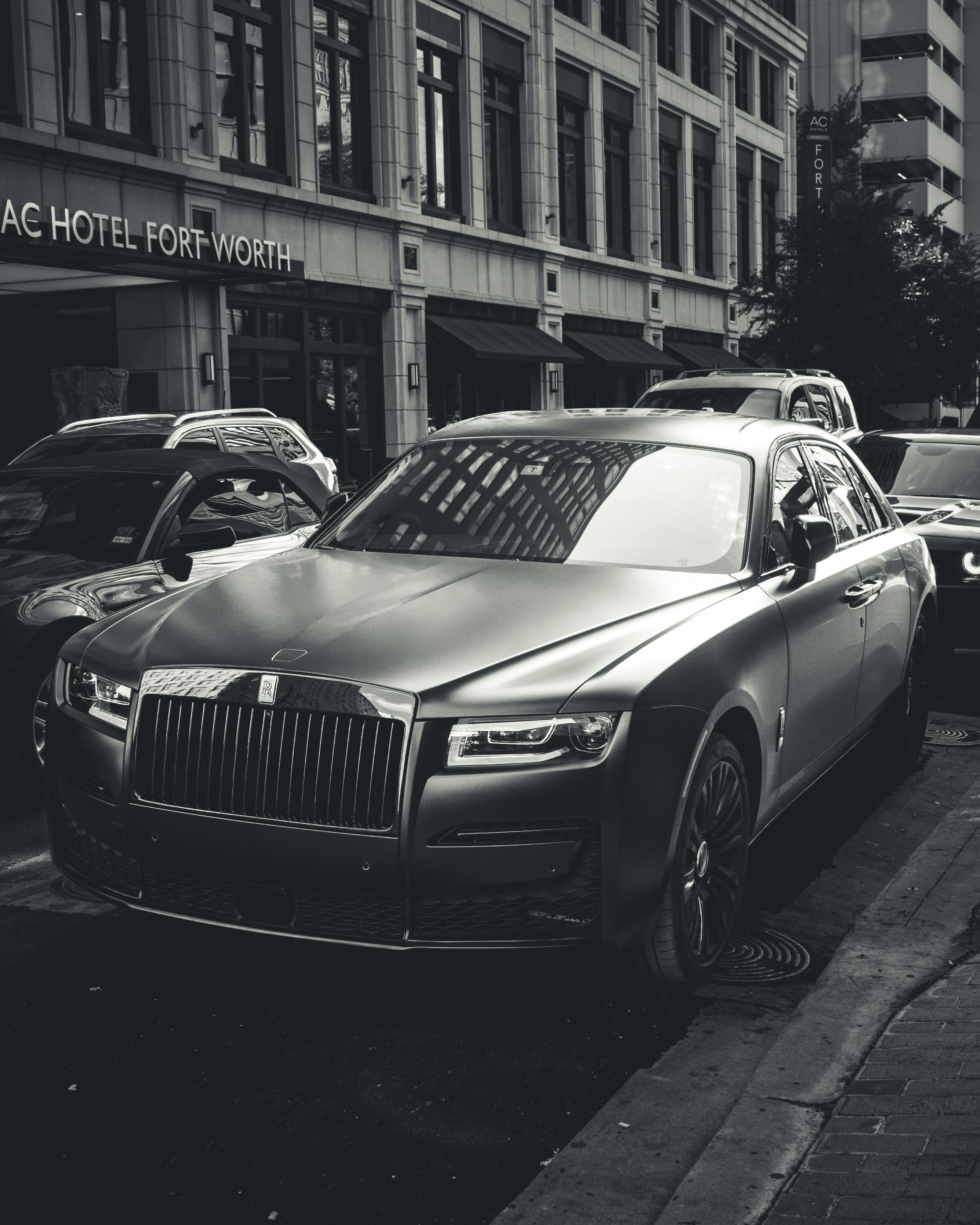
Core benefits and why people still care
Luxury matters because it solves real problems badly made things create. That sounds obvious, but plenty of people still confuse high price with high value. They are not the same. A good luxury purchase can reduce friction, increase durability, and deliver pleasure for years, which is more than can be said for most status buys.
- Craftsmanship lasts. A well-built item can survive daily use, repair, and time. That is not romance. That is math.
- Materials change everything. Full-grain leather, precious metals, high-grade wool, and calibrated movements feel different because they are different.
- Service becomes part of the product. In luxury hotels and restaurants, the staff’s timing and judgment are part of what you are buying.
- Resale value can be real. Some watches, handbags, and cars hold value better than mid-market goods, though not every logo deserves that reputation.
- Experience beats clutter. Premium travel and dining often create memories that outlast objects. Try putting a sunrise over the Amalfi Coast in a drawer.
- It rewards discernment. The buyer learns to spot the difference between polish and substance, which is a useful habit far beyond shopping.
I have looked at enough market data to know that buyers often pay for the wrong thing. They chase brand heat, then discover mediocre finishing, poor fit, or unreliable service. That is why I respect houses that quietly overbuild. They do not need a circus. They need standards.
Luxury travel and hospitality are especially revealing. A great hotel room is not big because it is large; it is big because every inch works. A superb meal is not expensive because there are too many ingredients; it is expensive because the kitchen respects the product. Good restaurants often practice a kind of humility. They let the fish taste like fish. They let the wine support the dish. They do not shout. Nice, isn’t it?
If you want deeper context on standards in hospitality, compare coverage from Condé Nast Traveler and Travel + Leisure. They often separate polished service from empty gloss better than most glossy brochures do.
How to choose luxury goods and premium experiences without wasting money
Choosing well is mostly about patience and comparison. It is not mystical. It is methodical. Most expensive mistakes happen when buyers shop with adrenaline instead of judgment, which is how people end up with a useless watch, a handbag that screams for attention, or a five-star hotel that cannot make coffee correctly.
- Start with purpose.
Decide whether you want daily utility, occasional showpiece value, investment potential, or pure pleasure. I have found that buyers who define the use case first waste far less money. A travel watch is not the same as a dress watch. A city hotel is not the same as a resort.
- Inspect the build.
Look at stitching, alignment, weight, hand feel, finishes, edges, and tolerances. Luxury is often hidden in what people rarely notice. Ask yourself whether the item would still impress if the logo vanished.
- Check the materials.
Leather should feel rich, not plasticky. Metal should have density and clean finishing. Fabric should drape properly. In hospitality, materials include linens, tableware, glassware, and sound insulation. Cheap materials betray expensive pricing in seconds.
- Study the service model.
The best hotels and restaurants are run like orchestras, not chaos factories. Booking, arrival, housekeeping, and dining flow matter. If the brand is clumsy before you arrive, do not expect grace later.
- Compare price to lifespan.
I usually ask: how long will this remain useful, elegant, and repairable? A good coat worn for ten winters can be cheaper than three mediocre ones. Same with watches, cars, and luggage.
- Read serious reviews, not hype reels.
Use sources that mention flaws, maintenance, and trade-offs. Luxury writing that only praises is usually paid to flatter. Try Hodinkee for horology, Fragrantica for scent criticism, and established travel publications for hotel and destination analysis.
- Trust your senses.
Does it feel balanced? Does it smell cheap? Does it sit well? Does service feel alert, not automated? Taste and touch still matter. We were given senses for a reason.
- Avoid buying for applause.
Frankly, this is where most people get trapped. A visible logo can be useful, but if the item exists only to impress strangers, it will age badly. Beauty should serve life, not crowd control.
When I examined premium purchases across categories, the winners shared one trait: they improved repeated use. The right watch became more personal. The right hotel became a dependable refuge. The right restaurant created memory through discipline, not theatrics. That is the pattern. Anything else is just expensive noise.
For travel planning, useful destination and property analysis can be found at this Condé Nast Traveler hotel roundup and Forbes Travel Guide coverage. Use them as reference points, then verify for yourself.
Comparison table: Luxury brands and experiences vs premium mainstream competitors
Luxury is not automatically better, but it usually offers a higher ceiling in materials, service, and detail. Mainstream premium brands can be excellent value, though they rarely match the same depth of finish or personalization. The trick is knowing what difference actually matters.
| Category | Luxury option | Premium mainstream competitor | What changes in practice | Worth the upgrade? |
|---|
| Watches | Hand-finished Swiss timepiece | Well-made fashion or entry watch | Better movement, longevity, serviceability | Often yes, if you care about horology |
| Handbags | Top-tier leather atelier bag | Designer diffusion line | Better leather, stitching, structure | Yes for daily use, not always for trends |
| Hotels | Ultra-luxury hotel or resort | Upper-upscale business hotel | Personal service, privacy, amenities | Yes for special stays |
| Fine dining | Michelin-level tasting menu | Good upscale restaurant | Technique, sourcing, pacing | Yes for milestone meals |
| Travel | Private villa, yacht, or bespoke itinerary | Standard five-star package | Flexibility, exclusivity, time savings | Yes when time matters |
| Spirits | Rare vintage whiskey or aged champagne | Widely available premium label | Complexity, scarcity, collector value | Sometimes, if you know your palate |
The most common mistake is pretending the table is purely about prestige. It is not. It is about fit. A luxury item is worth it when the upgrade produces a clear gain: better comfort, better performance, better memory, better repairability, or better service. If none of those show up, the premium is dead weight.
And yes, some brands rest on old glory. Heritage sounds grand until you inspect the product and find the modern version has weaker finishing than the one from ten years ago. That happens more often than executives admit. A family firm, a long-established hotel, or a storied atelier still has to earn its keep every season.
The same logic applies to experiences. A private tasting at a vineyard, a suite with proper soundproofing, or a chef’s table with genuinely thoughtful pacing can be worth the surcharge. But if the experience mainly sells access and not excellence, save your money and buy something better made.
Common mistakes to avoid
Luxury buyers make the same errors with stubborn regularity. I say that with some annoyance because many of them are avoidable. Good taste is not rare; good judgment simply gets bullied by status anxiety.
- Buying the logo, not the object. Brand recognition helps, but it is not a substitute for build quality.
- Confusing scarcity with quality. Limited editions are often limited marketing exercises. Big difference.
- Ignoring aftercare. Watches need service. Leather needs care. Cars need maintenance. Hotels need consistency. If nobody supports the item after purchase, the shine fades fast.
- Chasing trends too hard. Trend-led luxury ages like cheap perfume. Timeless forms usually age better.
- Overpaying for novelty. A new silhouette or menu concept is not automatically better. Sometimes it is just noise with better lighting.
- Forgetting the human element. Service staff, artisans, tailors, sommeliers, and concierges are not decorative. They are the craft.
- Assuming expensive means ethical. It often does not. Ask where materials come from, how workers are treated, and whether the brand respects the people making the goods.
The truth is, most luxury marketing flatters the buyer into thinking discernment is automatic. It is not. Discernment takes comparison and patience. I have seen buyers spend more on a handbag than on a week-long hotel stay, then treat the bag like a trophy they are afraid to use. That is backwards. Fine things are meant to be lived with.
Another mistake is mistaking maximalism for richness. Too many details can weaken an object. Too many courses can blur a meal. Too many amenities can make a hotel feel like an airport lounge in a velvet suit. Restraint often signals confidence. That is why the best houses, the best chefs, and the best hoteliers often edit harder than their less impressive rivals.
For broader market context, The Business of Fashion offers useful reporting on brand strategy, while LUXUO covers high-end products and lifestyle. Read widely. Trust slowly.
Frequently asked questions
What makes a luxury brand truly valuable?
A luxury brand is valuable when it combines craftsmanship, consistency, materials, and service in a way that outperforms cheaper alternatives. The logo alone is weak tea. Real value shows up in use, repairability, comfort, and how long the item remains desirable.
Are expensive products always better?
No. Not even close. Some expensive products are simply better marketed, not better made. I’d rather buy a well-built mid-tier item than an overpriced weak one any day. The highest price tag is not a moral or technical argument.
What luxury purchases hold value best?
Generally, certain Swiss watches, select designer handbags, rare collector cars, and some fine jewelry can retain value, but condition, provenance, and demand matter a lot. Most purchases should be judged by utility and pleasure first, not fantasy resale.
How do I choose a luxury hotel or restaurant?
Look for consistency, staff competence, quiet confidence, and attention to small details. A great hotel remembers names, controls noise, and handles problems without drama. A great restaurant respects ingredients, pacing, and wine pairing. If you need fireworks to stay interested, it is probably not that good.
Final thought
Luxury at its best is not greed with better packaging. It is the careful meeting of skill, matter, and purpose. A well-made object or experience can honor labor, reward excellence, and add genuine beauty to ordinary life. That is not shallow at all. It is a serious standard, and most brands fail it.
The world does not need more shiny things. It needs better things. Better leather, better tailoring, better service, better meals, better stays, better design, better judgment. When money is spent with discipline, luxury stops being a performance and becomes stewardship. And that, frankly, is the whole point.