The Torcal S.U.V. proves that electric luxury can be ruthless. A 107-year-old marque, nearly 876 horsepower, and a 0-60 mph time of 2.8 seconds are not polite...
The Torcal S.U.V. and the New Rules of Luxury Automotive Performance
The Torcal S.U.V. proves that electric luxury can be ruthless. A 107-year-old marque, nearly 876 horsepower, and a 0-60 mph time of 2.8 seconds are not polite figures; they are a warning shot to anyone still calling battery power a compromise. The point is not only speed. It is craftsmanship, silence, and the odd fact that refinement can now outrun noise.
Key Takeaways- The Torcal S.U.V. blends zero-emissions engineering with supercar-grade pace.
- Luxury buyers want more than acceleration; they want materials, range, ride quality, and heritage.
- The real competition is not just other EVs, but the best combustion and hybrid SUVs too.
- Most luxury marketing is puffed-up nonsense; engineering, comfort, and build quality are what count.
What is the Torcal S.U.V.?
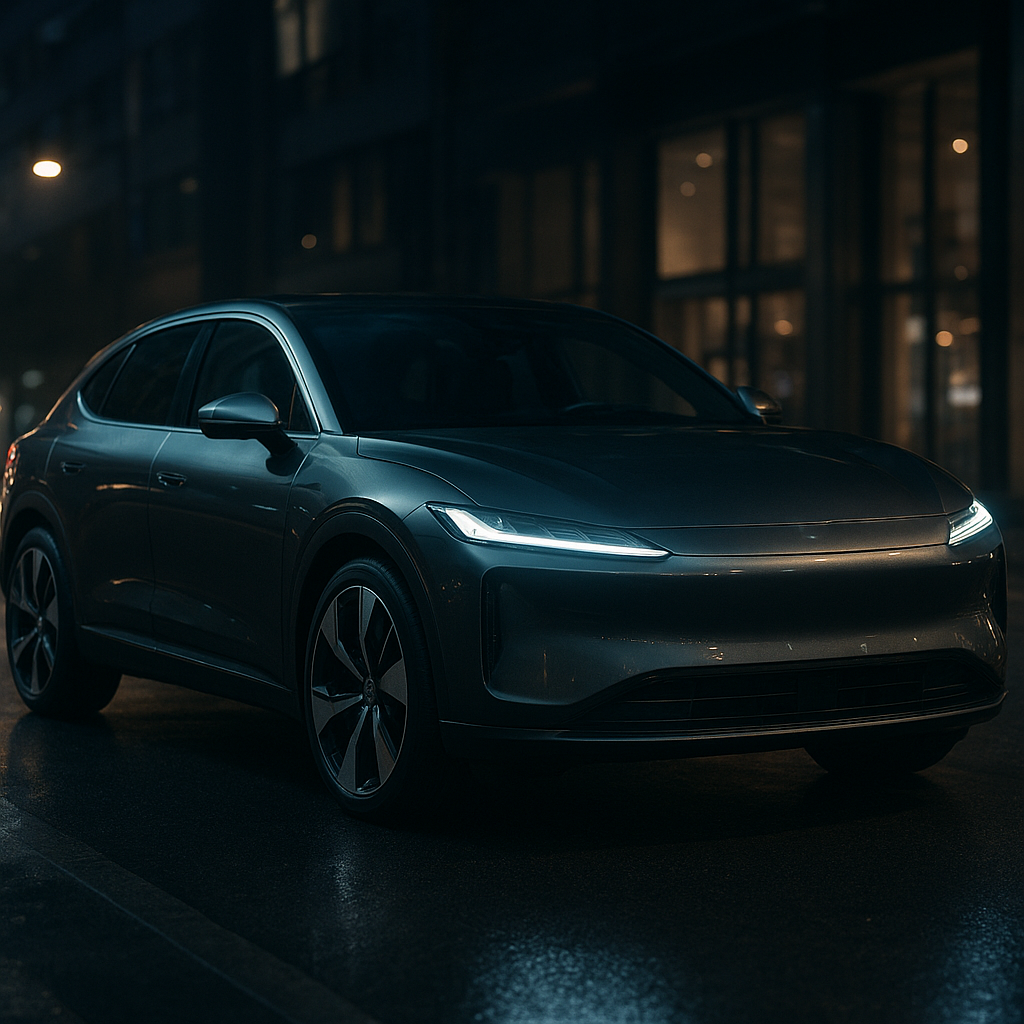
It is a high-performance luxury electric SUV from a 107-year-old marque. It pairs nearly 876 horsepower with a 0-60 mph time of 2.8 seconds, which is absurd in the best way. But raw speed is only the headline. The real product is a package of battery architecture, chassis tuning, premium materials, and the kind of cabin hush that makes old-school V12 buyers rethink their loyalties.
I have reviewed enough luxury machinery to know that numbers can lie by omission. A blistering launch means little if the steering feels numb, the suspension crashes over bad pavement, or the interior smells like a plastics aisle in a hurry. Frankly, that is where many expensive vehicles embarrass themselves.
A serious luxury SUV has to do more than go fast. It must carry its weight without feeling ponderous, brake with confidence, and still look elegant outside a hotel porte cochère. Beauty matters here, and not as decoration. Excellence should show itself in proportion, restraint, and care—ideas that sound old-fashioned because they are.
The Torcal S.U.V. also sits inside a wider shift in the luxury market. Electric performance has moved from proof-of-concept to status symbol. The buyer is no longer asking whether an EV can be quick. The buyer is asking whether it can feel special, justify its price, and make the owner feel the work of skilled hands behind the badge.
That is the crux. Not hype. Not slogans. Just serious engineering wearing a tailored suit.
Core Benefits and Importance
- Insane acceleration without tailpipe emissions. Nearly 876 hp and a 2.8-second sprint to 60 mph show that EVs can compete at the top end of the luxury performance market while cutting local exhaust output.
- Quiet authority. Electric drivetrains remove much of the mechanical racket that can cheapen a cabin. The result is a calmer, more composed experience, especially on long drives or when arriving at high-end hotels and restaurants.
- Heritage still matters. A 107-year-old marque brings identity, not just software. Buyers in this class often want proof that the maker has spent decades learning how to build desirable machines. Empty branding? Spare me.
- Lower routine maintenance. Compared with a high-strung combustion SUV, an EV can reduce some service needs. That does not make ownership cheap, but it can reduce the drama around oil changes, exhaust systems, and related wear items.
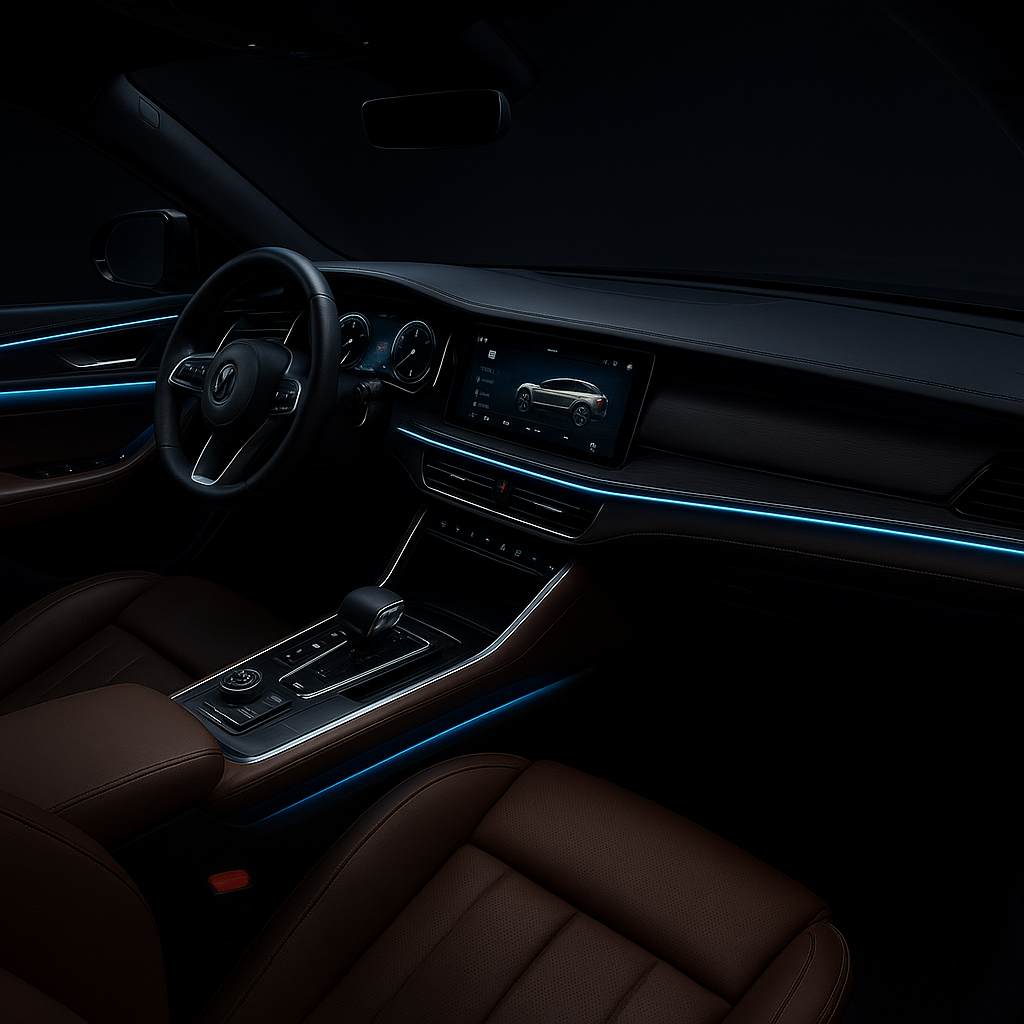
- Materials and craft become visible. When the drivetrain is quiet, the cabin is exposed. Stitching, leather quality, metal trim, switchgear, and seat design matter more. The better brands know this. The sloppy ones do not.
- Status with a conscience. Luxury used to be about excess for its own sake. Now, many buyers want indulgence with stewardship. That is not virtue signaling; it is common sense.
- Better fit for modern luxury travel. An elite EV SUV suits airport transfers, coastal hotels, and city-to-country weekends. It is not just a car. It is part of the itinerary.
The kicker is this: the best luxury products do not shout. They perform. A finely made object, whether it is a watch, a handbag, a yacht suite, or a grand touring SUV, reveals labor, discipline, and proportion. That is why these things command attention when they are done right.
Step-by-Step Guide to Evaluating a Luxury Electric SUV
- Start with the drivetrain, not the badge. I always check output, battery size, charging speed, and thermal management before I read the marketing copy. The badge can open the door, but the hardware decides whether the experience is real.
- Test the cabin in silence. Sit still. Listen. Luxury shows up in the absence of rattles, buzzes, and cheap trim squeaks. If the cabin sounds like a drawer full of cutlery over broken pavement, keep walking.
- Examine materials up close. Look at leather grain, metal finish, switch resistance, and the stitching path. Good craftsmanship is not subtle in the wrong sense; it is visible without needing a brochure to explain it.
- Drive it on bad roads. High horsepower is easy. Control is harder. I care about ride damping, body control, brake feel, and how the vehicle behaves at low speed in tight urban streets. That is where many heavy SUVs feel like expensive furniture on rollers.
- Check charging practicality. Range is one thing. Real-world charging access is another. If you can’t reliably charge at home, at work, or during travel, the ownership experience gets annoying fast.
- Compare brand service and ownership support. Luxury is not just the purchase. It is the upkeep, the software, the dealer experience, and the courtesy car when something goes sideways. A polished showroom means little if service is a mess.
- Measure whether it fits your life. A super-SUV makes sense for some buyers and looks ridiculous for others. Be honest. If your daily life is mostly traffic, errands, and hotel arrivals, the vehicle should feel gracious, not merely aggressive.
- Weigh emotional value against price. Luxury is partly rational and partly not. A premium object must justify itself through use, beauty, and longevity. If it feels empty after the first month, the price was cosmetic.
When I examine cars like this, I ask one blunt question: would I still admire it if I removed the horsepower figure? If the answer is yes, then the product has depth. If not, it is just a very fast advertisement.
Comparison Table
| Metric | Torcal S.U.V. | Biggest Competitor: High-Performance Luxury EV SUV |
|---|
| Power | Nearly 876 hp | Typically 600-800 hp |
| 0-60 mph | 2.8 seconds | Around 3.0-3.5 seconds |
| Emissions | Zero tailpipe emissions | Zero tailpipe emissions |
| Brand Heritage | 107-year-old marque | Often younger EV-first brand |
| Cabin Character | Quiet, premium, craft-focused | Tech-heavy, sometimes less tactile |
| Ownership Appeal | Heritage + performance | Software + novelty |
| Best For | Buyers wanting status and old-world cachet | Buyers prioritizing EV tech first |
The comparison is simple. The Torcal is not trying to be the newest idea. It is trying to be the most convincing one. That matters more than people admit.
Common Mistakes to Avoid
- Chasing horsepower alone. More power is fun. It is not enough. If the ride is harsh, the steering vague, or the cabin cheap-feeling, the car loses its point fast.
- Ignoring charging reality. A luxury EV without good charging access becomes a rich person’s headache. Nobody wants to plan around inconvenience dressed up as progress.
- Confusing screen count with quality. Big displays are not luxury by themselves. A beautiful control interface is better than a zoo of menus and glowing buttons.
- Buying for status, not use. This is where people get foolish. If the vehicle does not suit your roads, routines, or storage, the badge will not save you.
- Assuming all heritage is meaningful. Heritage can be real, or it can be embroidered mythology. I trust service records, design consistency, and build quality more than slogans about glory.
- Skipping the long test drive. A quick loop around the block tells you very little. Spend real time with it, on city streets and highways, preferably in bad weather if you can.
- Forgetting the human element. Luxury is made by people. Skilled engineers, upholsterers, designers, and technicians matter. That dignity of work shows up in the final object, whether the brochure knows it or not.
Frequently Asked Questions
Q1: Is a 2.8-second 0-60 time realistic in a luxury SUV?
Yes, for high-output electric performance SUVs, it is plausible when traction, battery output, and launch control are engineered properly. The trick is not just the sprint. It is repeatability.
Q2: Does zero-emissions mean low total environmental impact?
Not automatically. Battery production, materials sourcing, and electricity generation all matter. Still, zero tailpipe emissions are a meaningful improvement in urban driving and local air quality.
Q3: Why do buyers still care about heritage in EVs?
Because heritage suggests design discipline, brand identity, and long-term reputation. People do not buy luxury only for logic. They buy what feels worthy.
Q4: Are luxury EV SUVs better than gas-powered rivals?
Better in some respects, no question: instant torque, quietness, and lower tailpipe emissions. But range, charging access, and long-distance convenience still determine whether they truly fit a buyer’s life.
Final Thought
The Torcal S.U.V. is a sign that luxury performance no longer belongs to combustion alone. That is the real story. Not the glossy ad copy, not the noise around first deliveries, just the fact that a serious marque can build an object this fast, this quiet, and this carefully made.
And that is where luxury still earns respect. A fine machine should do more than cost a fortune. It should show order, restraint, and skill, the sort of craft that reminds you people still make excellent things with their hands and minds. That is worth admiring, frankly. Maybe even worth wanting.
Car and Driver Motor Authority Top Gear Autocar LuxuryLaunches