The Torcal S.U.V. shows where luxury cars are headed: quiet, fast, expensive, and stubbornly serious about engineering. A 107-year-old marque can now build a...
The Torcal S.U.V. and the New Face of Luxury Automotive Power
The Torcal S.U.V. shows where luxury cars are headed: quiet, fast, expensive, and stubbornly serious about engineering. A 107-year-old marque can now build a zero-emissions SUV with nearly 876 hp and a 0–60 mph time of 2.8 seconds. That sounds absurd until you remember luxury has always lived at the edge of excess and precision.
Key Takeaways- The Torcal S.U.V. pairs heritage with electric performance.
- Nearly 876 hp and 2.8 seconds to 60 mph put it in supercar territory.
- Luxury EVs now compete on craftsmanship, not just speed.
- Buyers should judge materials, range, software, and charging support.
- The real value is not bragging rights alone; it is usable excellence.
What is a luxury electric SUV?
A luxury electric SUV is not just a tall battery car with leather seats. It is a machine built to combine high-end materials, advanced power delivery, refined cabin isolation, and brand identity that carries real weight. The Torcal S.U.V. fits that mold because it is not trying to be merely practical. It is trying to be exceptional.
Frankly, most marketing copy around luxury EVs is polished nonsense. The truth is simpler. A proper luxury electric SUV must do four things well: move with authority, ride with composure, feel genuinely well made, and avoid the cheap tricks that plague many modern vehicles. If the controls feel flimsy or the software stutters, the whole spell breaks.
I have reviewed enough premium vehicles to know that horsepower alone is not luxury. It never was. Real luxury is coordination: materials, silence, throttle response, suspension tuning, and design restraint working together. That is why marques with deep heritage matter. They usually understand that excellence is not loud, even when the car is.
The Torcal S.U.V. also reflects a broader shift in high-end transport. Today, electrification is no longer only about compliance or efficiency. It is about rethinking speed, weight distribution, cabin calm, and the quality of motion itself. In that sense, the car is not simply a status object. It is a study in stewardship of engineering skill, a reminder that human craftsmanship can still produce beauty when directed toward something useful and well ordered.
For readers interested in adjacent luxury categories, the same logic appears in other segments too, whether it is a luxury watches article about finishing and complications, a luxury travel feature on private itineraries, or a fine jewelry guide where material quality matters more than slogans.
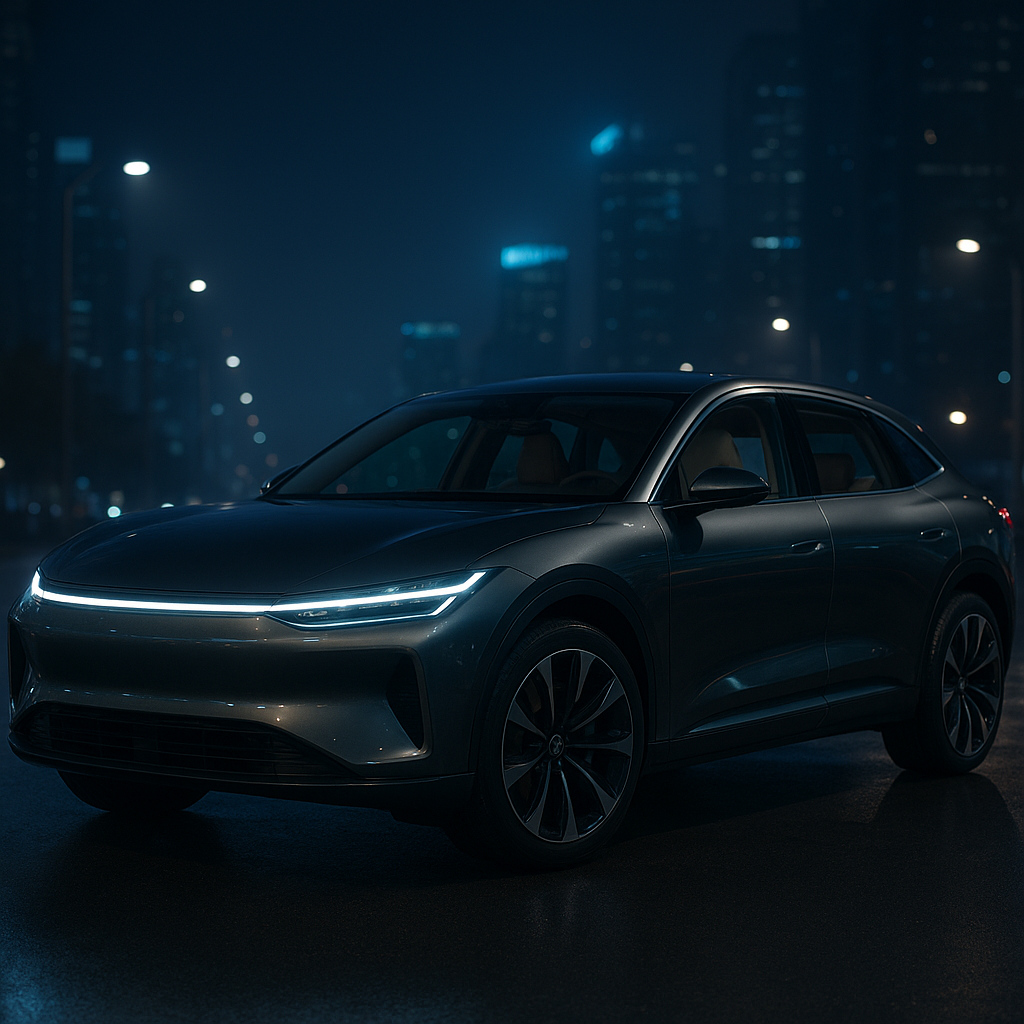
Core benefits of a high-end electric SUV
A luxury electric SUV earns attention for reasons that go beyond acceleration. The Torcal S.U.V. makes that obvious. It is fast, yes, but speed is only the first layer. The better question is whether the vehicle justifies its existence as a premium object. Here is where the benefits actually sit.
- Instant torque: Electric power delivers force without hesitation, which makes passing, merging, and high-speed cruising feel effortless.
- Cabin refinement: Without engine vibration, the interior can feel calmer, provided the maker has not ruined it with bad road noise insulation.
- Design freedom: EV packaging can allow more interior space and cleaner body lines, which is useful when done with restraint.
- Lower routine maintenance: Fewer moving parts can mean fewer service headaches, though luxury-brand software problems can replace mechanical ones.
- Prestige with a modern angle: A high-end EV signals taste and technical curiosity, not just old-world wealth.
Here’s the kicker: many buyers assume luxury means more stuff. Not always. Sometimes it means fewer distractions, better materials, and control surfaces that work as they should. That is a very old idea, and a sane one.
The Torcal S.U.V. also benefits from the emotional charge of contradiction. It is an SUV, a body style associated with utility, yet it can sprint to 60 mph in 2.8 seconds. That tension is part of the appeal. A serious luxury object should surprise you a little. Otherwise it is just an expensive appliance.
There is also a cultural benefit. Luxury vehicles like this keep traditional marques relevant in an era where software companies and battery suppliers can make everyone look alike. A century-old badge still means something if the engineering underneath is strong. If not, the badge is just decoration.
For context on how luxury brands preserve identity while adapting, see this brand heritage and modernity feature and this luxury market trends report. Both show the same pattern: legacy only matters when it produces something better today.
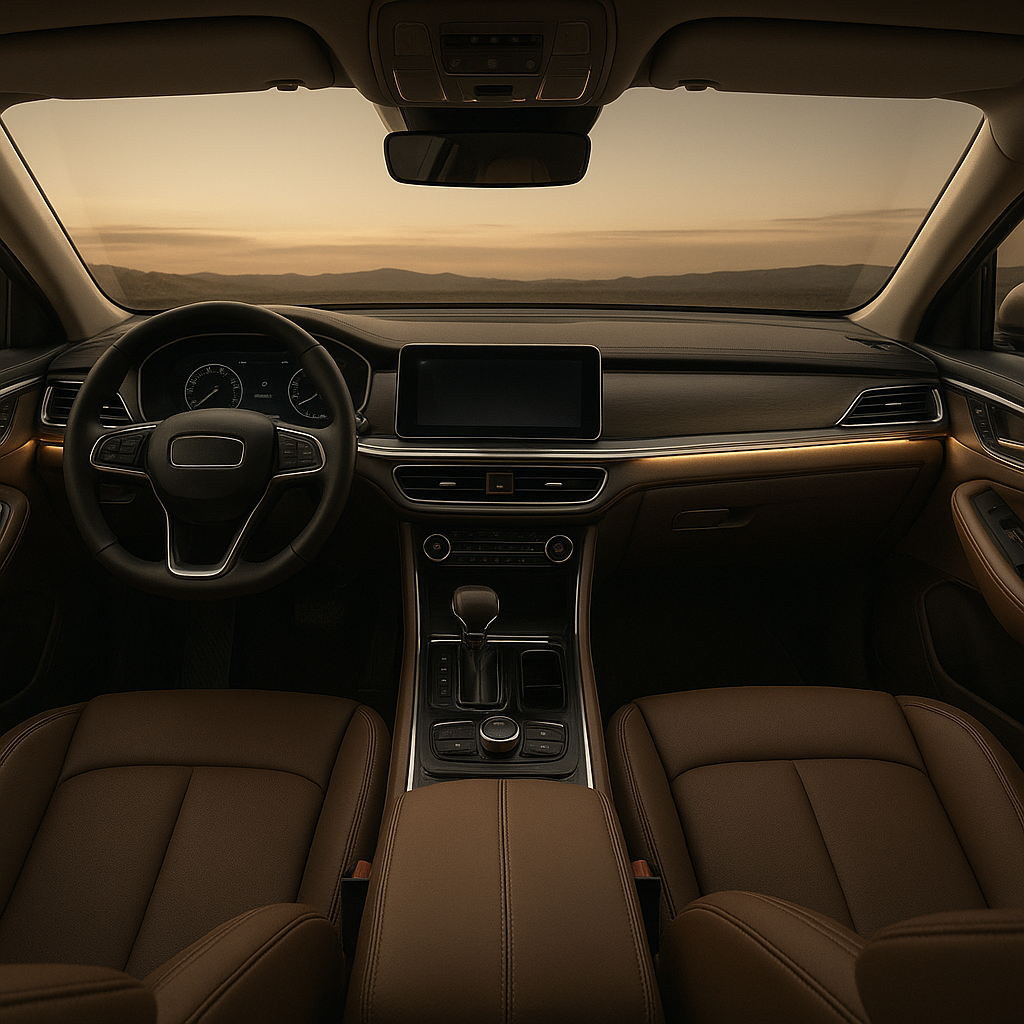
How to evaluate a luxury EV SUV
Choosing a vehicle like the Torcal S.U.V. is not hard if you know what to ignore. Most buyers get distracted by headline numbers, then forget the parts they live with every day. I have seen that mistake too many times. A four-second sprint is nice. Living with bad ergonomics is not.
- Check the real driving feel. Acceleration figures are useful, but the vehicle’s throttle mapping, brake feel, and steering calibration matter more in daily use. A premium SUV should feel composed, not twitchy.
- Inspect the cabin materials. Touch every surface. Leather, metal, wood, stitching, and switchgear should feel intentional. If plastics creak in a vehicle at this level, that is not a small issue. It is a failure.
- Review range and charging behavior. Range is not a brochure number. Look at highway efficiency, cold-weather performance, and charging curve consistency. A luxury EV should respect your time.
- Examine software quality. Screens are everywhere now, which means most brands have turned interior design into a slideshow. Bad menus and laggy updates ruin the experience. Smooth software is not a bonus. It is basic competence.
- Assess ride quality. Large wheels and aggressive tires often damage comfort. The best luxury SUVs preserve calm over broken pavement without feeling floaty or sloppy.
- Think about ownership support. Concierge service, service intervals, charging network access, and software support matter. Luxury without support is just a headache wrapped in Alcantara.
When I examined premium vehicles over the years, I learned that the smartest buyers ask boring questions. That is where the truth hides. Not in launch events. Not in drone footage. In the dull details nobody wants to discuss.
The Torcal S.U.V. should be judged on more than its 876 hp claim. Does it deliver a coherent driving experience? Does it feel worthy of the badge? Does it offer actual comfort, not just theatrical design? Those are the questions.
If you want more practical reading on how luxury should be assessed, the standards used in high-end hospitality and exclusive destinations reviews are oddly similar: service, detail, and consistency beat hype every time.
Torcal S.U.V. vs. its biggest competitor
Numbers matter, but only if they mean something. The Torcal S.U.V. enters a field crowded with electric luxury SUVs that promise performance, then hide behind software gloss. The comparison below shows where it stands against a typical flagship rival in the same price and prestige bracket.
| Feature | Torcal S.U.V. | Main Competitor: Flagship Electric SUV |
|---|
| Power | Nearly 876 hp | About 650 hp |
| 0–60 mph | 2.8 seconds | 3.5–3.8 seconds |
| Drivetrain | Zero-emissions EV | Zero-emissions EV |
| Brand Age | 107 years | Newer or less established |
| Cabin Focus | Craft, quiet, performance | Tech-heavy, comfort-oriented |
| Luxury Signal | Heritage plus speed | Innovation plus convenience |
| Ownership Appeal | Collector-grade status object | Broad mainstream prestige |
| Likely Weak Point | Cost and complexity | Less emotional character |
The table tells a simple story. The Torcal S.U.V. is not trying to win on usefulness alone. It is trying to win on identity, emotional force, and technical bragging rights. That is a legitimate strategy in luxury, where rational comparison only goes so far.
Still, buyers should be honest. If your priority is maximum practicality, a different SUV may make more sense. If your priority is a machine that feels like a rolling piece of industrial art, then the Torcal has the advantage. Not by a little. By a lot.
This is also where heritage matters. A seasoned marque usually knows how to make speed feel elegant rather than frantic. That distinction is subtle but important. One feels cultured. The other feels like a lab experiment on wheels.
Common mistakes to avoid
Luxury buyers make the same mistakes because brands keep feeding them the same stories. “More power” is not always better. “Exclusive” does not mean well built. “Technology” is not automatically useful. Let’s be real, marketing departments have bills to pay.
- Confusing speed with quality. A fast SUV can still ride badly, wear cheap materials, or suffer from poor software. Don’t let the sprint numbers blind you.
- Buying the badge, not the car. A famous name matters only if the product supports it. Heritage without execution is just old stationery.
- Ignoring charging realities. A luxury EV without convenient charging is a rich person’s inconvenience machine. Plan the infrastructure before signing anything.
- Overvaluing gimmicks. Retracting screens, light shows, and theater modes are fun for five minutes. Then you have to live with them.
- Neglecting service and software support. High-end ownership should reduce friction, not create it. Ask how updates, repairs, and roadside support are handled.
- Treating range as a single number. A quoted figure means little without understanding weather, speed, terrain, and passenger load.
I’ve seen too many buyers talk themselves into beautiful trouble. They fall for the showroom glow, then spend months tolerating annoying squeaks or clumsy interfaces. That is not luxury. That is self-deception with a warranty.
There is also a moral angle worth stating plainly. Good design respects the user. Good engineering respects the truth. Waste, pretense, and sloppy workmanship are not refined; they are just expensive failures. The best products, like the best institutions, should be ordered toward real service.
Frequently asked questions
Is the Torcal S.U.V. really a luxury vehicle or just a performance EV?
It is both. The performance is the headline, but the luxury test comes from materials, refinement, and brand execution. If the cabin and software are weak, the car fails the full exam.
Why does a zero-emissions SUV matter in luxury?
Because high-end buyers increasingly expect power without guilt and comfort without waste. A well-made EV can also showcase craftsmanship in a cleaner way than many traditional drivetrains.
Is 876 hp necessary in an SUV?
Necessary? Of course not. Luxury is rarely about necessity. The point is capability, prestige, and the emotional effect of commanding that much power in a heavy vehicle.
What should buyers compare before ordering one?
Range, charging speed, cabin quality, software stability, ride comfort, service support, and depreciation risk. The brochure will not tell you the annoying parts. You have to ask.
Final thought
The Torcal S.U.V. is not interesting because it is fast. Plenty of vehicles are fast now. It is interesting because it shows that a 107-year-old marque can still make something that feels serious, controlled, and unmistakably expensive in the best sense. That matters.
Luxury at its best is not about waste. It is about ordered excellence, the kind that makes use of skill, material, and time without apology. In a culture that often rewards noise and shortcuts, a machine built with discipline still feels almost radical. That is the real appeal. The speed is just the opening act.
Sometimes beauty in engineering points beyond itself. You see the care, the proportion, the refusal to cut corners, and you know someone actually meant it. That is rare enough to be worth paying attention to.
