The World’s Most Famous Painters: Five Artists Who Changed How We See
Vincent van Gogh, Leonardo da Vinci, Pablo Picasso, Michelangelo, and Claude Monet are among the most famous painters in history. Their reputations rest on more than recognizable pictures: each changed how artists handled color, form, perspective, light, or the human figure. Understanding what they actually did is more useful than treating fame as a league table.
These five artists are not a complete account of painting. They are a useful starting point because each offers a different answer to a basic question: what can a painted image do? A portrait can reveal character, a ceiling can command a room, a landscape can register a passing hour, and a fractured figure can challenge the viewer’s assumptions. The fame of these painters comes partly from the works themselves, but also from museums, collectors, scholarship, and the stories attached to their lives. Frankly, the romantic shorthand—tortured genius, divine prodigy, revolutionary outsider—often obscures the skilled labor behind the art. Looking closely gives that labor its due.
What Makes These Painters So Famous?
A famous painter is not simply someone who made attractive pictures. Lasting recognition usually grows from a combination of technical ability, a distinctive way of seeing, influential works, and an afterlife in public culture. These five painters satisfy those conditions in markedly different ways. Their careers also show that artistic achievement does not follow one tidy route: some worked under powerful patrons, some built reputations during their lifetimes, and some became household names only after death.
Leonardo da Vinci (1452–1519) was a painter, engineer, anatomist, and observer of the natural world. His surviving paintings are few, which makes each one especially consequential. The Mona Lisa is famous not only for its sitter but for Leonardo’s delicate transitions of tone, atmospheric background, and carefully managed ambiguity. The Louvre’s account of the painting offers useful context for the work’s history and place in the collection. His The Last Supper, painted in Milan, uses perspective and gesture to organize a charged human moment. Leonardo’s method suggests that close looking and intellectual curiosity can reinforce one another.
Michelangelo (1475–1564) is often introduced first as a sculptor, and rightly so, but his painting is central to his renown. The Sistine Chapel ceiling turns biblical scenes into a vast sequence of muscular, alert figures. Its scale is impressive; its human presence is more so. The Vatican Museums’ overview of the chapel explains the setting and the work’s importance. Michelangelo’s bodies appear to carry moral and emotional weight, not merely anatomical detail.
Vincent van Gogh (1853–1890) made paintings whose colors and marks seem to move. He used deliberate, visible brushstrokes and strong contrasts to shape a scene’s emotional temperature. The Starry Night, Sunflowers, and his portraits are now widely reproduced, yet reproduction cannot fully convey the paint’s surface or scale. The Van Gogh Museum’s biography and collection material help place the artist’s work within his life rather than reducing it to a legend of suffering.
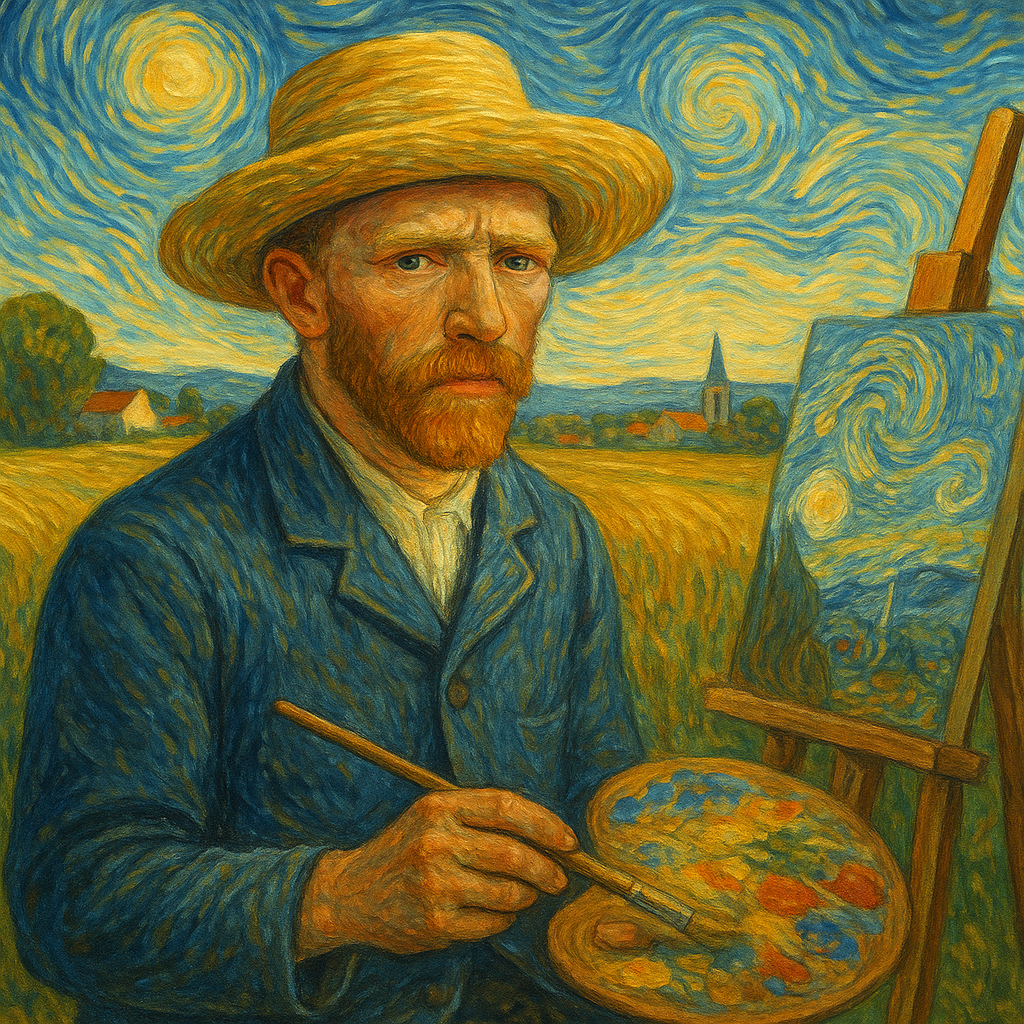
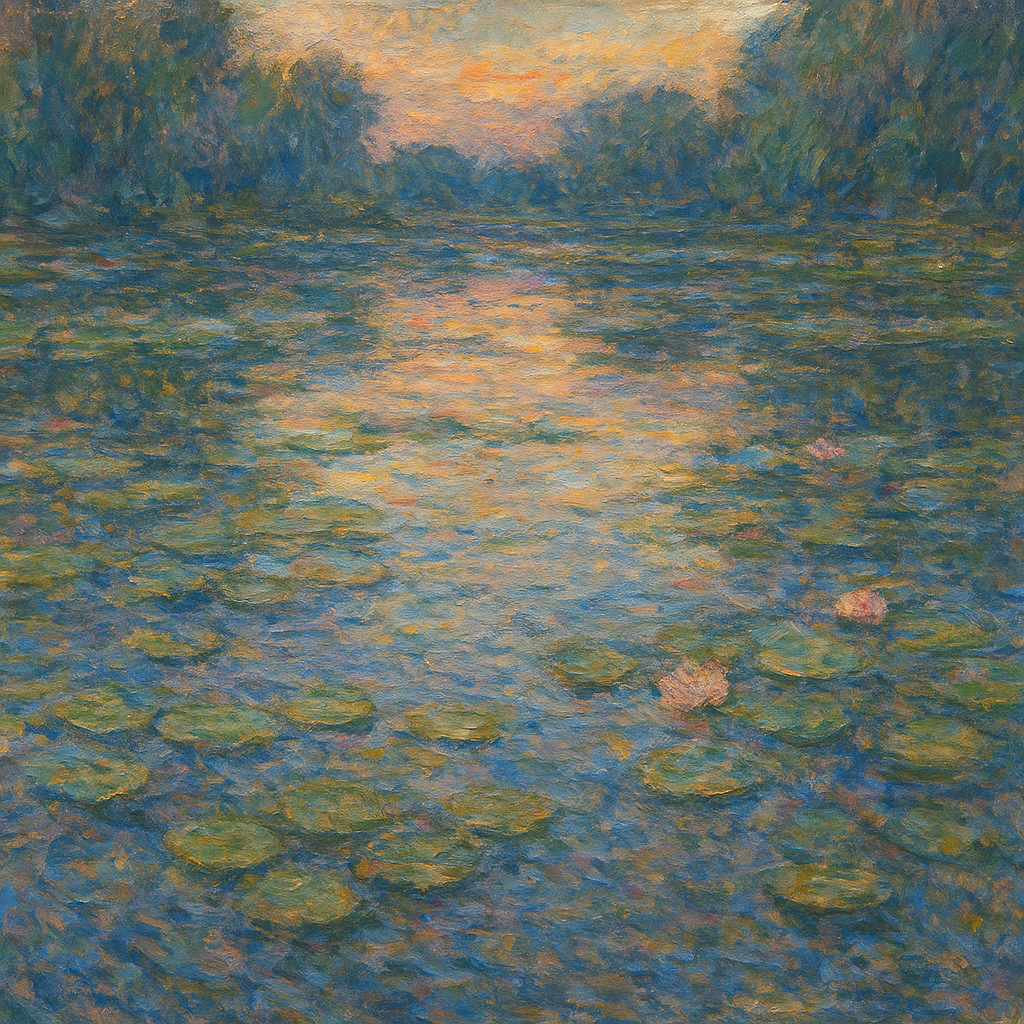
Claude Monet (1840–1926) helped establish Impressionism, a movement interested in modern life, open-air painting, and the effects of light. His repeated studies of haystacks, Rouen Cathedral, and water lilies show that a familiar subject can change when the hour, weather, or viewing conditions change. Pablo Picasso (1881–1973), meanwhile, moved through several artistic phases and helped develop Cubism with Georges Braque. He broke forms into shifting planes and viewpoints, forcing viewers to reconsider how a picture represents space. These careers differ, but all five made choices that later painters had to confront.
Why Their Work Still Matters
The importance of these artists is not that every painting is a masterpiece or that their reputations should never be questioned. It is that their work remains useful: it lets viewers examine how images are made, how art responds to its time, and how a visual language can change. When I compare the five, I look less for a single winner than for the particular problem each artist solved.
- They expanded what technique could communicate. Leonardo’s soft transitions produce a convincing sense of atmosphere and inwardness. Van Gogh’s emphatic strokes make paint itself part of the subject. Monet’s broken touches register light as something changing, not fixed. Picasso’s altered viewpoints challenge the idea that a single, stable perspective is the only honest way to depict an object.
- They reward direct looking. Familiarity can flatten a painting into a postcard. Stand before a work, if possible, and inspect its edges, scale, surface, and composition. Notice where the eye goes first, how it travels, and what the artist leaves unresolved. The difference between seeing an image online and spending time with the actual object can be considerable.
- They reveal the conditions of art-making. Leonardo and Michelangelo worked within systems of patronage and religious commissions. Monet pursued subjects shaped by the modern city and the changing countryside. Picasso’s career crossed major social and political upheavals. Van Gogh’s correspondence offers unusually detailed evidence of his working habits and artistic aims. None of them created in a vacuum.
- They show the value of disciplined craft. A finished painting may look spontaneous, but the artist’s decisions about drawing, pigment, composition, and revision are rarely casual. Large commissions involved demanding physical work and organization. The dignity of skilled work is visible in those decisions. Beauty can point beyond mere decoration—to order, attention, and the possibility that the world deserves patient regard.
- They help viewers separate quality from price. Works by major artists can command extraordinary sums, but auction results are not a reliable guide to artistic merit. Rarity, ownership history, condition, demand, and the prestige of the seller all influence a price. A museum visit, a good catalogue, or a serious book can provide more lasting value than chasing investment claims.
- They connect art history to ordinary life. Monet makes a person notice the color of evening light. Van Gogh can make a chair or vase feel newly present. Leonardo’s portraits invite questions about expression and identity. The work matters not only because it hangs in famous institutions, but because it changes what viewers notice after they leave.
Here’s the kicker: fame can make an artist seem inevitable. It wasn’t. These painters worked through apprenticeship, commissions, rejection, competition, revisions, and the constraints of their periods. Their achievement is impressive partly because it was made under real conditions, not outside history.
A Practical Guide to Looking at Their Paintings
You do not need specialist training to look carefully. A small amount of structure helps, though. I recommend starting with what is visible before reaching for a grand interpretation. That simple order reduces the temptation to repeat familiar slogans without noticing what the painting is doing.
- Begin with the whole image. Take in the painting from a comfortable distance. Ask what holds your attention first: a face, a bright color, a gesture, or an empty area. Do not rush to identify the subject. A composition can guide the eye before the viewer knows the story.
- Notice the materials and surface. Look for smooth passages, textured marks, thin glazes, thick paint, or evidence of revision. Van Gogh’s energetic brushwork is not a decorative flourish; it contributes to the image’s structure and feeling. Leonardo’s subtle shading can be difficult to see in reproductions because its effect depends on delicate transitions.
- Track light and color. Ask where the light seems to come from and whether the colors describe natural appearances, emotional emphasis, or both. Monet’s changing series are especially useful here. Compare two views of a similar subject and notice how the palette and atmosphere shift.
- Study the figures and gestures. In a religious scene or portrait, pay attention to hands, posture, eye direction, and the spaces between people. Michelangelo’s figures often communicate through movement and physical tension. Leonardo’s figures can suggest thought through restrained expression. Small details may carry more meaning than a dramatic central pose.
- Ask how space is constructed. Does the painting use a single viewpoint, a strong horizon, overlapping forms, or flattened areas? Picasso’s Cubist work deliberately unsettles conventional perspective. Leonardo’s The Last Supper uses perspective to draw the viewer into a carefully arranged room. Different solutions are not simply better or worse; they serve different aims.
- Read the label, then look again. The title, date, medium, and commission can clarify what you are seeing. Read the information after your first look so it informs rather than replaces observation. Museum records and scholarly catalogues are more dependable than viral captions, which often distort an artist’s life or a painting’s meaning.
- Compare works without making a contest of it. Put Monet beside Van Gogh, for instance, and ask how each handles color and visible marks. Compare Leonardo with Michelangelo on the human figure, while remembering that their subjects and commissions differ. A comparison should sharpen attention, not produce a simplistic ranking.
- Allow uncertainty. Not every symbol has a settled explanation, and not every viewer needs to arrive at one definitive reading. Good looking can include unanswered questions. That is not a failure of expertise; it is part of how complex images keep their hold.
For anyone planning a museum visit, choose a few works rather than trying to see everything in one afternoon. Read a reliable museum guide in advance, then leave enough time to stand quietly in front of the objects. The point is not to prove that you know art history. It is to notice more than you did before.
Comparison: Van Gogh and Leonardo da Vinci
Leonardo is the most useful point of comparison for Van Gogh because their public reputations often sit side by side, although their methods, working conditions, and historical periods are very different. One is associated with careful observation and controlled transitions; the other with expressive marks and heightened color. Neither description tells the whole story, but the contrast makes their distinctive strengths easier to see.
| Feature | Vincent van Gogh | Leonardo da Vinci |
|---|
| Period | Post-Impressionism, late nineteenth century | Renaissance, late fifteenth and early sixteenth centuries |
| Best-known works | The Starry Night, Sunflowers, The Bedroom | Mona Lisa, The Last Supper, Virgin of the Rocks |
| Visual approach | Visible, directional brushwork; intense color contrasts | Subtle tonal transitions; carefully observed forms and atmosphere |
| Main artistic effect | A heightened sense of movement, mood, and presence | A sense of depth, psychological restraint, and observation |
| Career during lifetime | Sold few paintings and faced substantial hardship | Worked for influential patrons and received major commissions |
| Later reputation | Became a defining figure in modern art after his death | Became a lasting symbol of Renaissance intellectual and artistic achievement |
| What viewers can study | Surface, color, and the emotional force of ordinary subjects | Perspective, expression, composition, and the relationship between art and inquiry |
The comparison is not a verdict. Leonardo was not merely cerebral, and Van Gogh was not merely emotional. Both observed carefully; they simply made different choices about how to translate observation into paint. The table also shows why fame is a poor substitute for context. Their careers unfolded centuries apart, under different systems of patronage and different expectations of what painting should accomplish.
A similar comparison can be made between Monet and Van Gogh. Both made the handling of paint conspicuous, but Monet often pursued shifting optical effects, while Van Gogh used color and stroke with a more insistent expressive force. Picasso and Michelangelo offer another contrast: Picasso dismantled familiar forms across a changing modern career, while Michelangelo made the figure monumental within Renaissance religious and civic culture. These pairings help, provided they remain starting points rather than tidy labels.
Common Mistakes to Avoid
The familiar stories are tempting. They are also frequently wrong, oversimplified, or beside the point. A useful approach to famous painters requires a little skepticism toward the way art is packaged for quick consumption.
- Treating fame as proof of universal superiority. These five are famous, but they do not represent every important painter, region, or tradition. The canon reflects centuries of collecting, education, access, and institutional attention. Other artists, including women and artists outside Europe, have often received less recognition than their work merits. A list is a doorway, not the whole house.
- Reducing the artist to a dramatic biography. Van Gogh’s mental and physical suffering is part of his history, but it should not become a romantic explanation for every brushstroke. He was a thoughtful, hardworking artist who studied, experimented, wrote, and revised. Similarly, Picasso’s complex personal life should not be used as a shortcut for interpreting every work. Biography can add context; it cannot replace looking.
- Assuming a famous painting was made in one sudden burst. The story of an inspired genius can hide preparation, practice, assistance, and revision. Large commissions involved demanding physical work and organization. Paintings also required materials, time, and often collaboration within workshops. Remembering the labor does not diminish artistic talent; it makes the accomplishment more intelligible.
- Confusing realism with skill. A picture can depart from natural appearance and still be technically exact in its own terms. Picasso’s fractured forms are not evidence that he forgot how to draw. Monet’s loose marks do not mean he failed to finish. Judge the choices by their purpose, not by whether they imitate a photograph.
- Trusting every online anecdote. Stories about hidden symbols, secret messages, and dramatic last words travel quickly because they are easy to repeat. Check dates, provenance, and interpretation against museum or scholarly sources. The Van Gogh Museum, the Louvre, and the Vatican Museums are sensible places to begin for works in their collections.
- Using auction prices as a quality score. A record-setting sale may reflect scarcity, competition among wealthy buyers, a famous provenance, or market strategy. It does not establish that the work is objectively better than a painting that never reaches auction. Treat valuation and art-historical importance as separate questions.
- Expecting every painting to explain itself immediately. Some works make an instant impression; others require context or repeated viewing. Do not pretend to understand a painting because its name is famous. Equally, do not assume that confusion means the work has nothing to offer. Look again, read carefully, and be willing to revise your first reaction.
- Seeing the artist as a lone genius. Artistic careers depend on teachers, assistants, patrons, materials, institutions, and audiences. A painter’s originality can be real without pretending it emerged from nowhere. Giving credit to the surrounding network is both more accurate and fairer to the people whose labor helped bring artworks into being.
Let's be real: a famous name can make a weak interpretation sound authoritative. Stay with the evidence—the painting, its documented history, and trustworthy scholarship—and the conversation improves quickly.
Frequently Asked Questions
Who is the most famous painter in the world?
There is no objective ranking, because fame changes by country, generation, and measure. Leonardo da Vinci is often named because the Mona Lisa is among the most widely recognized paintings in the world. Van Gogh, Picasso, Michelangelo, and Monet are also widely known. Recognition, influence, and artistic achievement overlap, but they are not identical.
Why is Vincent van Gogh so famous?
Van Gogh is known for expressive color, visible brushwork, and paintings that make familiar subjects feel unusually vivid. His letters also give readers a detailed view of his thoughts about art and work. The dramatic story of his life has contributed to public interest, but it should not eclipse the paintings or his sustained study and effort.
Who was more important, Leonardo da Vinci or Michelangelo?
Both were major Renaissance artists, but the question forces unlike achievements into a single contest. Leonardo combined painting with wide-ranging scientific and technical inquiry, while Michelangelo made monumental works in painting, sculpture, and architecture. Their reputations reflect different strengths, patrons, and bodies of surviving work. Comparing them is more revealing than declaring one the winner.
What is the difference between Monet and Van Gogh?
Monet is closely associated with Impressionism and the changing effects of light, often explored through repeated views of a subject. Van Gogh, a Post-Impressionist, used strong color and directional brushwork to give scenes heightened expressive force. These labels are useful, not absolute: both artists experimented, and neither can be reduced to a single technique.
Is Picasso’s work difficult to understand?
It can be challenging if viewers expect every picture to imitate ordinary vision. Cubism shows objects from multiple viewpoints and rearranges forms on a flat surface. Start by noticing the shapes, repetitions, and relationships in the composition rather than asking whether it looks realistic. A museum label or introductory guide can supply helpful historical context, but close observation still matters most.
Final Thought
The five painters named in the original list became famous for different reasons, and none should be reduced to a single image or slogan. Leonardo’s searching observation, Michelangelo’s monumental human figures, Van Gogh’s vigorous marks, Monet’s attention to light, and Picasso’s repeated reinvention are not competing answers to one question. They are distinct proposals about what painting can reveal.
Their work also offers a practical lesson. Looking well takes time. It asks for patience with materials, curiosity about history, and respect for the many hours of skilled work that a finished canvas can conceal. A painting may be beautiful, unsettling, technically ingenious, or all three; its value need not depend on a market estimate or a famous name. When art is approached with care, beauty becomes more than an ornament—it can sharpen attention to the world and to the hands that shaped it.
Start with one painting. Look before reading the label, then look again after you know its date, subject, and setting. Notice what changes in your understanding. That modest practice is more useful than memorizing a ranking, and far more rewarding than repeating the same old story about genius. The best reason to know these painters is not that everyone else does. It is that their work can teach the eye to see with greater precision, generosity, and wonder.