A $68 million penthouse is not just a big number. It is a blunt signal about how luxury real estate works at the very top end, where location, privacy, design...
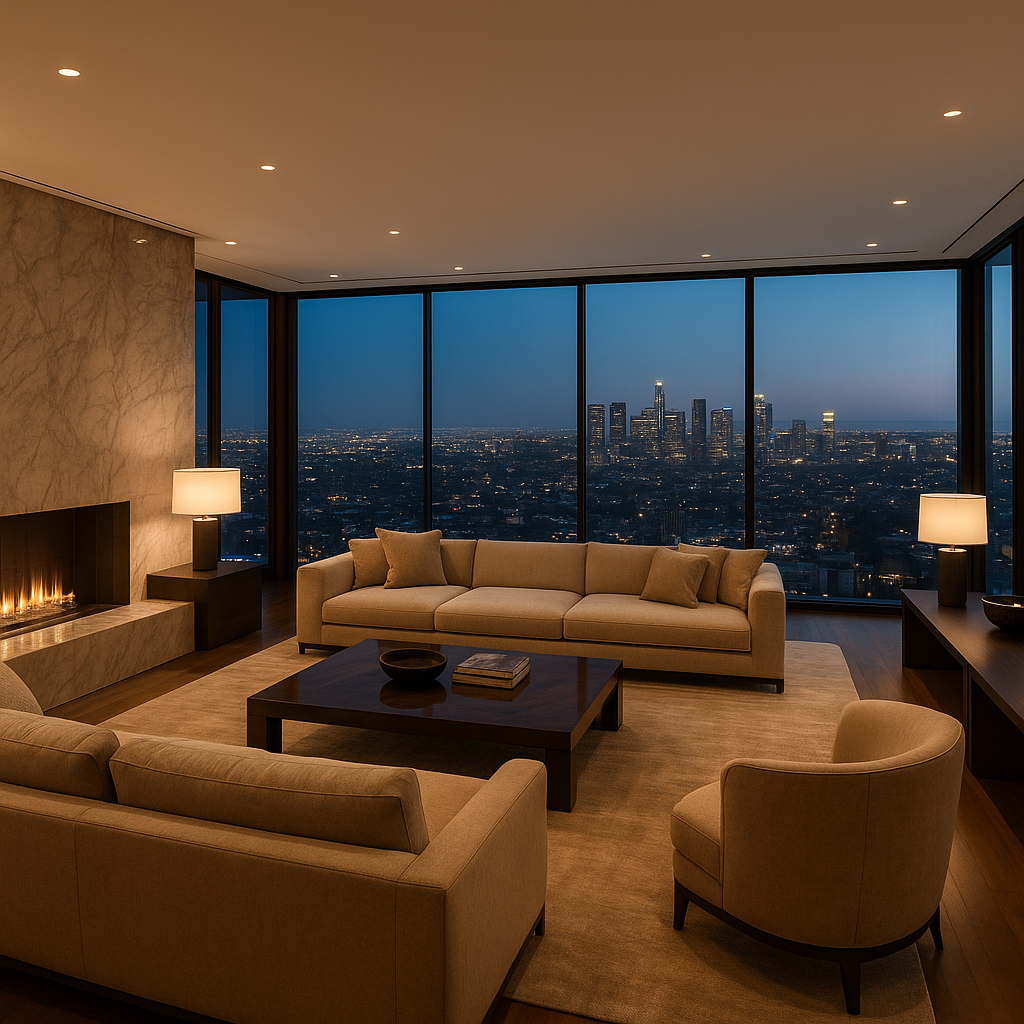
A $68 million penthouse is not just a big number. It is a blunt signal about how luxury real estate works at the very top end, where location, privacy, design, and turnkey ease matter more than square footage alone. The Eterna Residence in Century City sits in that rare bracket, where a home is sold less like an apartment and more like a finished work of civic art, wrapped in views, materials, and the quiet arrogance of absolute convenience.
Frankly, most people talk about luxury as if it were perfume sprayed over mediocrity. This is different. A record-setting condo in Los Angeles has to justify itself with more than polish; it needs craftsmanship, restraint, and a degree of architectural discipline that says the owner values beauty without being foolish about it. If you have ever seen a room ruined by money and bad taste, you know the difference. Here, the point is not excess for its own sake. It is stewardship, the old-fashioned idea that good things should be made well, kept well, and used with discernment.
Key Takeaways- The Eterna Residence is positioned as a possible new high-water mark for Los Angeles condo pricing.
- Turnkey luxury sells because the richest buyers want time, privacy, and certainty more than clutter.
- In ultra-prime homes, design quality and materials matter as much as address.
- Buyers at this level are purchasing a lifestyle package, not just rooms.
- The strongest luxury properties combine beauty, function, and long-term value.
What is This $68 Million L.A. Penthouse?
It is extreme real estate. The Eterna Residence is an ultra-luxury Century City penthouse offered turnkey, meaning the buyer gets a fully finished home rather than a shell requiring years of contractors, approvals, and headaches. That matters because at this level, time is not an abstract concept. It is a scarce asset, and rich people with sense do not want to spend it choosing grout.
I have reviewed enough luxury homes to say this plainly: turnkey is not a gimmick when the interior execution is disciplined, the materials are legitimate, and the design language is coherent from foyer to terrace. What you are really buying is completed intent.
Century City also carries a specific kind of status. It is not merely central; it is organized, polished, and close to the power corridors of Los Angeles without the noise and spectacle that cling to flashier addresses. That makes it attractive to people who want access without theater.
The city’s luxury market has seen plenty of trophy listings, but a penthouse of this scale needs more than celebrity bait. It needs a believable case for why a buyer should part with $68 million. The answer usually includes rare views, a clean building pedigree, privacy, top-tier amenities, and an interior that does not look like a committee designed it after too much champagne.
There is also a moral dimension, if one cares to admit it. A well-made home reflects order, human skill, and the dignity of labor. Not sermons. Just facts. Beautiful rooms can point beyond vanity when they are made with discipline rather than greed. That distinction matters.
If you want a useful point of reference, the broader luxury conversation around homes, wellness, and design is covered well in Architectural Digest and The Robb Report. What separates a lasting residence from a loud one? The answer is almost always restraint.
Core Benefits and Why Buyers Care
Luxury buyers are not stupid. Most of the time, they are impatient. That is the real market force here.
- Turnkey convenience saves months, sometimes years, of decision fatigue, permit wrangling, and contractor chaos. At $68 million, no serious buyer wants a construction project masquerading as a home.
- Privacy is a major asset in Los Angeles, where visibility can be a burden. High-rise living with strong security and controlled access is worth a premium because it reduces friction.
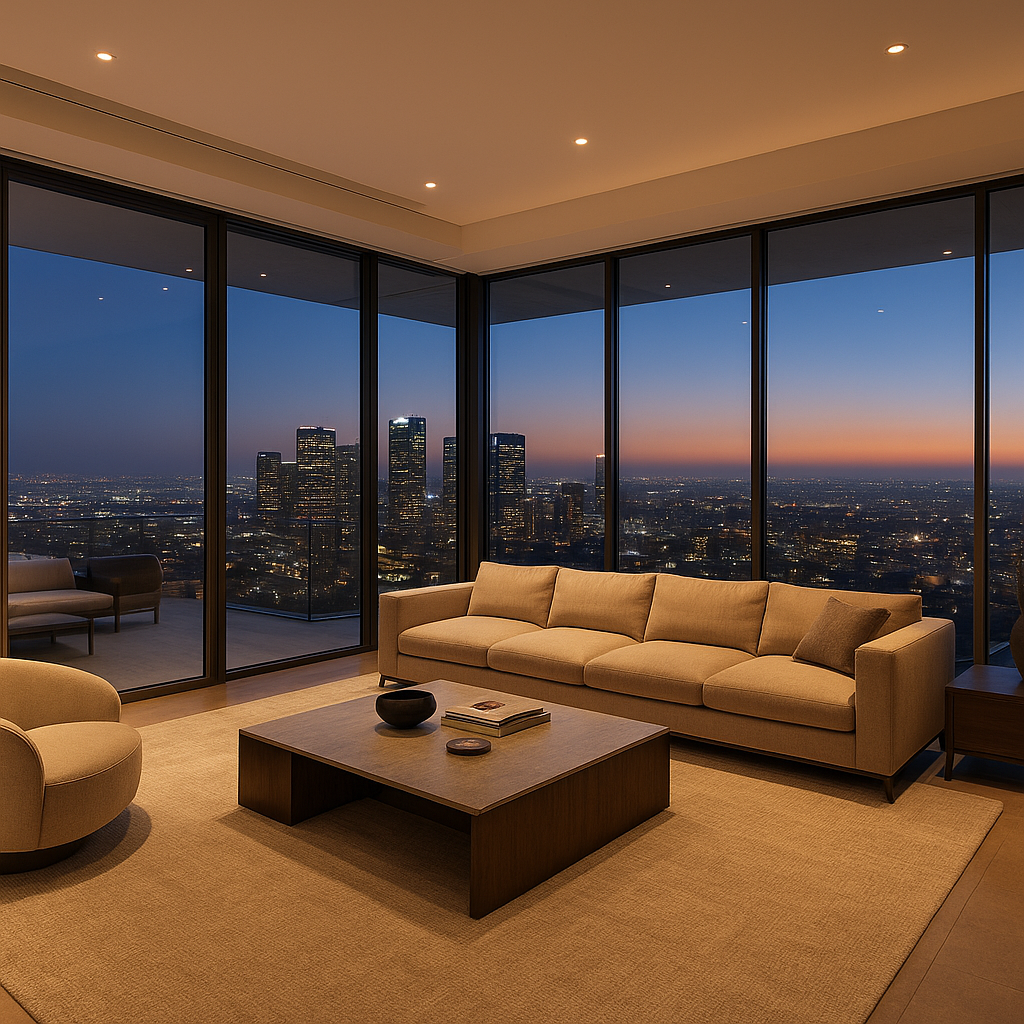
- Views and elevation carry emotional weight. A penthouse often sells the feeling of command over the city, and yes, people pay for that feeling.
- Design quality separates true luxury from expensive clutter. Materials, proportion, lighting, and flow matter because they shape daily life, not just photographs.
- Resale potential is better for homes with record-setting rarity and strong provenance. The truth is, trophy properties can hold value when they are scarce and correctly positioned.
- Lifestyle efficiency matters more than scale. Buyers want a place that works for travel-heavy schedules, entertaining, and quiet recovery between obligations.
Here is the kicker. Most luxury marketing obsesses over square footage, but that is the least interesting part of the story. A vast room with poor light is still a bad room. An ordinary layout with excellent flow, high ceilings, and honest materials can feel far more expensive than a bigger but sloppier space. I have seen buyers walk through a glossy mansion and lose interest in thirty seconds because the bones were weak. Money cannot fix bad planning.
There is also the prestige factor, but not the cartoon version. A home like this signals discernment more than swagger, at least when the buyer has taste. The right residence supports an entire rhythm of life: hosting with ease, storing art properly, sleeping quietly, stepping from private quarters to shared spaces without friction. That is not trivial. It is the architecture of a sane life at the top.
For buyers interested in the broader standard of luxury hospitality and service that influences residential expectations, this kind of thinking is echoed in Forbes Travel Guide and Departures, where privacy, service, and material quality are treated as essentials rather than decoration. What actually justifies the premium? Comfort, certainty, and craftsmanship. Nothing mystical about it.
Step-by-Step Guide to Evaluating a Trophy Penthouse
Buying a penthouse like The Eterna Residence is not the same as buying a house in the hills or a pied-à-terre in Manhattan. It is a different game, and the stakes are uglier if you buy badly. The process should be methodical, not romantic. Romance is for the brochure.
- Inspect the building first. The unit matters, obviously, but the building is the container. Look at security, staffing, service standards, reserve funding, and the reputation of the developer. I always start there because bad governance ruins luxury faster than bad wallpaper.
- Study the floor plan, not just the imagery. Photos lie by omission. You need to understand circulation, sightlines, natural light, ceiling heights, and how private and public spaces interact. Good penthouses feel calm because the plan works.
- Evaluate materials with a skeptic’s eye. Marble is not automatically noble, and wood does not become virtuous just because it is expensive. Check finish quality, joinery, hardware, acoustics, and how the home will age. Cheap luxury always shows itself later.
- Assess the turnkey package honestly. Ask what is included. Furniture? Custom millwork? Art placement? Lighting design? A turnkey claim means little if the contents are generic or the style is overcooked.
- Consider privacy and access. Elevator security, staff circulation, guest entry, and discrete arrivals matter a great deal. In ultra-prime real estate, frictionless movement is a luxury all by itself.
- Review comparable sales carefully. $68 million needs context. Compare the residence to recent top-tier condo and penthouse transactions in Los Angeles, not to suburban mansions or speculative wishcasting. Data beats fantasy every time.
- Think about daily use, not only resale. A home should fit real habits: hosting dinner, working quietly, storing collections, resting well, and leaving for the airport without chaos. The best luxury properties serve ordinary life beautifully.
When I examined high-end properties over the years, the pattern was obvious: the best purchases are not the loudest. They are the ones that make difficult lives simpler. That is not a slogan. It is just common sense, and common sense is rarer than imported stone in some of these listings.
If you want a useful external benchmark for interior standards, materials, and high-end design trends, Dezeen and Wallpaper* cover the wider world of architecture and design with enough seriousness to be useful. What does a smart buyer focus on? Structure, service, and sobriety.
Comparison Table: Ultra-Luxury Penthouse vs. Trophy Mansion
| Feature | Century City Penthouse Like The Eterna Residence | Trophy Mansion in the Hills |
|---|
| Privacy | High, with controlled building access and vertical separation | High, but often depends on gates, staff, and lot design |
| Convenience | Very strong, especially turnkey and lock-and-leave living | Strong, but more maintenance and oversight required |
| Views | Often panoramic, citywide, and architecturally framed | Can be dramatic, but tree cover and lot position vary |
| Security | Building-based security and concierge systems | Perimeter-based security; more variables to manage |
| Maintenance | Usually more efficient due to shared building services | More complex, with exterior and grounds upkeep |
| Entertaining | Elegant for intimate, formal gatherings | Better for large-scale events and indoor-outdoor flow |
| Status Signal | Rare, refined, urban sophistication | Classic celebrity wealth and land ownership |
| Resale Pool | Narrower, but highly targeted | Wider, but also more dependent on lot, architecture, and location |
The table tells the story. Different assets, different buyers.
A penthouse sells urban command, efficiency, and discretion. A mansion sells land, spread, and a kind of old-school dominance. One is not automatically superior. Frankly, the wrong buyer can ruin either. The practical distinction is this: if you live a global, travel-heavy life and hate maintenance, the penthouse usually wins. If you crave estate scale and open-air entertaining, the house still has the edge.
I would not pretend the comparison is purely financial, because it is not. Style matters. So does discipline. A vertically oriented residence says the owner values proximity, service, and control over the day. That is a different moral posture from sprawling acreage. Neither is sinful. One is simply more suited to a person who sees luxury as quiet mastery rather than spectacle.
Common Mistakes to Avoid
People make dumb decisions in luxury real estate all the time. The money just makes the mistake larger.
- Buying the headline, not the home. A record price can seduce weak minds. Do not confuse notoriety with quality. Some listings are just expensive press releases.
- Ignoring operating costs. HOA dues, staff, insurance, taxes, and building reserves are not footnotes. At this level, carrying costs can be savage if you ignore them.
- Falling for flashy staging. Overstyled rooms often hide awkward layouts or mediocre bones. Good design should feel inevitable, not theatrical.
- Overvaluing brand names. Yes, a famous designer can help. No, a famous name does not rescue bad proportion or cheap execution. That myth needs to die.
- Skipping due diligence on the building. Reputation matters. Litigation history, governance issues, and service quality can wreck an otherwise gorgeous residence.
- Confusing rarity with good taste. Rare is not the same as refined. There are rare mistakes too, and they are often expensive.
Here is what nobody tells you: some ultra-luxury homes are priced for ego, not value. That does not mean they are bad, but it does mean the buyer should know exactly what is being purchased. A view can be replicated in a few markets. Real quality cannot. One is scenery; the other is structure.
And please, let’s be real, if the marble looks loud, the fixtures are over-bright, and every room screams for attention, the place is trying too hard. Luxury should read as calm competence. The best homes do not shout. They settle the room.
For readers who want broader context on the resale logic and market behavior of luxury housing, Mansion Global and The Wall Street Journal’s real estate coverage are useful references. What is the biggest mistake? Paying for spectacle and forgetting substance.
Frequently Asked Questions
Is a $68 million penthouse a good investment?
It can be, but only if the property is truly rare, well located, and impeccably built. Ultra-prime homes are not ordinary investments; they behave more like collectible assets. That means the exit market is narrow, and quality matters more than hype. Buyers should expect long holding periods and should value utility as much as appreciation.
Why do wealthy buyers prefer turnkey homes?
Because time is valuable, and construction stress is tedious. Turnkey homes reduce friction, limit decision fatigue, and allow immediate use. For many buyers, the ability to move in and live well matters more than customizing every hinge and handle. That is practical, not lazy.
What makes Century City attractive for luxury buyers?
Century City offers a central Los Angeles location, strong security, modern high-rise living, and close access to business, dining, and entertainment. It appeals to buyers who want urban convenience without the messier side of some other premium neighborhoods. That combination is not common.
How do I judge whether a luxury penthouse is overpriced?
Compare it to recent sales, assess the building’s quality, check the floor plan and finishes, and evaluate scarcity honestly. A top-tier price can be justified by views, service, privacy, and architectural quality, but none of those excuses a sloppy home. The market is not sentimental.
Final Thought
The Eterna Residence is interesting because it sits at the intersection of wealth, design, and restraint. That is harder to pull off than it sounds. A truly refined home does not merely display resources; it orders them toward a better life, with light, proportion, and quiet service doing more work than any gold leaf ever could. Beauty is not the enemy of practicality. It is what practical things become when human labor is treated with respect.
I have seen enough expensive properties to know that the best ones feel almost suspiciously calm. They do not beg for attention. They give it back as comfort, privacy, and a sense that the owner understands limits. That is a refreshing thing in a market full of theatrical nonsense. If this penthouse sets a record, so be it. The more important question is whether it sets a standard. A home worth this much should do more than impress the neighbors. It should quietly make life better, which is the whole point of luxury when it is not being ridiculous.
