Tropical home decor is more than palm prints and wicker baskets. Done well, it mixes natural textures, breezy color, real craftsmanship, and a sense of ease...
Tropical Home Decor: 9 Easy Luxury Ideas for a Polished, Elevated Home
Tropical home decor is more than palm prints and wicker baskets. Done well, it mixes natural textures, breezy color, real craftsmanship, and a sense of ease that feels expensive without looking staged. The trick is restraint. Too much, and you get a themed hotel lobby. Too little, and it looks like you bought three cushions at the airport.
Key Takeaways- Tropical style works best when it feels collected, not copied.
- Natural materials, sunlight, and texture matter more than gimmicky motifs.
- Luxury tropical decor favors restraint, quality, and comfort over novelty.
- A few strong pieces beat a room stuffed with cheap rattan and neon prints.
- The best tropical interiors feel calm, livable, and quietly refined.
What is tropical home decor? It is an interior style that borrows from warm climates, lush foliage, and relaxed coastal living, then translates those ideas into a home that feels light, breathable, and welcoming. The good versions use wood, cane, linen, stone, ceramics, and greenery; the bad versions use flamingos, fake bamboo, and an alarming amount of teal. Frankly, most people confuse “tropical” with “tourist bar.” That is not the goal.
I’ve reviewed plenty of high-end interiors over the years, and the ones that last have one thing in common: discipline. Tropical design is not about stuffing every corner with decor. It is about curation. Beauty should serve peace, not clutter. That sounds almost old-fashioned, but it is exactly why well-made homes feel better to live in. There is a quiet dignity in materials that age well, and in rooms designed for rest instead of applause.
If you want inspiration beyond home styling, the same principles show up in luxury travel and hospitality. A refined resort at the world's best luxury hotels, for example, uses shade, texture, ventilation, and nature in ways most homes ignore. And if you want a broader look at how premium spaces are composed, luxury design ideas often show how material honesty beats empty flash. There is no magic here. Just good choices.
The tropical look also borrows from real places, real labor, and real craft. That matters. A handwoven chair or carved table has weight because someone made it well. A home should reflect stewardship, not waste. Even in luxury, the point is not indulgence for its own sake. It is beauty used wisely. That is the whole game.
Beauty, rightly ordered, points beyond itself. That is why a thoughtfully made home can feel restorative rather than indulgent. A place designed with care respects both the work of the maker and the dignity of the people who live there.
What Is Tropical Home Decor?
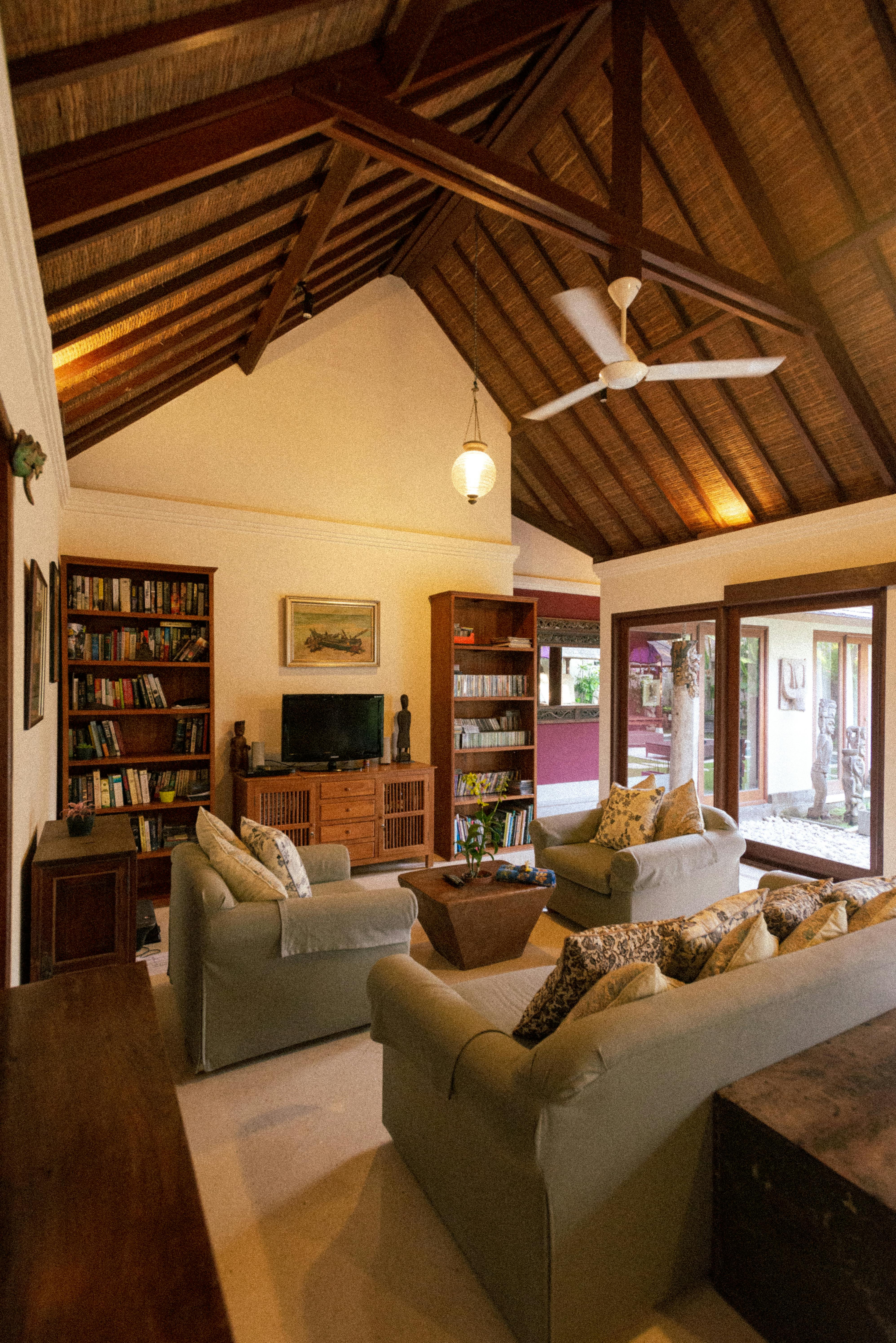
Tropical home decor is a style built around warmth, openness, and organic materials. It often uses soft neutrals, leafy greens, sun-washed blues, natural fibers, and shapes inspired by the coast, the jungle, or island architecture. But if you ask me, the category is too often reduced to cliché. Real tropical style is not a catalog of pineapples and parrots.
The strongest interiors in this style feel grounded. They use rattan, teak, jute, linen, and ceramic pieces that feel tactile rather than precious. They lean on natural ventilation, indoor plants, and materials that wear in, not out. The best rooms make you want to exhale.
There is also a subtle overlap with luxury hospitality. Tropical decor works because it creates a sense of retreat. Not the fake kind, either. I mean the real one—the kind you feel when a room is cool, quiet, and gracious after a brutal day. That is why resort interiors often use layered textures and low-glare finishes. They understand that comfort is a design value, not a compromise.
Most people make one mistake right away: they think tropical means bright. Sometimes, yes. But luxury tropical decor usually favors softened color, because loud color ages badly and looks cheap fast. A palette of sand, ivory, deep green, charcoal, and faded aqua will usually do more work than a dozen novelty accents. The point is atmosphere, not novelty.
If you want to see how well-designed hospitality spaces use this logic, browse the best luxury resorts in the Caribbean or study how top properties structure light and shade in luxury destination design. The pattern is obvious once you stop pretending that decor is complicated. It is mostly about proportion, texture, and restraint.
And yes, a Catholic sensibility fits here, quietly. A home should be ordered toward peace, hospitality, and gratitude. Beauty is not vanity when it points beyond itself and supports human flourishing. That is why the best tropical interiors feel humane. They do not scream. They receive.
Core Benefits and Importance
Tropical home decor is popular because it solves a real problem: most homes feel too stiff, too dark, or too sterile. A tropical approach softens all that. But let’s be real, the benefits depend on execution. Cheap decor only adds visual noise. Good decor changes how a room functions.
- It creates calm quickly. Natural textures and lighter colors tend to make a room feel less crowded and more restful.
- It makes small spaces feel larger. Breezy fabrics, open-leg furniture, and reflective surfaces can reduce visual heaviness.
- It works across budgets. You do not need a fortune, though quality pieces matter more than quantity.
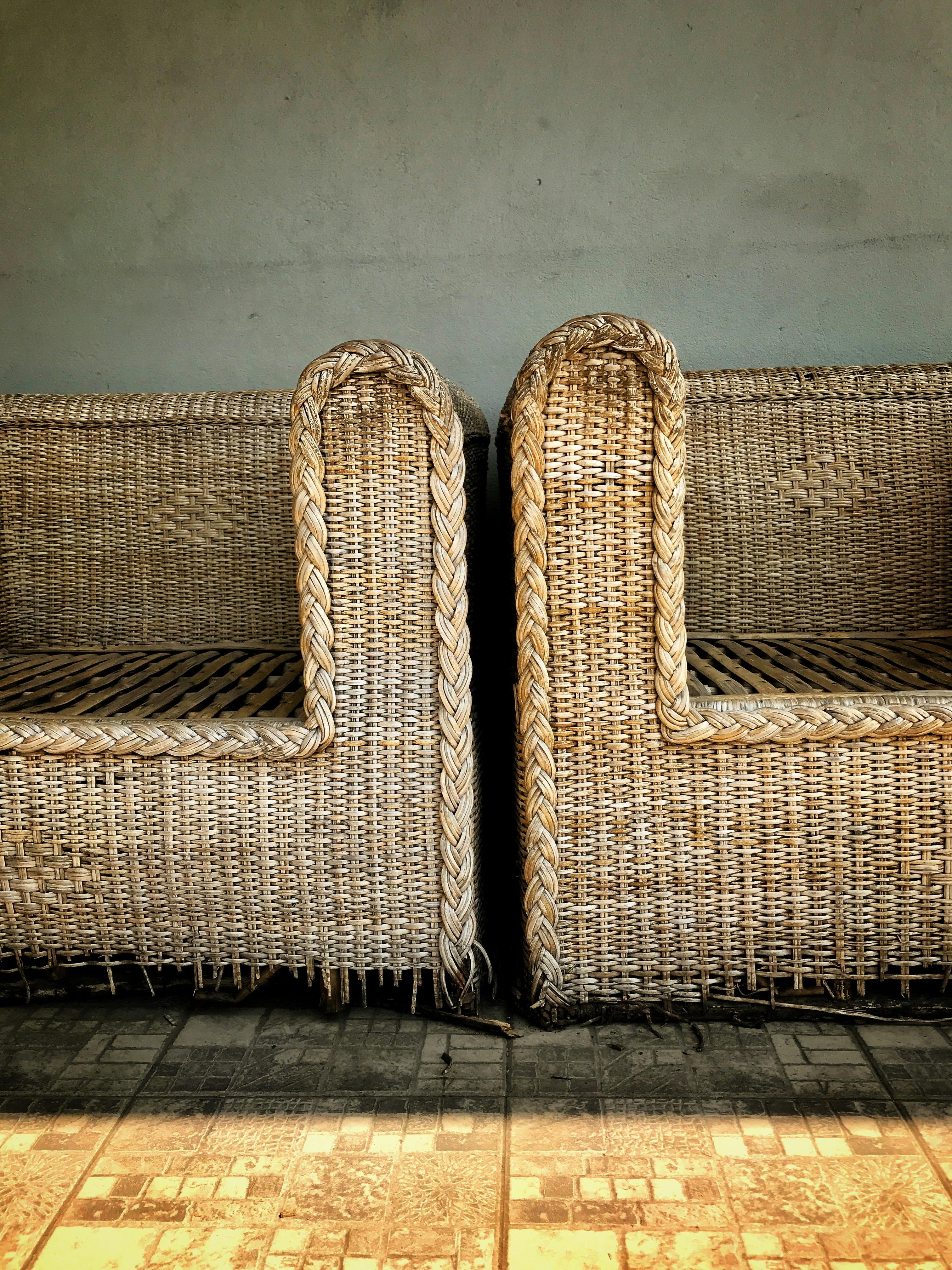
- It ages better than trend-chasing styles. A well-made teak stool or woven chair has staying power.
- It supports better daily living. Rooms that are airy and uncluttered are easier to maintain.
- It pairs well with luxury. A high-end tropical room can feel polished without becoming cold.
Here’s the kicker: the style is often mistaken for easy, but good tropical decor is actually disciplined. There is a huge difference between “relaxed” and “careless.” The former is hard-won. The latter is just laziness dressed up as taste. I’ve seen expensive homes with tropical motifs that looked tacky because the owners bought too many decorative objects and too little furniture with substance.
The importance of tropical decor also lies in its emotional effect. A room with natural materials and greenery tends to feel more alive. That matters in homes where people actually live, not just pose for photos. The best spaces invite conversation, reading, rest, and prayerful quiet. That sounds lofty, but it is practical too. Human beings are affected by their surroundings. We are not robots.
For evidence that material quality and layout really matter, consider how top luxury hotels build atmosphere around comfort and flow. Condé Nast Traveler’s hotel coverage regularly shows how strong interiors rely on restraint rather than clutter. And for a design-forward perspective on natural materials, Architectural Digest’s interiors coverage is full of examples where texture does the heavy lifting.
The point is simple. Tropical decor is not a theme. It is a method for making a home feel more breathable, more gracious, and less like a storage unit with cushions.
9 Quick and Easy Decorating Ideas
You asked for easy. Fine. But easy does not mean flimsy. These ideas are straightforward, yet they work because they respect scale, texture, and color.
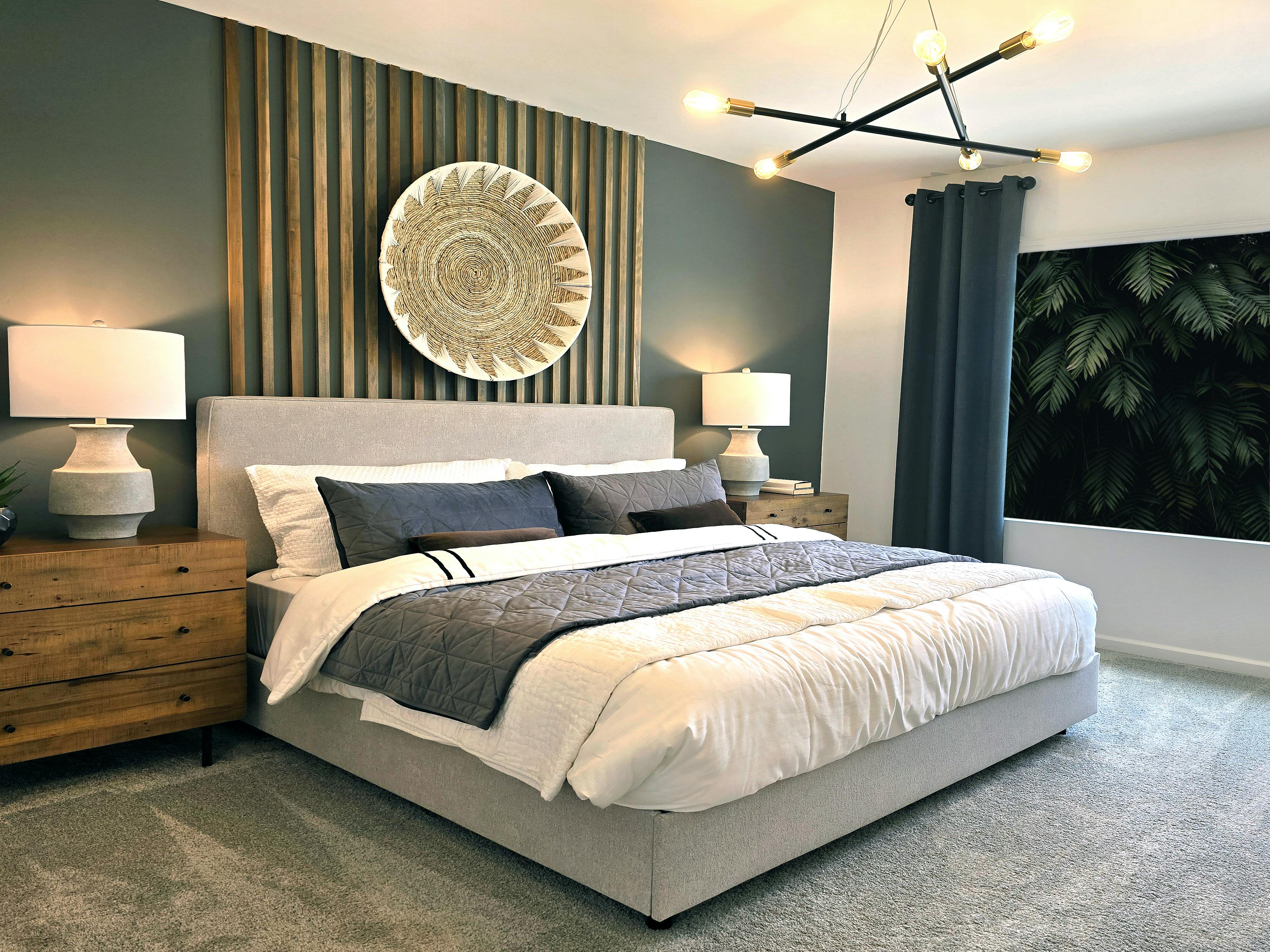
- Use a restrained green palette. Pick two or three greens only, then pair them with ivory, sand, or warm gray. Too many shades and the room turns muddy. I prefer deep palm green with soft linen white. It feels richer and calmer.
- Swap synthetic fabrics for natural ones. Linen curtains, cotton slipcovers, and woven throws immediately improve the room. The difference is not subtle. Natural fibers drape better, breathe better, and look more expensive. That is not marketing. It is just true.
- Add one major woven piece. A rattan chair, cane-front cabinet, or seagrass ottoman can anchor the whole room. One strong piece beats five flimsy ones. Most people overbuy accessories because they are afraid of empty space. Don’t be.
- Bring in real plants, not fake jungle clutter. A tall palm, monstera, bird of paradise, or even simple cut greenery can transform a room. But keep it edited. Plants should feel like life, not like a botany exam.
- Choose natural wood tones. Teak, oak, walnut, and light ash all suit tropical decor if the finish is warm and honest. Avoid too much orange stain. It cheapens everything. Use wood as an architectural note, not a gimmick.
- Layer texture instead of pattern. If you use a bold print, let it be one accent, not the whole room. The smarter approach is mixing smooth, rough, soft, and woven surfaces. Texture gives richness without shouting.
- Use artwork with room to breathe. Botanical prints, coastal photography, and abstract pieces in muted tones work well. Do not cram walls with tiny frames. Spaciousness is part of the look.
- Let the light do some work. Sheer curtains, open weave shades, and lightly reflective finishes help the room feel brighter. Tropical decor depends on light. Block it, and you kill the effect.
- Add one luxury object with real weight. A hand-thrown vase, a carved bowl, or a stone tray can elevate everything around it. Quality matters because the eye notices substance. That principle applies in fashion, watches, homes, and basically every serious luxury category.
If you want to compare this approach with broader premium styling, this guide to luxury home design shows how small details shape a room’s tone. And if you are thinking about how hospitality spaces handle softness and color, hotel design features from Four Seasons are a useful benchmark. They rarely get loud, which is why they age well.
The short version? Edit more than you add. That is the secret nobody wants to hear because it is less fun than shopping.
Step-by-Step Guide to Building the Look
Start with the room, not the store. That is the part most people get backward.
- Decide the mood first. Do you want breezy coastal, lush resort, or refined island elegance? These are not the same thing. Pick one direction so your choices have a spine.
- Choose a grounded base palette. I usually begin with warm white, sand, and one darker anchor like forest green or espresso brown. That gives the room structure. Without it, tropical decor can look sugary.
- Select large furniture with simple lines. A sofa with clean arms, a solid wood coffee table, and a woven accent chair will carry the room better than ornate pieces. Tropical style thrives when the silhouette stays calm.
- Add texture through materials. Bring in linen, cane, jute, bamboo, matte ceramics, and polished stone. The contrast matters. A room full of one texture feels flat. A room with three or four well-chosen textures feels alive.
- Limit pattern to one or two moments. A pillow, a rug, or a drapery print can carry the tropical note. More than that and you are decorating a souvenir shop. I’ve seen it. It is not pretty.
- Edit the accessories ruthlessly. Choose a few objects with purpose. Maybe a shell-shaped bowl, maybe not. Most themed pieces are disposable. Better to use art, books, or a ceramic lamp with presence.
- Include living elements. Plants, fresh flowers, natural branches, or even a bowl of fruit can add softness. Living things matter in a room. They remind you that a home is for people, not for staging.
- Balance warmth and restraint. If the room starts to feel busy, remove one item. If it feels flat, add texture, not more color. That is the correction most people need.
- Check how the room functions. Walk through it. Sit in it. Open the curtains. If the room looks good but feels awkward, it is not done. Luxury without comfort is just expensive frustration.
For deeper inspiration, explore luxury interiors and materials and hotel suites with tropical design cues. Good examples show how to layer softness without turning everything into a motif.
Comparison Table: Tropical Home Decor vs. Coastal Decor
| Feature | Tropical Home Decor | Coastal Decor |
|---|
| Core feel | Lush, warm, relaxed, botanical | Breezy, airy, seaside, light |
| Typical materials | Rattan, teak, cane, linen, jute | Driftwood, cotton, linen, pale woods |
| Color palette | Greens, sand, ivory, warm neutrals | Blues, whites, soft grays, pale beige |
| Visual emphasis | Texture and foliage | Light and open space |
| Risk of going wrong | Looks overly themed or touristy | Looks bland or beach-house generic |
| Best for | Homes wanting richness and warmth | Homes wanting calm simplicity |
| Luxury potential | High, if materials are excellent | High, if the palette stays clean |
The biggest competitor to tropical decor is coastal decor, because the two get confused constantly. They are cousins, not twins. Coastal leans brighter and cooler. Tropical leans richer and more layered. If you want depth and warmth, tropical usually wins. If you want minimal daylight and a less saturated room, coastal may be the better fit.
The honest answer is that neither style is better by default. What matters is the architecture of the room and the discipline of the owner. A grand apartment in a city may handle tropical decor better than a small flat with no natural light, because the style needs breathing room. On the other hand, coastal styling can rescue a narrow room that would feel too heavy with dark wood.
Luxury brands understand this distinction well. High-end resorts in Southeast Asia and the Caribbean often mix local materials, shaded verandas, and natural ventilation to create warmth without clutter. That formula is not accidental. It is human-centered design with better tailoring.
If you want to study how premium properties handle this, look at Aman resorts for restraint and Belmond hotels for character-rich detail. Both show that luxury is not about piling on features. It is about precision.
Common Mistakes to Avoid
Most bad tropical decor comes from impatience. People buy the first thing that says “island” and assume the room will sort itself out. It will not.
- Do not overuse theme pieces. Flamingos, pineapples, and novelty prints can be fun once. After that, they start to look childish. Use them sparingly or skip them entirely.
- Do not make everything bright. Tropical does not mean neon. Loud colors can flatten a room and age quickly.
- Do not ignore quality. Cheap rattan splinters, warped wood, and synthetic fabrics will ruin the effect. Luxury is partly about durability.
- Do not crowd the space. Tropical style needs airflow, visually and physically. Too much furniture kills the feeling.
- Do not copy a resort room exactly. Homes need more personality and comfort than a hotel suite. That is the difference between living and checking in.
- Do not fake natural materials. Faux cane and plastic “woven” finishes often look off from across the room. The eye knows.
Here’s what nobody tells you: many so-called “easy” decorating tips are just disguised shopping lists. Buy this pillow. Buy that vase. Buy the lamp. That is lazy advice. Real improvement comes from subtraction, not accumulation. When I examined well-designed homes, the strongest ones almost always had fewer objects than the average person expects. Fewer, but better.
Another common mistake is neglecting function. A tropical living room should still have good seating, practical lighting, and storage. Otherwise, it becomes a postcard. Lovely for ten minutes, miserable for a year.
If you want to understand why restraint is so effective, look at editorial interiors coverage from House Beautiful or luxury resort spaces. The best rooms are designed, not decorated in panic.
And yes, there is a moral dimension to this, quietly. Ordering a home well is a form of stewardship. It honors the work of the people who made the objects, and it respects the people who live among them. That is not sentimentality. That is common sense with a backbone.
Frequently Asked Questions
What colors work best for tropical home decor?
Muted greens, warm whites, sand, tan, and deep natural tones work best. Bright colors can work as accents, but the base should feel calm and grounded.
Can tropical decor look luxurious?
Absolutely. Use high-quality materials, limit the palette, and keep the room edited. A single well-made woven chair will do more than a dozen cheap accents.
Is tropical decor the same as coastal decor?
No. Coastal decor is lighter and more beach-oriented, while tropical decor uses richer textures, deeper greens, and more botanical influence.
How do I make tropical decor look modern?
Use clean lines, fewer decorative objects, and natural materials with simple shapes. Skip novelty pieces and let texture carry the design.
The truth is, tropical home decor only looks “easy” after someone has done the hard work of editing. That is what makes it worthwhile. A good room should feel generous, not crowded; alive, not noisy; refined, not brittle. If you can do that, you have not just decorated a home. You have made space for rest, welcome, and a bit of beauty that does not need to brag about itself.
Final Thought
Luxury tropical decor is not about escaping reality. It is about improving it. The best homes do this quietly. They use good materials, honest colors, and enough restraint to let a room breathe. That is why the style endures. It reflects something true: beauty should serve life, not dominate it.
I like that, frankly. It is rare enough to matter.
Most people think home decor is about taste, but taste alone is shallow. The better question is whether a room supports the kind of life you actually want to live. Do you want calm? Conversation? Hospitality? A place where the morning light looks good and the furniture does its job? Then tropical style, handled with discipline, can give you all of that without turning your home into a costume.
If you buy only one idea from this article, make it this: choose fewer things, choose better things, and let natural materials carry the tone. That advice holds up in fashion, watches, travel, and interiors because it is rooted in the same principle—craft matters, order matters, and beauty is worth doing properly.
A well-made room is not loud. It is grateful.