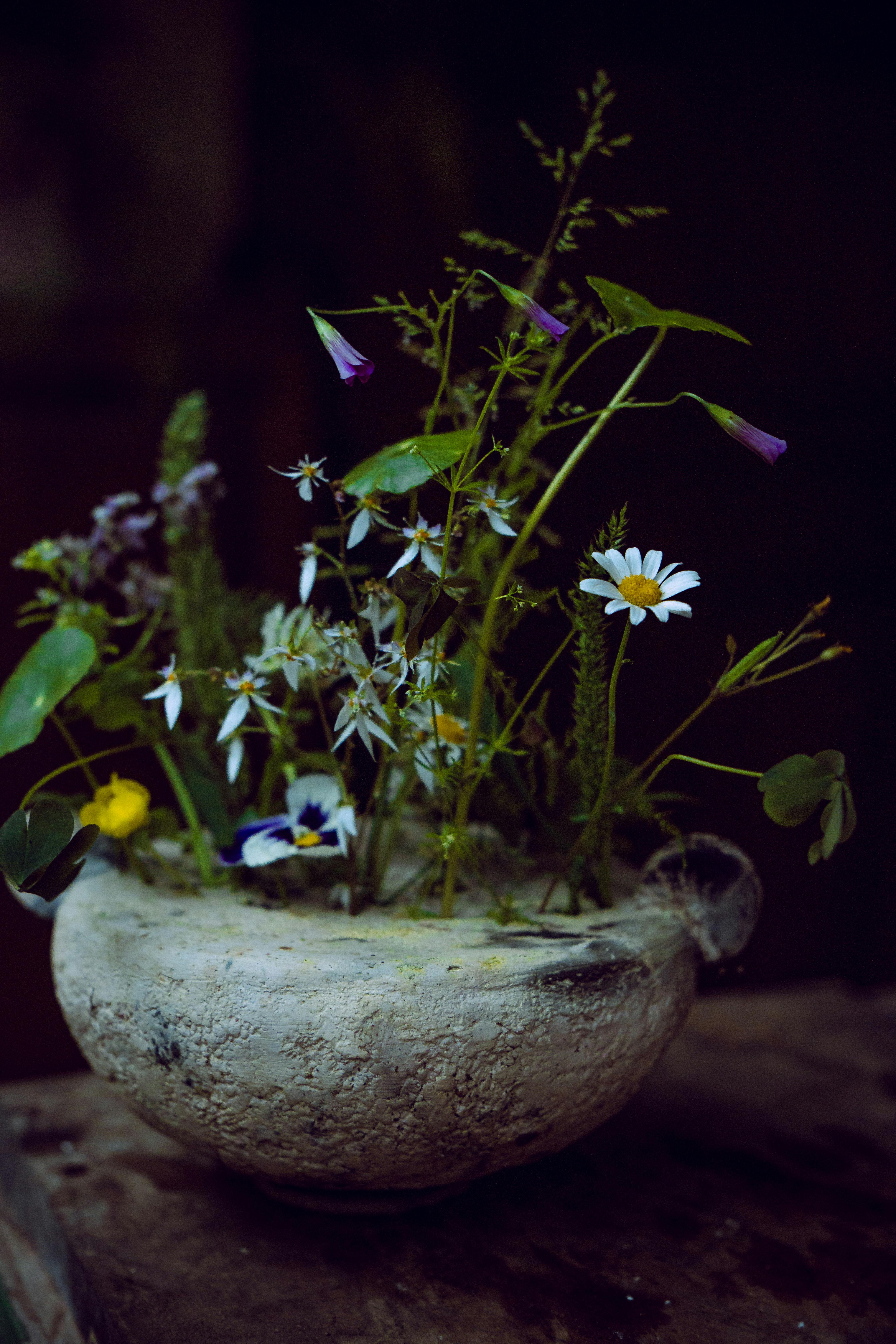
Cottagecore is an aesthetic built on simplicity, domesticity, and romantic rural life. It prizes handmade details, soft natural textures, gardens, ceramics...
What is Cottagecore? An In-Depth Guide to the Popular Aesthetic Trend
Cottagecore is an aesthetic built on simplicity, domesticity, and romantic rural life. It prizes handmade details, soft natural textures, gardens, ceramics, linen, old books, and a slower pace that feels almost stubborn in its refusal of modern noise. People often mistake it for mere decoration, but it is really a way of seeing beauty in ordinary work, modest materials, and the quiet dignity of a well-kept home.
Key Takeaways
- Cottagecore celebrates rural-inspired beauty, craftsmanship, and intentional living.
- It values natural materials, vintage pieces, and handmade objects over mass-produced excess.
- The trend overlaps with luxury through craftsmanship, heritage, and thoughtful curation.
- It is strongest when it stays practical, lived-in, and sincere.
- The biggest mistake is treating it like a costume instead of a way of life.
What is Cottagecore?
Cottagecore is a visual and cultural style that idealizes rural simplicity, domestic craft, and a softer relationship with time. It draws from farmhouses, herb gardens, handmade quilts, weathered wood, tea rituals, pressed flowers, and antique crockery, then wraps all of that in a rosy glow. Frankly, much of the internet has turned it into an oversweet fantasy, but the core idea is sturdier than the gimmicks.
When I examine why the aesthetic sticks, the answer is plain: people are tired of sterile surfaces, disposable objects, and the grim efficiency of modern life. Cottagecore offers the opposite. It favors patina over polish, handiwork over branding, and a kind of domestic order that feels human because it admits time, wear, and repair. That matters. Beauty should not just flatter the eye; it should point upward, toward something ordered, true, and worth caring for.
The style does not require a countryside address, a basket of sourdough, or an ironic social media pose. What it really requires is attention. A candle in a simple holder. A linen tablecloth. A room with books, flowers, and useful things placed with care. Here’s the kicker: this is where cottagecore brushes against luxury, because true luxury is often not loud at all. It is excellent material, good construction, and restraint.
For a related approach to rustic refinement, see country chic interior design. For heritage fabrics and old-world charm, tweed fashion shows how texture carries meaning. And for lasting craftsmanship in accessories, Chanel handbag guide is a sensible reference.
Cottagecore is part nostalgia, part protest, and part quiet devotion to ordinary things. That mix explains why it keeps showing up in fashion, interiors, travel, and food. It gives people permission to care about the table setting, the hemline, the teacup, the garden path, and the loaf cooling on the counter. Not a bad way to live, honestly.
Core Benefits and Importance
Cottagecore matters because it restores value to things modern culture often dismisses. It says that domestic skill is not trivial. It says that a hand-thrown bowl, a stitched cushion, or a basket of herbs can carry more grace than a glossy room full of cheap furniture. Let’s be real: a lot of so-called style advice is just consumption with better lighting. Cottagecore is more demanding than that.
- It encourages slower, more deliberate buying. People who love cottagecore usually prefer fewer, better objects, and that habit cuts down on clutter, waste, and regret. In luxury terms, this is almost common sense: choose pieces that age well.
- It values craftsmanship. Handmade ceramics, wool knits, embroidered linens, and carved wood all carry the evidence of human labor. That matters because the human hand leaves a trace of care. In a Christian moral frame, there is dignity in work done well, whether it is a potter shaping clay or a baker tending dough.
- It softens high-pressure living. The aesthetic promotes calm through texture, ritual, and familiar routines. Tea, reading, gardening, and cooking are not trivial habits; they are anchors.
- It supports sustainability in practice, not as slogan. Vintage shopping, mending, repurposing, and buying durable goods all reduce waste. Of course, some people slap a green label on cheap junk and call it virtue. That is nonsense.
- It bridges everyday life and beauty. A well-lit kitchen, a sensible apron, a good chair, and a sturdy basket can do more for happiness than a pile of trend-driven purchases.
- It overlaps with premium experiences. Not all luxury is marble and mirror shine. Sometimes it is fresh bread, a quiet hotel in the country, or a farmhouse table set with restraint.
For travel that prizes calm over spectacle, luxury countryside hotels is worth exploring. If food is the draw, fine dining experiences shows how craftsmanship can be plated instead of stitched.
The real importance of cottagecore is not escapism. It is revaluation. It reminds people that beauty can serve life instead of advertising status. That is a more serious claim than it first appears.
Step-by-Step Guide to Building a Cottagecore Aesthetic
Building cottagecore well takes judgment. Not money alone. I have seen expensive rooms fail because they were full of rustic junk with no coherence, while modest homes worked beautifully because every object had a reason to be there. Here is the practical way to do it.
- Start with what you already own. Look for natural fabrics, wood, stoneware, books, baskets, and anything with a gentle patina. Do not rush to buy a dozen props. The point is not to stage a set. The point is to notice what already has life in it.
- Choose a restrained color palette. Cream, moss, oat, clay, faded rose, muted blue, and soft brown are the usual suspects. They work because they feel weathered and calm. Bright neon has no place here unless you are being ironic, and irony gets tired fast.
- Prioritize useful beauty. A teapot should pour well. A chair should support the spine. A blanket should be warm. This is where cottagecore and luxury overlap cleanly: the object must perform its function beautifully. No excuses.
- Layer texture, not clutter. Linen curtains, woven rugs, ceramic mugs, embroidered napkins, and wood grain create depth without noise. Too much decor and the room turns into a thrift shop with stage fright.
- Add living things. Fresh flowers, herbs, vines, and potted plants give the aesthetic its pulse. A home without life feels fake. Even a small windowsill garden changes the tone.
- Bring in heritage pieces. Antique silver, old books, vintage tableware, and heirloom textiles add narrative. They do more than decorate; they connect you to time, memory, and continuity.
- Keep the space usable. A room that looks pretty but fails daily life is a lie. I favor homes where the kettle is close, the blanket is reachable, and the table is actually used.
- Edit ruthlessly. This is the part people skip. Good taste is often subtraction. If an object does not support the mood, the function, or the material story, out it goes.
If you want a luxury-adjacent reference for material quality and texture, compare the idea to the craftsmanship covered in luxury interior design trends. The common thread is precision. Lovely things are never random.

Comparison Table
| Aspect | Cottagecore | Minimalist Contemporary | Biggest Advantage of Cottagecore |
|---|
| Core mood | Soft, rural, nostalgic | Clean, spare, modern | More warmth and personality |
| Materials | Linen, wood, ceramics, wool | Glass, metal, polished finishes | Better tactile richness |
| Visual language | Layered, handmade, lived-in | Controlled, sleek, open | Feels more human |
| Buying philosophy | Fewer, better, often vintage | Fewer, often new and neutral | Encourages reuse and repair |
| Emotional effect | Comforting, intimate, grounding | Calm, efficient, airy | Strong sense of memory |
| Weak point | Can become costume-like | Can feel cold or generic | Cottagecore avoids sterility if done honestly |
The biggest competitor to cottagecore is probably minimalist contemporary style, not because they are identical, but because both react against excess. Minimalism strips away. Cottagecore adds layers of meaning. One can feel almost monastic; the other feels domestic and pastoral. Neither is wrong. But cottagecore wins when the goal is warmth, texture, and a sense that someone actually lives there.
Common Mistakes to Avoid
The biggest mistake is turning cottagecore into theater. That is what happens when people buy a bunch of props, then pretend they have a life they do not. Real charm cannot be ordered in a carton. It has to be earned, used, and maintained.
- Mistake 1: Over-romanticizing rural life. Farms are hard work. Country living includes mud, insects, weather, and chores. If your idea of cottagecore stops at gingham and jam jars, you are missing the labor that makes the beauty possible.
- Mistake 2: Buying cheap imitation pieces. Faux-vintage junk usually looks worse than honest modern basics. A mass-produced sign that says “Gather” does not create warmth. It creates embarrassment.
- Mistake 3: Ignoring function. Pretty clutter is still clutter. If you cannot cook, read, rest, or host comfortably in the space, the aesthetic is failing.
- Mistake 4: Making everything beige. Cottagecore is not an oatmeal cult. It needs variation in tone, texture, and depth. A little faded color goes a long way.
- Mistake 5: Confusing thrift with disorder. Vintage pieces work best when curated carefully. Random piles of old stuff are not charming. They are just random piles.
- Mistake 6: Treating craft as accessory only. Knitting, baking, gardening, sewing, and pressing flowers are not just visual cues. They are practices. If the art form is reduced to decor, the whole thing becomes hollow.
The truth is that many trend pieces fail because people mimic the surface and ignore the ethic underneath. Stewardship matters. So does care. A beautiful home should not merely signal taste; it should serve the people inside it with order, generosity, and peace.
Frequently Asked Questions
What does cottagecore mean in simple terms?
It means a romantic style inspired by rural life, handmade objects, gardens, natural materials, and a slower pace. It is about comfort and craft, not luxury branding.
Is cottagecore just for interiors?
No. It shows up in fashion, food, travel, photography, and even online behavior. Linen dresses, tea rituals, baking, and countryside stays all fit the look.
How is cottagecore different from farmhouse style?
Farmhouse style is usually more practical and architectural, while cottagecore is more nostalgic and decorative. Farmhouse can be sturdy and plain. Cottagecore is softer and more poetic.
Can cottagecore be luxurious?
Yes, but not in a flashy way. Luxury cottagecore is about excellent materials, artisan-made objects, heritage textiles, and spaces that feel calm, not performative.
Final Thought
Cottagecore endures because it answers a real hunger. People want beauty that does not bully them. They want homes and habits that reflect order, tenderness, and usefulness, not just price tags and status games. I think that is why the aesthetic still matters, even after the internet has chewed on it, packaged it, and sold a thousand versions of it back to us.
The best cottagecore is not a costume, and it is not a fantasy of effortless rural innocence. It is a disciplined appreciation for things made well, cared for properly, and used with gratitude. That is a very old idea, honestly, and a good one. A good cup, a clean table, a warm room, a stitched hem, a loaf of bread, a patch of flowers by the window—these are small things, but they are not trivial. They remind us that material life can be ordered toward something higher than consumption. In that sense, cottagecore is not really about escaping the modern world. It is about recovering a saner measure of value inside it.