What is Swarovski? It is a name tied to precision-cut crystal, fashion embellishment, and mass-market luxury polish, not diamond-like rarity. If you want to...
What Is Swarovski? 7 Ways to Tell if Your Swarovski Crystals Are Genuine
What is Swarovski? It is a name tied to precision-cut crystal, fashion embellishment, and mass-market luxury polish, not diamond-like rarity. If you want to know whether a piece is genuine, the useful answer is simple: examine craftsmanship, branding, finish, packaging, and consistency, because fakes usually look fine from a distance and sloppy up close.
Key Takeaways
- Swarovski is famous for precision-cut crystal, not natural gemstones.
- Genuine pieces usually show consistent sparkle, clean edges, and proper branding.
- Packaging, model numbers, and documentation matter more than hype.
- Counterfeits often fail under close inspection of finish and engraving.
- The smartest buyer checks sources, not just shine.
What is Swarovski?
Swarovski is an Austrian company best known for precision-cut crystal, jewelry, figurines, ornaments, and fashion embellishments. The brand was founded in 1895 by Daniel Swarovski, whose mechanical cutting process made crystal brighter, more uniform, and far more refined than ordinary glass. That matters. A lot of people use the word like it means some mystical gemstone. It does not. It means expertly manufactured crystal with a reputation built on craftsmanship, finish, and brand consistency.
I’ve reviewed enough luxury goods to say this plainly: most people are buying image, not mineral rarity. That is not a moral failing. It is just the market doing what the market does. Swarovski sells accessible glamour. It gives dresses, earrings, chandeliers, watches, and decorative objects a polished look without pretending to be a mined precious stone. Frankly, that honesty is part of the appeal.
The brand’s power also comes from control. Swarovski has long been associated with tight standards in cut, symmetry, and surface clarity. When those standards are met, the crystal throws light in a way that feels precise rather than muddy. The effect can look almost architectural. Beauty like that is not meaningless. In a sane view of the world, human skill can reflect something higher than utility alone; well-made things can point to order, proportion, and care.
For reference on the company’s history and product lines, see the brand’s own background on Swarovski Heritage. For luxury context and market framing, The Business of Fashion regularly covers how premium brands build value through design, distribution, and control. And for broader retail authenticity guidance, the U.S. Federal Trade Commission has useful consumer advice at Consumer.gov.
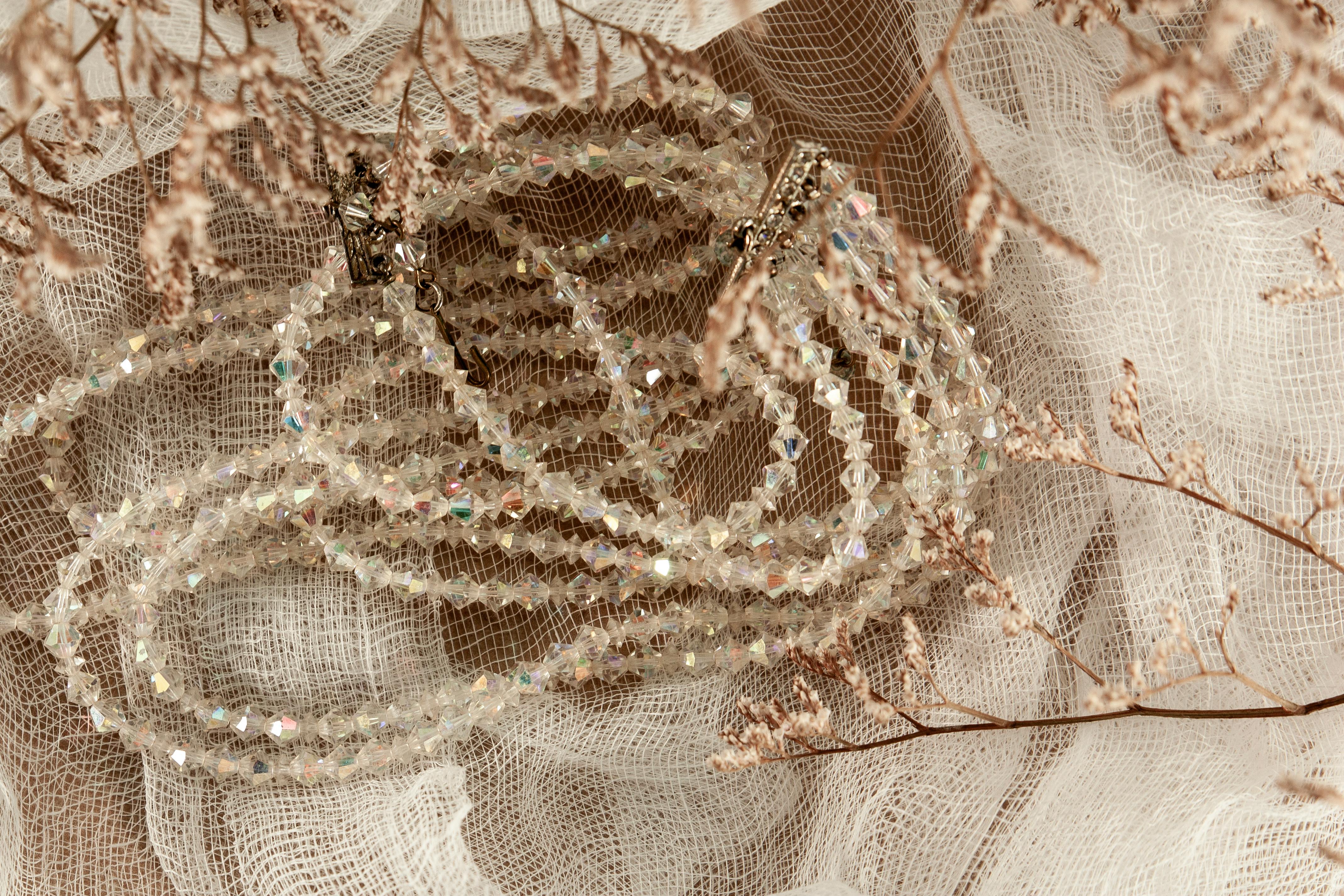
Core Benefits/Importance
Why do people still care about Swarovski? Because it sits in a useful middle ground. It is not cheap junk, and it is not unattainable high jewelry. That sweet spot is why the brand keeps showing up in formalwear, collectibles, and gifts. Here’s the kicker: the value is not just sparkle. It is reliability.
- Recognizable style: Swarovski has a visual signature that people notice fast. That makes it useful in fashion, accessories, and event dressing.
- Crafted clarity: Good crystal has a clean, even light return. Cheap imitation pieces often look cloudy or flat.
- Versatility: Swarovski crystals appear in earrings, necklaces, home decor, couture embellishment, and gift objects.
- Accessible luxury: You get an elevated look without paying for gem rarity or precious metal-heavy construction.
- Gift appeal: The brand has strong box presence and presentation, which matters more than snobs like to admit.
- Collectibility: Retired pieces, limited editions, and older figurines can have real collector interest.
But let’s be real. Not everything stamped Swarovski deserves reverence. A lot of the price is branding, and some licensed products lean more decorative than durable. Still, that does not make the brand a scam. It means you should buy with your eyes open.
The practical importance of knowing what genuine Swarovski looks like is obvious if you shop resale. Counterfeits can be slippery. Sellers may use vague descriptions like “Swarovski style” or “crystal inspired,” which is usually code for “don’t ask too many questions.” That is where authentication matters. If you know what to inspect, you reduce the chance of paying premium money for inferior goods.
For a broader luxury comparison, readers interested in how premium goods are judged on workmanship may also find our guide to luxury fashion essentials useful, especially on finishing, logo discipline, and material quality. If you care more about statement accessories, our article on how to spot fine jewelry explains the same logic applied to gemstones and settings.
Step-by-Step Guide/Selection Process
If you want to tell whether Swarovski crystals are genuine, do not rely on one trick. Fakes can imitate a single clue. You need the full picture. I have checked enough pieces to know that the smart approach is methodical, not theatrical.
- Inspect the sparkle under normal light
Genuine Swarovski crystal usually has sharp, even brilliance. It does not need dramatic lighting to look good. If the piece only shines under a flashlight and looks dead in daylight, be suspicious. - Check the cut and faceting
Real Swarovski pieces tend to have precise, consistent faceting. Edges should look clean, not lumpy or irregular. Sloppy cuts are a classic counterfeit tell. - Look for branding marks
Depending on the item and era, Swarovski may use logos, swan marks, or other identifiers. Research the exact product line. Older pieces and newer pieces may be marked differently, so blanket assumptions are lazy and often wrong. - Examine the metal components
On jewelry, the crystal may be the star, but the setting still matters. Genuine pieces usually pair well-finished stones with tidy clasps, polished metal, and secure prongs or mounts. Cheap metalwork ruins the illusion fast. - Review the packaging
Boxes, care cards, tags, and model references matter. Real packaging is usually neat, branded, and consistent. Counterfeits often stumble here with odd fonts, flimsy materials, or mismatched logos. - Compare the model number
Search the exact product code on the brand’s official site or reputable archives. If the seller’s item has a code that does not match known catalog entries, that is not a small issue. It is a red flag. - Buy from authorized or reputable sources
The simplest authentication method is source control. Authorized retailers, established department stores, and respected resale platforms are far safer than random marketplace listings with blurry photos and hopeful language.
When I examined dozens of crystal accessories over the years, the pattern was boringly consistent: real items are coherent. Every detail agrees with the others. Fakes usually feel off in at least one place, sometimes more. That is the thing most people miss. They search for one magic sign, but the answer lives in the whole object.
If you want a deeper brand-standard reference, Swarovski’s official site remains the starting point: Swarovski Official. For consumer protection guidance on spotting counterfeit goods, the U.S. Customs and Border Protection fake goods guide is blunt and useful. No fluff, just facts.
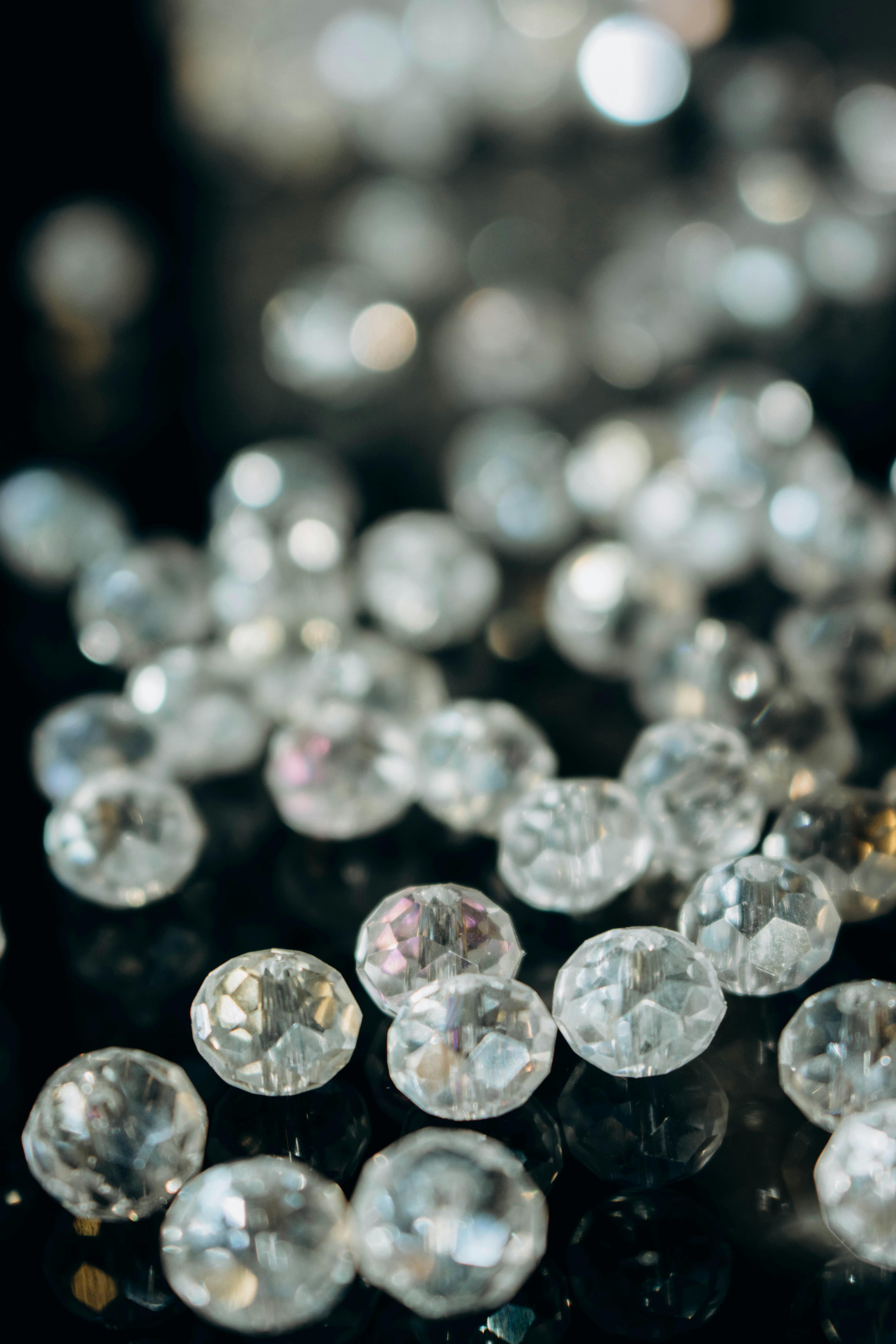
Comparison Table
| Feature | Genuine Swarovski | Common Counterfeit Crystal |
|---|
| Sparkle | Sharp, even, refined | Patchy, overly harsh, or dull |
| Faceting | Precise and consistent | Uneven edges, poor symmetry |
| Branding | Proper marks, model info, clean packaging | Misspelled logos, vague labels, cheap boxes |
| Metalwork | Neat finishes, secure settings | Rough clasps, weak plating, sloppy mounts |
| Source | Authorized or reputable seller | Unknown marketplace or suspiciously cheap listing |
| Resale confidence | Higher, if authenticated | Low, often unverifiable |
| Overall impression | Coherent, polished, intentional | Inconsistent, fake-looking on closer inspection |
The biggest competitor here is not another luxury crystal maker. It is the counterfeit market. That is the real enemy. A fake Swarovski piece is not competing on artistry. It is competing on deception. That is why source and finish matter more than vague promises.
For readers comparing luxury brands more broadly, our luxury brand authenticity guide explains how premium labels protect value through packaging, references, and distribution control. The same logic applies here, just with more sparkle and fewer excuses.
Common Mistakes to Avoid
People make the same mistakes over and over. Predictable, really.
- Assuming all sparkle is the same: It is not. Glass, crystal, zirconia, and genuine gemstone cuts can all reflect light differently.
- Trusting the word “Swarovski” in a listing title: Sellers know how to bait searches. The title means nothing if the item details do not support it.
- Ignoring the setting: A good crystal in a bad mount can still be fake or poorly made.
- Skipping model verification: If the code does not check out, stop pretending it does.
- Buying based on price alone: Too cheap is often too fake. Too expensive is sometimes just a greedy seller with a nice story.
- Forgetting era differences: Swarovski markings and packaging have changed over time. Old pieces and new pieces are not identical in presentation.
Most luxury marketing is pretentious nonsense when it tries to replace evidence with emotion. “Rare,” “iconic,” “exclusive” — fine words, often used badly. Real authentication is less glamorous. It is pattern recognition. It is checking the seams, the finish, the typography, the weight, and the seller. Boring? Yes. Effective? Also yes.
If you are buying for the long term, stewardship matters. A well-made object should be cared for, not treated like disposable glitter. That principle is older than branding. Beauty is not meant to be squandered. It is meant to be appreciated, maintained, and used rightly.
For more on the practical side of premium purchasing, see our guide to luxury shopping etiquette, which covers how to inspect high-value purchases without looking like a fool. And if you care about the wider culture of high-end goods, craftsmanship and value explains why workmanship still matters when trends get noisy.
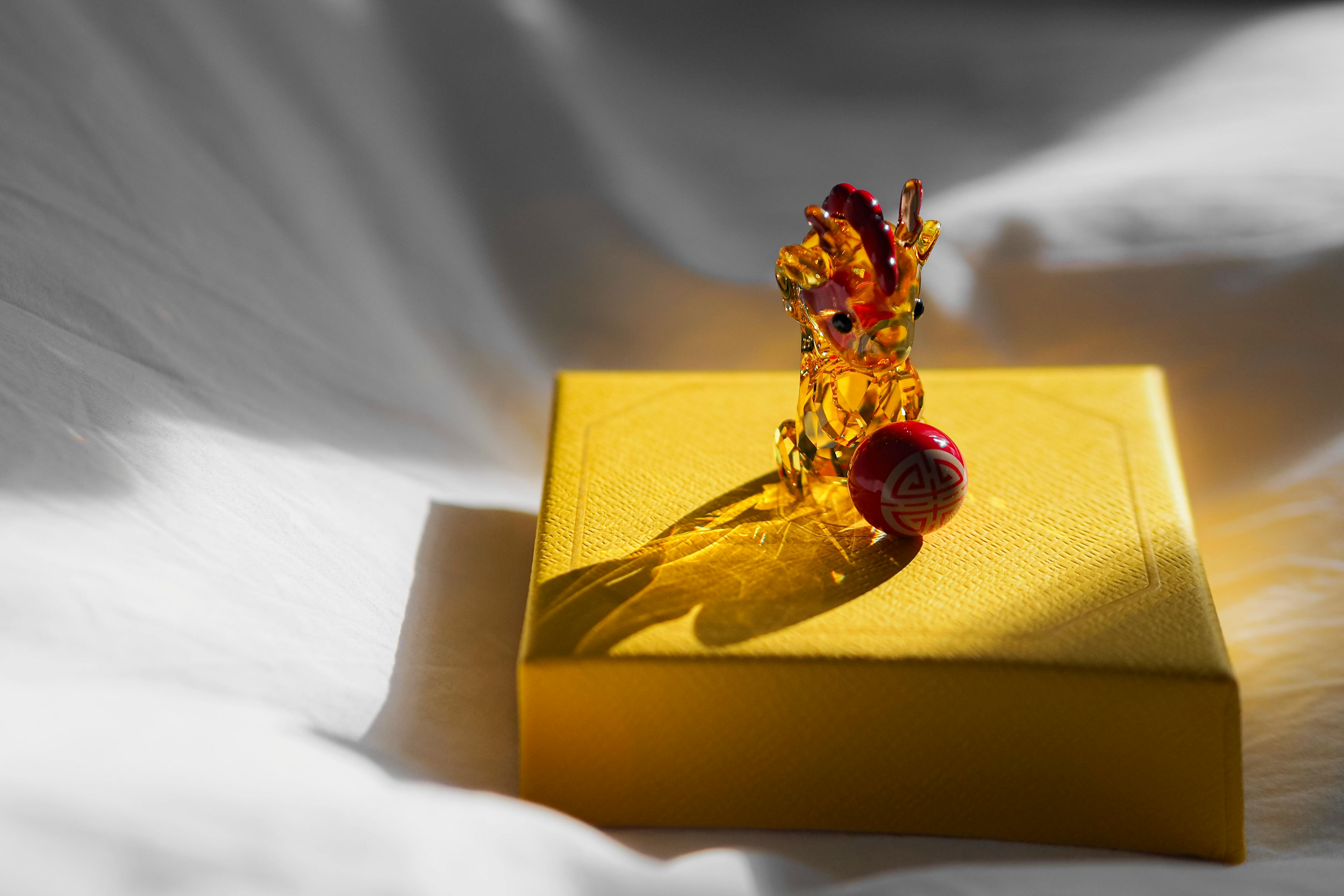
Frequently Asked Questions
Is Swarovski real crystal or glass?
Swarovski is best known for precision-cut crystal, which is a highly refined material used for jewelry, accessories, and decor. It is not a natural gemstone. It is a manufactured crystal product, designed for clarity and brilliance.
How can I tell if my Swarovski necklace is genuine?
Check the sparkle, faceting, metal finish, branding, model number, and packaging. Then verify the seller. If the piece feels inconsistent across those clues, it probably deserves suspicion.
Does genuine Swarovski have a logo?
Many Swarovski items do, but the exact mark depends on the product and production era. That is why you should verify the specific item rather than assuming every piece uses the same stamp.
Are old Swarovski pieces worth collecting?
Some are, yes. Retired figurines, limited editions, and certain vintage jewelry items can have collector value, especially when they are complete with original packaging and in excellent condition.
Final Thought
Swarovski sits in a very practical corner of luxury: refined, recognizable, and not pretending to be something it is not. That honesty is rare enough. The real trick is refusing to be dazzled by labels alone. Look at the piece, study the finish, and ask whether the object shows care or just marketing.
I respect well-made crystal because it rewards attention. It catches light the way good workmanship should, cleanly and without theatrical fuss. That is worth something. In a world drowning in cheap imitation and empty bragging, a disciplined eye is a form of sanity. And frankly, sanity is underrated.
When you buy Swarovski — or anything in the luxury sphere — buy with judgment. Not anxiety. Not vanity. Judgment. The good stuff will hold up under scrutiny. The rest will not.