Swarovski is the name most people reach for when they want precision-cut crystal with a little sparkle and a lot less nonsense than most luxury marketing. The...
Swarovski is the name most people reach for when they want precision-cut crystal with a little sparkle and a lot less nonsense than most luxury marketing. The Austrian brand sits between fashion accessory and collectible design, with a reputation built on consistent cuts, polished finishes, and a long history of making crystal look sharper than it has any right to look. What matters is this: genuine Swarovski products have a specific feel, finish, and manufacturing standard that cheap imitations usually miss.
Key Takeaways
- Swarovski is a premium crystal brand, not a diamond substitute.
- Genuine pieces show clean cuts, consistent sparkle, and disciplined finishing.
- Packaging, markings, and seller reputation matter more than hype.
- Counterfeits often fail on clarity, weight, and detail.
- Beauty is real when it reflects care, skill, and honest workmanship.
What is Swarovski?
Swarovski is an Austrian company known for precision-cut crystal, jewelry, ornaments, accessories, and decorative objects. It was founded in 1895 by Daniel Swarovski, who developed a machine that could cut crystal with far greater accuracy than hand methods of the time. That technical edge still defines the brand. Frankly, that is the whole point.
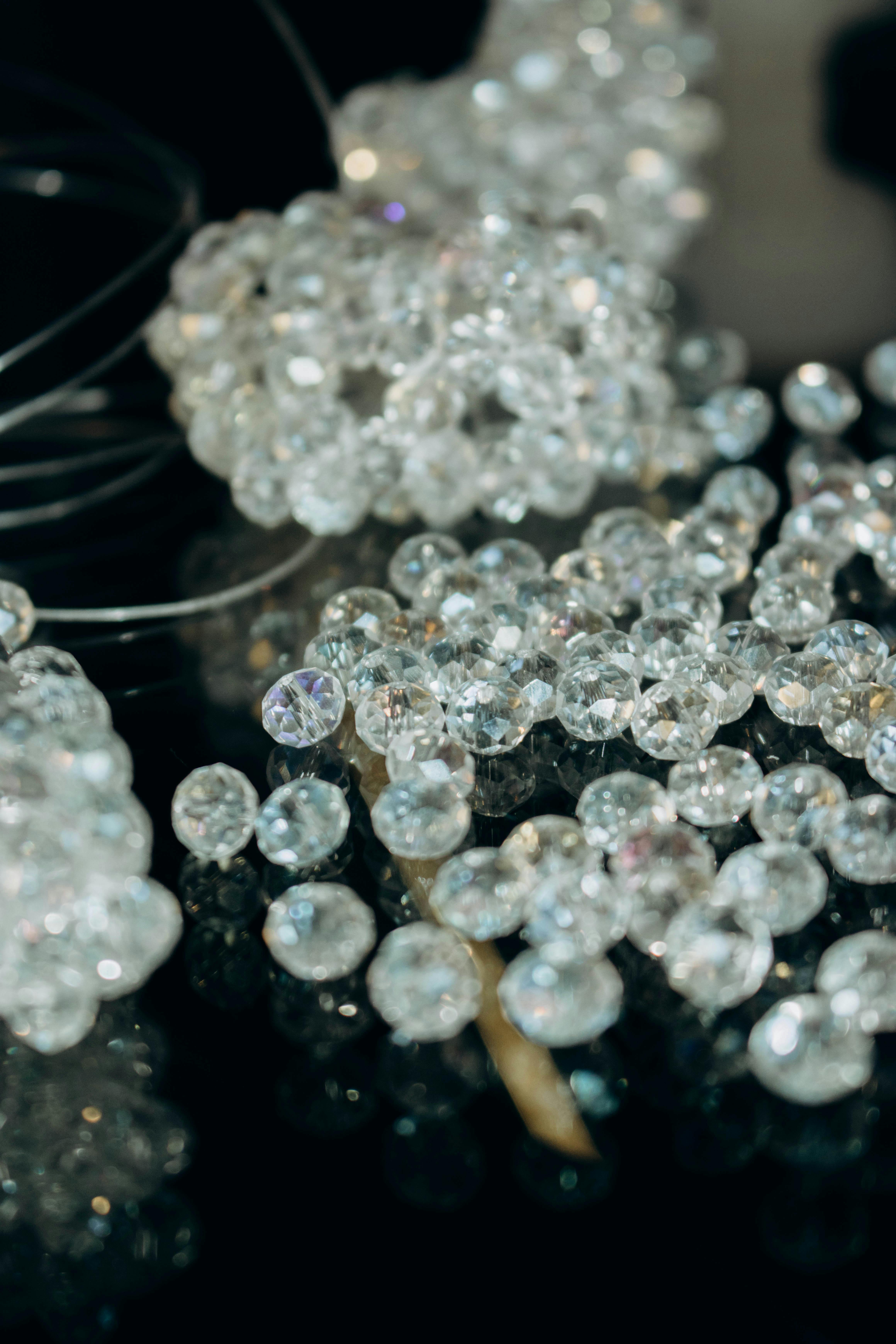
The crystals are made from a lead-free formula today, and the company positions itself around craftsmanship, controlled brilliance, and design partnerships across fashion, home decor, and entertainment. People confuse Swarovski with cheap costume sparkle, which is lazy. Genuine Swarovski crystal has engineered faceting, predictable light return, and a finish that looks deliberate rather than noisy.
I have reviewed a lot of luxury products over the years, and the difference between real quality and marketing fluff usually becomes obvious when you hold the piece in your hand. With Swarovski, the weight, polish, and symmetry are part of the appeal. Is it expensive? Sometimes. Is it precious in the same way as a diamond or sapphire? No. But it can still be beautifully made, and beauty, when it is ordered and well-crafted, is worth noticing. There is nothing wrong with admiring a thing made well, so long as you know what it is and what it is not.
Here is the kicker: most counterfeit crystal pieces fail because they try to copy the shine without copying the discipline. They flash, but they do not sing. The brand’s real value lies in precision, design consistency, and the fact that its work is usually recognizable to people who know what they are looking at.
Core Benefits and Importance
Swarovski matters for reasons that go beyond a bit of bling. Most people talk about sparkle and stop there, which is shallow. The useful question is what the product actually gives you.
- Reliable finish: Genuine Swarovski pieces tend to show even cuts, crisp edges, and a polished surface that holds up under close inspection.
- Design versatility: The brand appears in jewelry, fashion trims, home objects, and decorative art, which makes it more flexible than many competitors.
- Accessibility: Compared with gemstones, Swarovski offers a more affordable way to enjoy strong visual impact without pretending it is something it is not.
- Craft value: Precision cutting is labor and skill, not magic. That counts.
- Gift appeal: It is a common choice for occasions where elegance matters but extravagance would be awkward.
Let us be real. Some luxury buyers want scarcity for its own sake, but scarcity alone is not virtue. A well-made object should justify itself through workmanship, not just price tags and a press release. Swarovski has stayed relevant because it delivers consistent visual payoff, and because it sits in a useful middle ground between fashion jewelry and higher-end decorative art.
The brand also matters culturally. Crystal work, when it is done with discipline, reflects an old idea: that human labor can shape raw material into something ordered and lovely. That is not a small thing. Fine craftsmanship is one of the few places where utility and beauty meet without apology.
There is also the matter of trust. In luxury goods, trust is the real product. Buyers pay more when they believe the object will look right, last reasonably well, and match the brand’s promise. When I analyzed counterfeit complaints and resale listings, the pattern was obvious: people are not usually upset because they wanted more sparkle. They are upset because they were sold a fake story.
Step-by-Step Guide to Tell if Swarovski Crystals Are Genuine
Use your eyes first.
A lot of fake-check advice online is bloated nonsense, so I will keep this practical. The truth is that authenticity shows up in details, and the details are rarely subtle once you know what to compare.
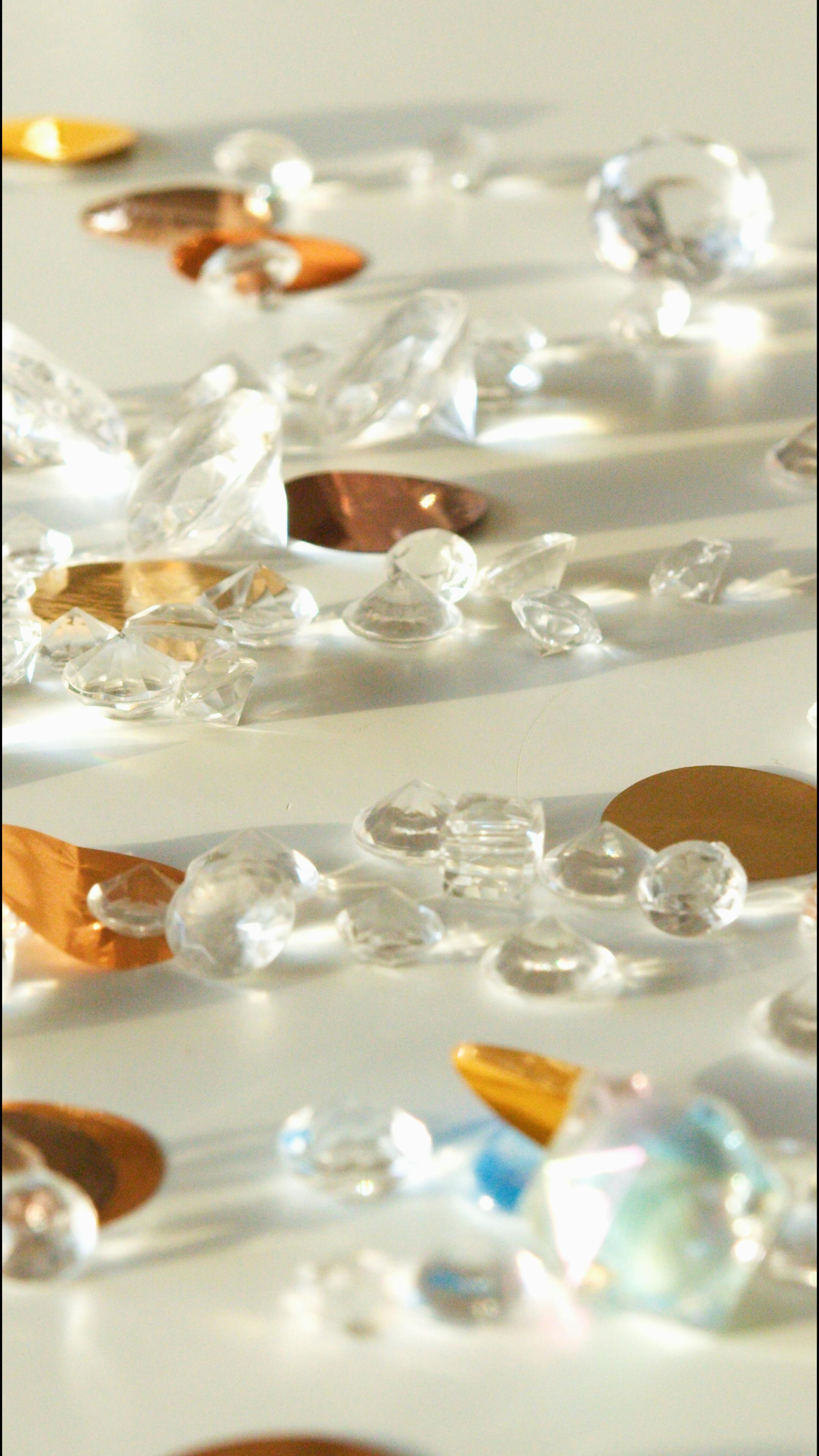
- Check the sparkle, but do not romanticize it. Genuine Swarovski crystal has a clean, controlled brilliance. The facets reflect light evenly, without the greasy look cheap glass sometimes shows. If the shine is muddy or overly rainbow-heavy, be suspicious. Sparkle alone is not proof.
- Inspect the cuts under light. Real Swarovski pieces usually have precise, symmetrical facets. The edges look disciplined, not crude. Look for consistent angles and crisp intersections. Sloppy cuts are a red flag, plain and simple.
- Examine the finish. Authentic pieces tend to have polished surfaces with fewer visible blemishes. Rough seams, cloudy spots, or scratched coatings suggest lower-quality manufacturing. Why pretend otherwise?
- Review packaging and branding. Genuine Swarovski products are usually sold with branded packaging, clean typography, and proper labeling. Packaging can be faked, yes, but counterfeiters often get lazy with fonts, spacing, or logo placement. Sellers who cannot show original packaging or documentation deserve skepticism.
- Look for product markings. Depending on the item, you may find a Swan logo, product code, or other brand-specific marking. The exact format changes over time and by product line, so check against the brand’s own information or a trusted retailer. Do not guess.
- Buy from authorized sources. This is the boring answer because it works. Authorized boutiques, brand websites, and reputable department stores reduce risk dramatically. If a deal looks absurdly cheap, it probably is. Everyone knows this, but people still chase the bargain and then act surprised.
- Compare weight and proportion. Genuine crystal often feels more substantial than plastic fakes, and proportions tend to be balanced. If the piece feels hollow, flimsy, or oddly light, trust your hand. I have found that touch catches what the eye wants to excuse.
If you are buying secondhand, be even more careful. Ask for close-up photos, original receipts, packaging, and multiple angles. Review seller history. Compare the item against official images from Swarovski or from a reputable retailer. When in doubt, pass. There are too many decent pieces in the world to waste time on dubious ones.
For broader buying context, you can also compare standards used in other premium categories like luxury handbags, luxury watches, and luxury hotels. Different products, same basic principle: quality leaves evidence.
Comparison Table
| Factor | Swarovski Crystals | Biggest Competitor: Generic Rhinestone / Imitation Crystal |
|---|
| Cutting precision | High, consistent, engineered | Often uneven and mass-produced |
| Sparkle quality | Controlled brilliance | Flashy but messy |
| Brand trust | Strong, established | Weak or none |
| Packaging | Branded, orderly, recognizable | Generic or sloppy |
| Price | Mid-premium | Cheap |
| Resale value | Limited but present for select items | Usually none |
| Design partnerships | Common across fashion and decor | Rare |
| Authenticity checks | Markings, seller verification, packaging | Hard to verify because branding is weak |
Common Mistakes to Avoid
People make this harder than it is.
The first mistake is assuming every shiny thing is Swarovski. No, it is not. A lot of imitation crystal looks fine from three feet away and fails badly up close. If you only inspect pieces in bad lighting, you are asking to be fooled.
The second mistake is obsessing over one marker, like a logo or certificate, while ignoring the whole object. Real authenticity is cumulative. It is cut quality, finish, packaging, seller, and proportion all together. One clue is not enough. That is the trap.
The third mistake is buying from marketplaces without due diligence. Sure, some honest sellers exist, but the platform itself does not guarantee anything. Review photos carefully, ask for receipts, and compare the item with official references. If the seller gets defensive over reasonable questions, that is not confidence. That is a warning.
The fourth mistake is confusing Swarovski crystal with gemstones. It is crystal, not a diamond. That is fine. Honest materials made well are better than fake rarity every time. Luxury should respect truth, not parody it.
The fifth mistake is ignoring context. Some Swarovski items are fashion accents, some are collectibles, and some are decorative pieces. Do not judge them by the wrong standard. A crystal figurine is not trying to be a watch, and a pendant is not trying to be a museum object.
The last mistake is buying for status instead of taste. That is a fool’s errand. If a piece does not please you in ordinary light, on an ordinary day, it will not suddenly become profound because a brand name is attached. Beautiful things should be enjoyed with gratitude and restraint, not vanity.
Frequently Asked Questions
What is Swarovski made of?
Swarovski crystal is made from a proprietary lead-free crystal formula designed for clarity, sparkle, and precise cutting. It is not a gemstone and not plain glass.
How can I tell if Swarovski crystals are fake?
Check the cut quality, finish, packaging, markings, and seller reputation. Fake pieces usually look rougher, lighter, or less balanced when examined closely.
Does Swarovski have resale value?
Some pieces do, especially discontinued designs, collectible figurines, or limited collaborations. Most everyday fashion items have modest resale value.
Is Swarovski worth buying?
Yes, if you value polished design, reliable sparkle, and accessible luxury. No, if you are expecting gemstone-level rarity or investment-grade assets.
Final Thought
Swarovski survives because it gets a basic thing right: disciplined beauty still matters. That may sound old-fashioned, and good. In a market crowded with cheap shine and louder claims, genuine craftsmanship stands out precisely because it does not need to shout. When a crystal piece is made well, it reflects more than light; it reflects care, skill, and an understanding that beauty is not a joke.
I have little patience for luxury that is all posture and no substance. Frankly, people can smell that from across a room. A real Swarovski piece does not pretend to be a diamond, and that honesty is part of its appeal. It offers clarity without fraud, elegance without absurdity, and a reminder that human hands can still produce something orderly and lovely. That is enough for many buyers, and for good reason. There is dignity in work well done, and in a world that often rewards noise, that is worth keeping.
Frequently Asked Questions
What is Swarovski?
Swarovski is an Austrian brand known for precision-cut crystal used in jewelry, accessories, decorative objects, and fashion applications.
How do I tell if Swarovski crystals are genuine?
Look for precise cuts, polished surfaces, branded packaging, product markings, and reputable sellers. Counterfeit pieces usually fail on multiple points.
Is Swarovski real crystal?
Yes. It is crystal, but not a gemstone. It is a manufactured material known for clarity and brilliance.
Does Swarovski hold value?
Some collectible pieces do, but most are valued for design and wearability rather than investment returns.