Swarovski is a global luxury crystal house known for precision-cut crystal, jewelry, figurines, lighting, and fashion embellishments. It sits in that odd space...
Swarovski is a global luxury crystal house known for precision-cut crystal, jewelry, figurines, lighting, and fashion embellishments. It sits in that odd space between ornament and object of desire: not a diamond house, not costume junk, but a brand that built a reputation on cut, sparkle, consistency, and scale. The name matters because the workmanship does.
Key Takeaways
- Swarovski is best known for precision-cut crystal, not natural gemstones.
- The brand’s value comes from cut quality, design, heritage, and consistency.
- Genuine Swarovski pieces are usually identified by branding, packaging, craftsmanship details, and purchase channel.
- It occupies a middle ground between fashion accessory and collectible luxury object.
- Plenty of marketing around crystal is puffery. The real value is in execution, not fairy dust.
What is Swarovski?
Swarovski is a Austrian-founded luxury crystal company built on the idea that precision can make glass look almost indecently beautiful. That sounds simple, but the execution is not. The company was founded in 1895 by Daniel Swarovski, who invented a machine that could cut crystal with far greater accuracy than hand methods, and that industrial advantage still shapes the brand today. You can read the company’s own history at Swarovski’s story page, which lays out the origins without too much self-congratulation.
What is it, really? It is crystal as a luxury medium. Not a gemstone. Not a metal. Not a mineral with rare geological scarcity. It is crafted crystal, optimized for brilliance, symmetry, and visual drama. That distinction matters, because a lot of people buy Swarovski expecting the intrinsic value profile of gold, diamonds, or sapphires. Wrong category. The value is in the finish, the design language, and the brand’s long history of making sparkle look expensive.
I’ve reviewed enough luxury products to say this plainly: most luxury marketing is pretentious nonsense, but Swarovski is not pretending to be a mine in a box. It sells a very specific aesthetic. Clean light play. Sharp facets. Ornamentation that catches the eye from across a room. If you appreciate craftsmanship, that’s respectable. Beauty is not trivial; handled properly, it reflects order, proportion, and a kind of disciplined human labor that is easy to dismiss until you see bad copies side by side.
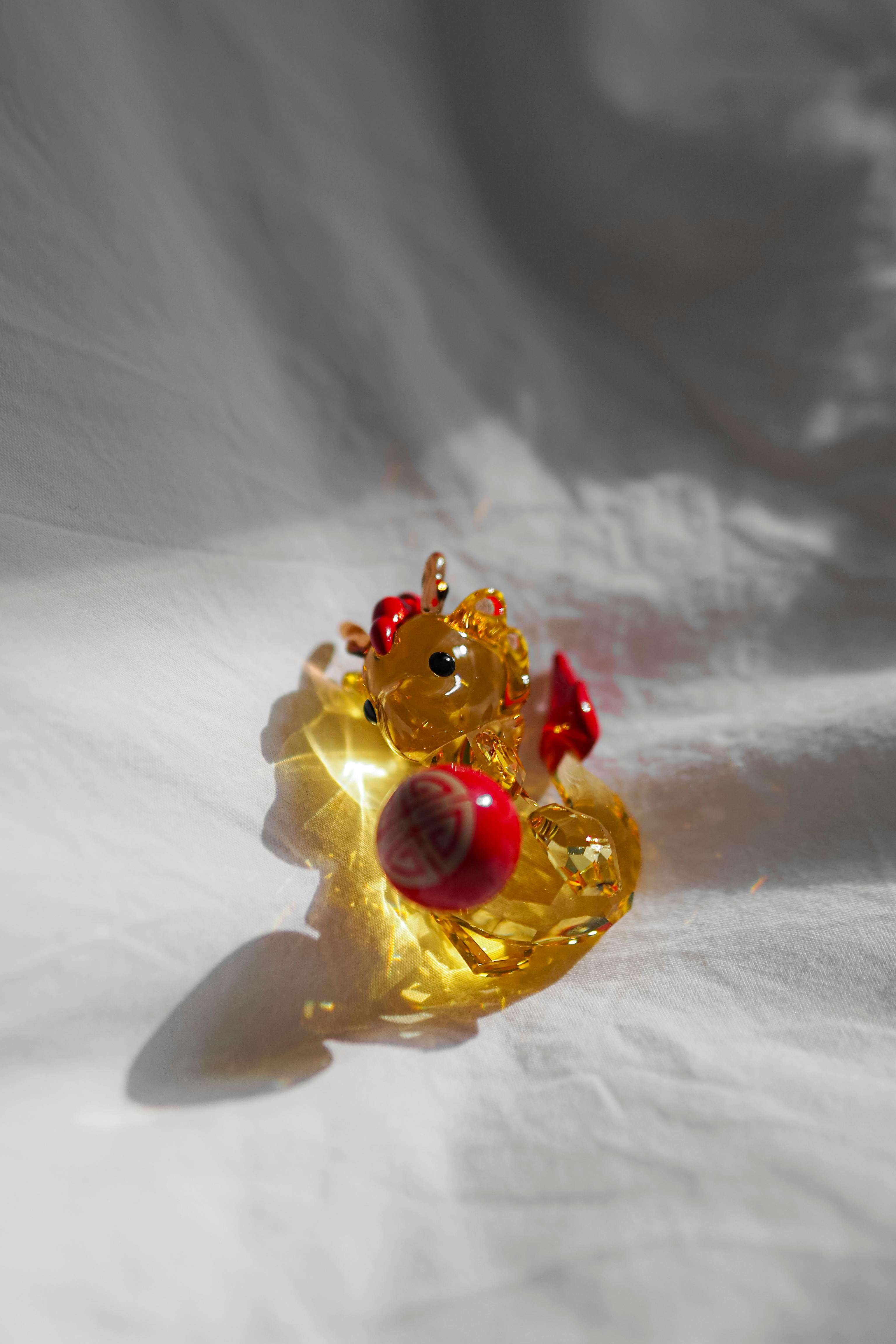
The category also stretches beyond jewelry. Swarovski appears in chandeliers, home décor, collectibles, accessories, and collaborations with fashion houses and designers. If you’ve ever seen a red-carpet gown or a stage costume that looked like it was hit by a clean shaft of light, there’s a decent chance Swarovski crystals were involved somewhere in the process. The company’s own product pages and brand coverage on design and luxury sites such as Vogue fashion coverage and Dezeen’s Swarovski features show how widely the material is used across fashion and design.
Here’s the kicker. Swarovski is valued less for rarity than for repeatable excellence. That’s not a flaw. It’s the whole point. In a world full of sloppy finishes and cheap shine, precision has its own charm.
Core Benefits/Importance
Why does Swarovski matter in the luxury market? Because it sits at the intersection of accessibility, design credibility, and visual impact. It gives people a way to buy into the luxury look without paying gemstone prices, and it gives designers a reliable material with predictable sparkle. That makes it commercially powerful and aesthetically useful, which is a rare combination.
- Visual brilliance: Swarovski crystals are cut to maximize light reflection, so they read as bright and polished rather than muddy or flat. That matters in jewelry, fashion, and décor.
- Design flexibility: The crystals can be shaped, colored, and applied in countless ways, from subtle accents to full theatrical coverage. That range is why fashion houses keep using them.
- Brand recognition: The swan logo and the name itself carry immediate recognition. In luxury, recognition is often half the battle.
- Craft consistency: Unlike natural stones, which vary widely, crystal can be made to a standard. For designers, that’s gold—well, not gold, but you know what I mean.
- Collectibility: Limited editions, figurines, and collaboration pieces create a secondary market and emotional attachment.
The honest truth is that Swarovski’s importance comes from restraint and control, not raw scarcity. Too many brands confuse price with prestige. That’s lazy. Swarovski built a business on repeatable precision, which is exactly what good manufacturing should do. There’s dignity in that kind of work. It is not flashy in the moral sense, only in the optical one.
For buyers, the benefit is practical. You get luxury-adjacent glamour without the maintenance and cost of precious gemstones. For designers, the benefit is creative freedom. For collectors, the benefit is a brand that has enough history to matter but enough breadth to remain relevant.
If you want a broader view of how luxury objects are judged by materials and craftsmanship, check Harper’s Bazaar luxury and fashion coverage and Forbes Luxury. They do occasionally state the obvious, but the market data and brand context are useful.
Let’s be real: crystal is not rare in the same way a Burmese ruby is rare. But rarity is not the only measure of desirability. A well-cut piece can still command attention, and attention is a currency in luxury. Sometimes that’s shallow. Sometimes it’s simply how human beings work.
Step-by-Step Guide/Selection Process
Buying Swarovski wisely is not hard, but it does require a little attention. That’s where many buyers fail. They fixate on shine and ignore provenance, finish, and intended use. I’ve seen plenty of people overpay for mediocre crystal because a store associate used the word “exclusive” three times in ten seconds. That should be a warning sign.
- Identify the purpose first. Decide whether you want jewelry, décor, figurines, or a gift piece. A necklace and a sculptural collectible do not have the same value logic.
- Check the brand marks. Genuine Swarovski items usually include brand-specific packaging, labeling, and finishing details. Look for consistent logos, clean engraving or printing, and careful assembly. Sloppy seams and misspelled tags are a red flag. No mystery here.
- Inspect the cut and uniformity. Swarovski crystals should show precision. Facets should look even, edges crisp, and sparkle consistent. A dull or poorly aligned piece is not doing the job.
- Compare the setting or mount. Crystal may be the star, but the metalwork matters. In jewelry, examine the clasp, prongs, plating, and join points. Cheap settings can make an otherwise decent piece feel flimsy.
- Buy from reputable sources. Authorized boutiques, the official website, and established luxury retailers reduce the risk of fakes. Marketplaces are useful, but they also contain more nonsense than most people want to admit.
- Think about wear and maintenance. Crystal can scratch, coatings can wear, and exposed settings can loosen. If you plan to wear the piece often, choose something with a practical design rather than a museum-level flourish.
- Judge value by use, not fantasy. If you want investment-grade assets, buy assets. If you want beauty, buy beauty. Don’t confuse the two because a salesperson smiled at you in a soft-light showroom.
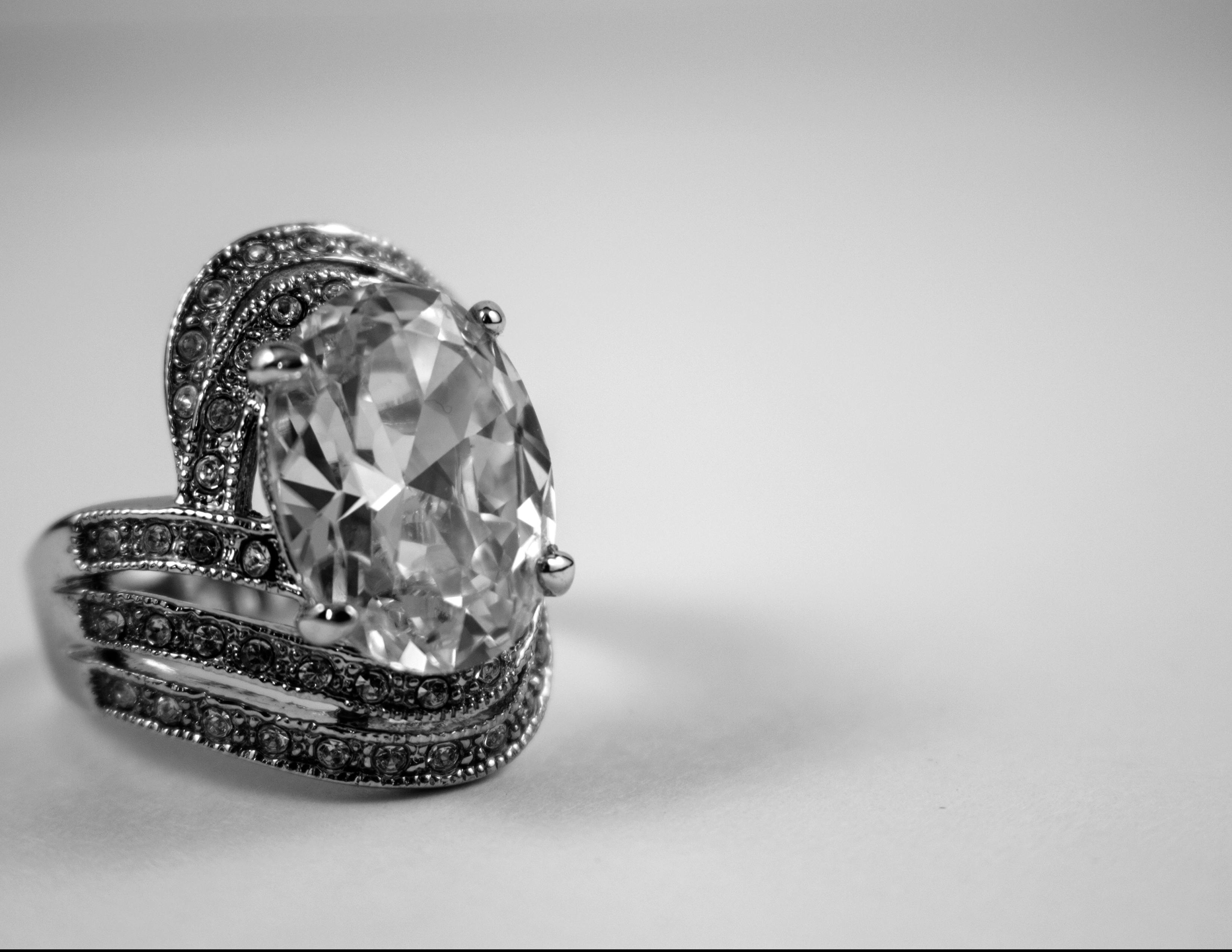
I’ve found that the best purchases are usually the least dramatic. A well-made pendant, a clean pair of crystal earrings, or a tasteful decorative object usually outlasts the loud trend piece. That’s true in fashion and in life. Quiet excellence ages better than theatrical excess.
One more thing. If you are buying Swarovski as a gift, think beyond the object. The packaging, presentation, and occasion matter. Luxury is not only about the thing itself; it’s about the care shown in giving it. That attention to order and generosity has a moral dimension, frankly, whether the marketers admit it or not.
For background on company standards and product identity, Swarovski’s own official website is the first stop. For broader market and design context, The Business of Fashion covers luxury branding and consumer shifts with more seriousness than most lifestyle sites.
Comparison Table
Swarovski is often compared with natural gemstones, but that comparison is only partly fair. They serve different purposes. One is a crafted crystal brand; the other is an inherently scarce mineral asset. Still, buyers compare them all the time, so let’s compare the actual value proposition instead of repeating brochure copy.
| Factor | Swarovski Crystal | Natural Diamonds/Gemstones |
|---|
| Material | Precision-cut crystal | Natural mineral or gemstone |
| Rarity | Manufactured and widely available | Limited by geology and mining |
| Visual Effect | High sparkle, uniform brilliance | Varies by cut, clarity, color, origin |
| Price Range | Lower to moderate luxury | Moderate to very high luxury |
| Design Use | Fashion, décor, gifts, accessories | Fine jewelry, investment pieces, heirlooms |
| Investment Value | Limited; mostly consumer and collectible value | Better long-term value retention in select cases |
| Brand Appeal | Strong brand recognition | Depends on stone quality and setting |
| Maintenance | Moderate; protect from scratches and wear | Moderate; depends on stone type |
The table tells the truth better than a thousand glossy ads. Swarovski wins on consistency, design flexibility, and immediate visual payoff. Natural gemstones win on scarcity, intrinsic material value, and long-term asset potential. Different tools, different jobs.
If you want a sparkling accessory that looks polished and makes sense as a fashion purchase, Swarovski is often the better choice. If you want a stone to pass down like a family relic, the comparison changes fast. Use the right standard. That sounds obvious, but luxury buyers regularly ignore obvious things.
Common Mistakes to Avoid
The biggest mistake is assuming all shine is equal. It isn’t. Cheap crystal often looks flat under normal light, and once you notice that, you can’t unsee it. Fine crystal has depth, edge definition, and a cleaner return of light. The difference is subtle until it is not.
- Buying for status alone: If you want the logo but dislike the object, stop. Luxury should at least please the eye.
- Confusing crystal with gemstones: Swarovski is crafted crystal. It is not trying to be a diamond, and pretending otherwise is silly.
- Ignoring the setting: A crystal can be lovely while the mount is junk. Examine the whole object.
- Overpaying on hype: Limited editions are fine, but scarcity marketing is often inflated. Ask whether the piece has real design merit.
- Skipping authenticity checks: Packaging, logos, purchase channel, and finish matter. Counterfeits usually fail one or more of those tests.
Frankly, the worst advice in luxury is “just buy what you love” without any standards attached. That line gets used to excuse lazy purchases. Yes, beauty matters, and yes, taste is personal. But good taste still involves discernment. It is not mere appetite.
There is also a spiritual wrinkle here, subtle but real: well-made objects should serve human flourishing, not vanity. A crystal piece can be a worthy expression of craftsmanship, celebration, and gifting. It becomes a problem only when desire outruns prudence. That goes for watches, handbags, wine, and every other luxury category too.
For more on authenticity and luxury brand discipline, see The PurseBlog for accessories and GQ Style for fashion and menswear context. They don’t always get it right, but they do cover the market with enough detail to be useful.
Frequently Asked Questions
Is Swarovski real crystal or glass?
Swarovski products are made from precision-cut crystal, which is a high-quality glass formula enhanced for brilliance and optical performance. It is not a natural gemstone. Still, the workmanship is the point, and the results can be striking when made well.
Is Swarovski expensive?
It depends on the item. Jewelry and accessories are usually priced above ordinary costume jewelry but far below fine jewelry with diamonds or precious stones. The brand occupies a middle tier: accessible luxury, not aristocrat nonsense.
How can I tell if Swarovski is genuine?
Check the branding, packaging, retail source, and overall finish. Authentic pieces typically show crisp detail and consistent craftsmanship. If the item looks crude, the seller is vague, or the price is absurdly low, be suspicious.
Is Swarovski worth buying?
Yes, if you want attractive, well-made crystal pieces for wear, gifting, or collecting. No, if you expect investment-grade rarity or gemstone-level asset value. That distinction matters more than most people admit.
Final Thought
Swarovski is useful because it proves that luxury does not have to be geological to be beautiful. The company’s appeal rests on precision, not scarcity; on design discipline, not bluster; on the simple fact that people still respond to light made orderly. That’s not a trivial thing.
I’ve always thought the best luxury objects are the ones that respect human labor. They should show care, proportion, and restraint, even when they sparkle like mad. Swarovski, at its best, does that. It makes an argument for craftsmanship without shouting about it, which is rarer than marketers think.
If you buy one piece, buy it for the right reason. Choose it because it is beautiful, well made, and suited to the life you actually live. That’s good stewardship, and it beats empty status every time.