<strong>What luxury actually buys.</strong> <em>It is the meeting point of meticulous craftsmanship, long-standing heritage, precious materials, and...
What Luxury Really Buys: A Practical Guide to High-End Goods, Travel, Dining, and Experiences
What luxury actually buys. It is the meeting point of meticulous craftsmanship, long-standing heritage, precious materials, and experiences designed to command time, attention, and memory for those who can afford them. Worth measured differently.
Key Takeaways:
- Luxury centers on Craftsmanship, Heritage, Materials, Investment Value, and Service Excellence.
- Not all high prices equal lasting value; provenance and build quality matter most.
- Choosing luxury means balancing stewardship, utility, and personal meaning.
What is Luxury?
Luxury means objects and experiences made with care and intention. It involves Craftsmanship, Materials, and Heritage that produce lasting emotion and utility. Most marketing is pretentious nonsense.
Frankly, I say that because I've examined hundreds of items and experiences over years, and the difference between a true heirloom and a seasonal fad is often obvious if you know what to look for. When I inspect a watch or a bespoke gown I look past logos to the movement, the stitch count, the provenance documents, and the way the piece feels in use—there's a moral quality to good work, a dignity in skilled hands that echoes the older teaching that beauty points toward something transcendent. Here's the kicker: true luxury favors repair and longevity over rapid replacement, and for those who see value in stewardship, that matters more than an Instagram moment.
Core Benefits and Importance
Tangible quality: precision in manufacture, superior materials, and finishes that age well. These traits reduce lifetime cost and raise the pleasurable return on use, from a watch's movement to a leather bag's patina. Service and access matter too.
Luxury buys you more than an object; it buys an ecosystem of service, expertise, and exclusivity—think lifetime warranties, bespoke alterations, and backstage access at cultural events. I emphasize provenance because brands with deep archives and verifiable supply chains offer predictable maintenance and clearer resale pathways, and that shifts a purchase from impulse to planned stewardship. Consider the way a hand-assembled timepiece with documented service records keeps time and keeps value, versus a mass-produced alternative that slips off warranty and into the trash heap; the difference is not merely cost but respect for labor and materials. The truth is that the best purchases create a relationship with the maker—repair becomes part of ownership, and that reflects an ethic of care rooted in the dignity of work.
Step-by-Step Guide: How to Choose Wisely
1. Define function and lifespan. Decide whether the item will be daily-wear, occasional-display, or a collectible, then match decision to maker and material. 2. Research provenance and materials.
3. Inspect craftsmanship: look for clean joins, symmetrical stones, consistent stitch counts, and hallmarks that trace to a verified workshop. 4. Consider resale and Investment Value: consult auction results and specialist marketplaces for brands where vintage prices climb. 5. Factor in service: good brands support repair and replacement parts—if a brand vanishes, your item becomes harder and costlier to maintain. When I advise clients I focus on use first; buy what you will use, not what impresses others. Let's be real, a handbag sitting in a closet is an expense, not an heirloom.

Comparison Table: Luxury Versus Premium Alternatives
The table below contrasts core attributes so you can judge where to spend and where to save.
| Feature |
Luxury Goods |
Premium Alternatives |
| Craftsmanship |
Hand-finished, artisanal, often with maker marks and archives. |
Machine-assisted with high QC, but fewer artisan touches. |
| Materials |
Rare or top-grade (natural gems, hand-selected hides, noble metals). |
High-quality but more common materials (gold-plated, lab stones). |
| Heritage |
Long brand history and documented provenance. |
Newer brands or vintage-inspired but shorter histories. |
| Service |
Concierge, lifetime repair, bespoke adjustments. |
Limited warranties and paid repair services. |
| Investment Value |
Often retains or appreciates if rare and authenticated. |
Typically depreciates; some designer items hold value. |
Common Mistakes to Avoid
Chasing logos over build quality. Logos are fashionable signals, not guarantees of fit or finish. Buying new because it’s new.
Many buyers fall for limited-edition drops and celebrity collaborations without checking who actually made the piece; that's how people pay more for less. Vintage often gives you superior materials and older finishing techniques that modern price-conscious production cannot match—so don't be ashamed to save money and find better craft from an earlier era. Another common error is ignoring repair pathways: a watch without spare parts becomes a paperweight, and a handbag without replacement hardware loses function. If you truly care about stewardship, plan for service and maintenance, because conscientious ownership is the real luxury in the long run.
Luxury Travel and Experiences: What Actually Pays Off
Luxury travel is not just nicer seats and bigger rooms. It trades friction for freedom—time saved, access granted, and memories deepened through guided expertise and exclusive moments. Is it worth the price? Sometimes.
Trip planning should begin with what you want to experience, not which brand will look best on social media; ask whether the premium saves time or unlocks access you couldn’t arrange yourself. For example, a private guide who speaks local dialects and gets you into preserved ateliers can be worth more than a suite upgrade, because the memory and learning compound—I've seen meaningful craft experiences that changed collectors' tastes for life. Hotels that prioritize quiet, privacy, and seasoned staff create a different kind of value than flashy lobbies and publicity stunts; choose based on service, not just gloss. When you travel, practical stewardship again matters: conserve resources, respect local artisans, tip fairly, and choose experiences that support durable cultural heritage rather than hollow spectacle.
Fine Dining and Spirits: Selecting What Delights and Lasts
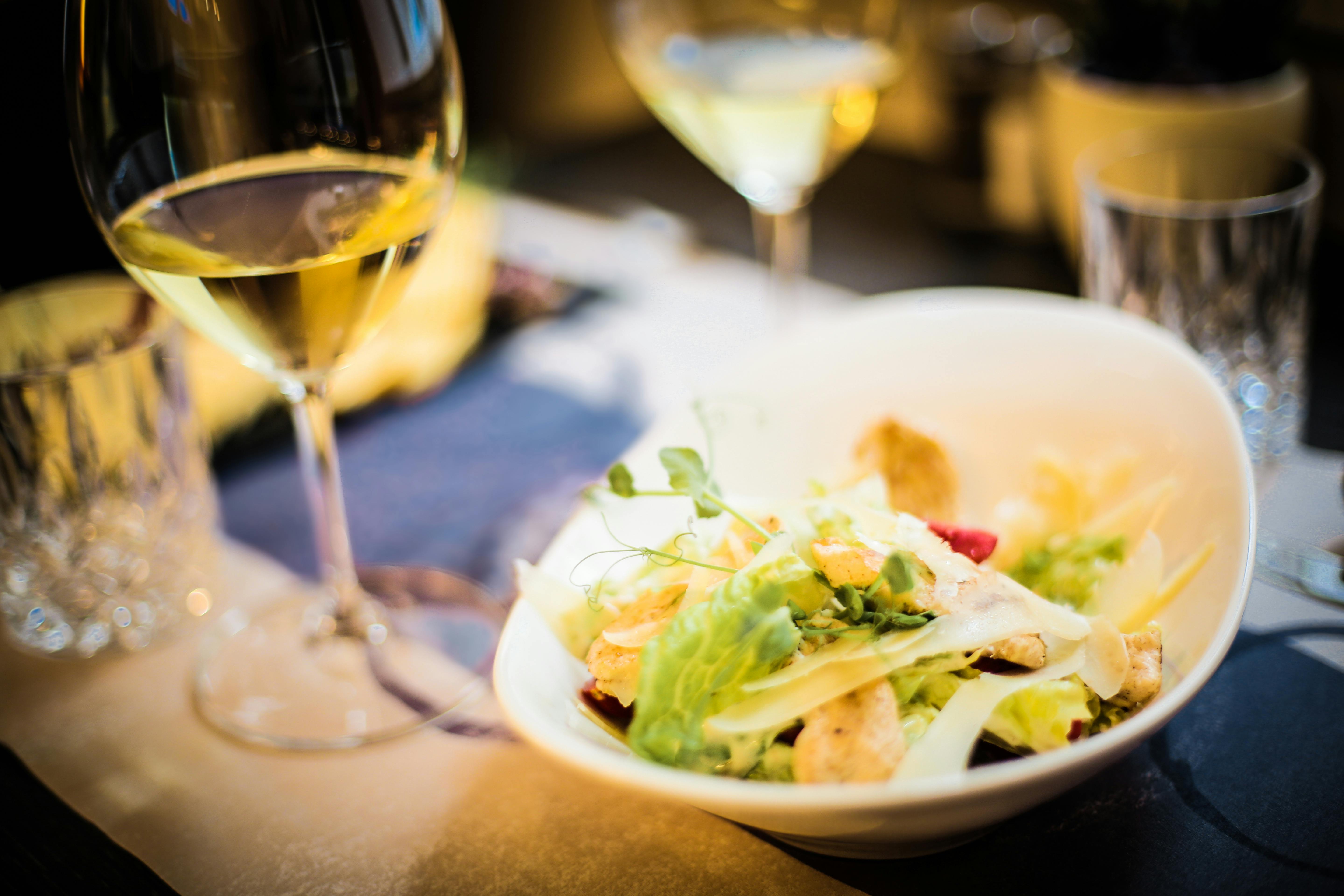
Fine dining is about craft, provenance, and seasonality. Top restaurants and sommeliers curate narratives—vineyard, vintage, and ingredient storylines—that amplify taste and memory. Drink well, eat intentionally.
When I evaluate a restaurant or spirit I ask: does the menu reflect respect for source materials, does the service educate rather than dazzle, and will this experience influence what I remember years from now? A single tasting menu that teaches you about terroir or technique can be a better use of funds than multiple generic meals, and the same applies to boutique spirits where distillation technique and barrel selection shape flavor in ways mass labels cannot imitate. Frankly, if you’re buying wine purely to impress, you missed the point; instead, seek bottles and meals that improve your palate and reward study. There's also an ethical side: support producers who treat workers and land well, because true luxury should reflect stewardship, not exploitation.
How to Build a Practical Luxury Wardrobe and Collection
Start with classics that fit your life. A well-cut coat, a durable pair of shoes, a reliable watch—these anchor a wardrobe. Buy fewer, buy better.
When I counsel clients I focus on proportion and repairability: choose items that can be adjusted as you change, and avoid extremes that will look dated or be unwearable. For watches, prioritize movement quality and service history—seek **Complications** that add function rather than mere bling. For jewelry, check the quality of settings and the authenticity of gems; loose prongs and bad settings are the real risks. For handbags, inspect seams and hardware; a reinforced base and replaceable straps are signs the maker thought ahead. The practical rule: if an item can't be repaired within 10 years, it fails the stewardship test.
Common Questions People Also Ask
Are luxury goods morally defensible? Yes, when purchases reflect stewardship, fair labor, and care for materials. Can luxury be sustainable?
Sustainability in luxury is real when brands disclose sourcing, ensure fair wages, and design for longevity; buying less and buying better often reduces waste compared to fast fashion. If you treat possessions as gifts to be cared for and passed on, then luxury becomes a way to honor labor and preserve beauty—ideas consistent with the age-old belief that beauty points upward and work has dignity. Ask brands tough questions about sourcing, repairs, and lifecycle, and reward those that answer honestly.
Final Thought
Beauty matters because it points to something beyond immediate utility. Buying well is an act of stewardship: it honors the people who make, the resources used, and the future who inherits. Spend slowly and repair faithfully.
Here's the truth: most luxury marketing is fluff, and most expensive items are not worth their tag on style alone. When you focus on **Craftsmanship**, **Heritage**, **Materials**, **Complications**, and **Investment Value**, you make purchases that withstand fashion cycles and reward care. In my experience, the few items that truly qualify as heirlooms are those made to be tended, repaired, and loved—products that recognize the dignity of work and the small transcendence of beauty. Be skeptical, be curious, and above all be responsible; wealth is a stewardship, and when used to cultivate excellence it can highlight what is best in human craft.
Sources & Further Reading:
- Robb Report — coverage on watches, travel, and luxury market trends.
- Vogue — reporting on couture, red carpets, and fashion heritage.
- Hodinkee — deep technical articles on watches, movements, and complications.
- Condé Nast Traveler — luxury travel reviews and hotel reporting.
- Forbes Luxury — market analysis and brand business coverage.