<strong>When historic perfume houses and contemporary scent Maisons share a city, a dialogue happens.</strong> <strong>The old firms bring...
When Old Perfume Houses Meet New Maisons: Craft, Commerce, and the City’s Scent
When historic perfume houses and contemporary scent Maisons share a city, a dialogue happens. The old firms bring heritage, slow craftsmanship, and a ledger of raw materials—while the new Maisons push innovation, audacity, and modern marketing. What actually shapes the global language of luxury fragrance?
Key Takeaways
- Historic houses emphasize craft, provenance, and archival formulas.
- Contemporary Maisons prioritize concept, novelty, and targeted storytelling.
- Both rely on materials, master perfumers, and brand aura to convey luxury.
- Smart stewardship and informed buying matter more than hype.
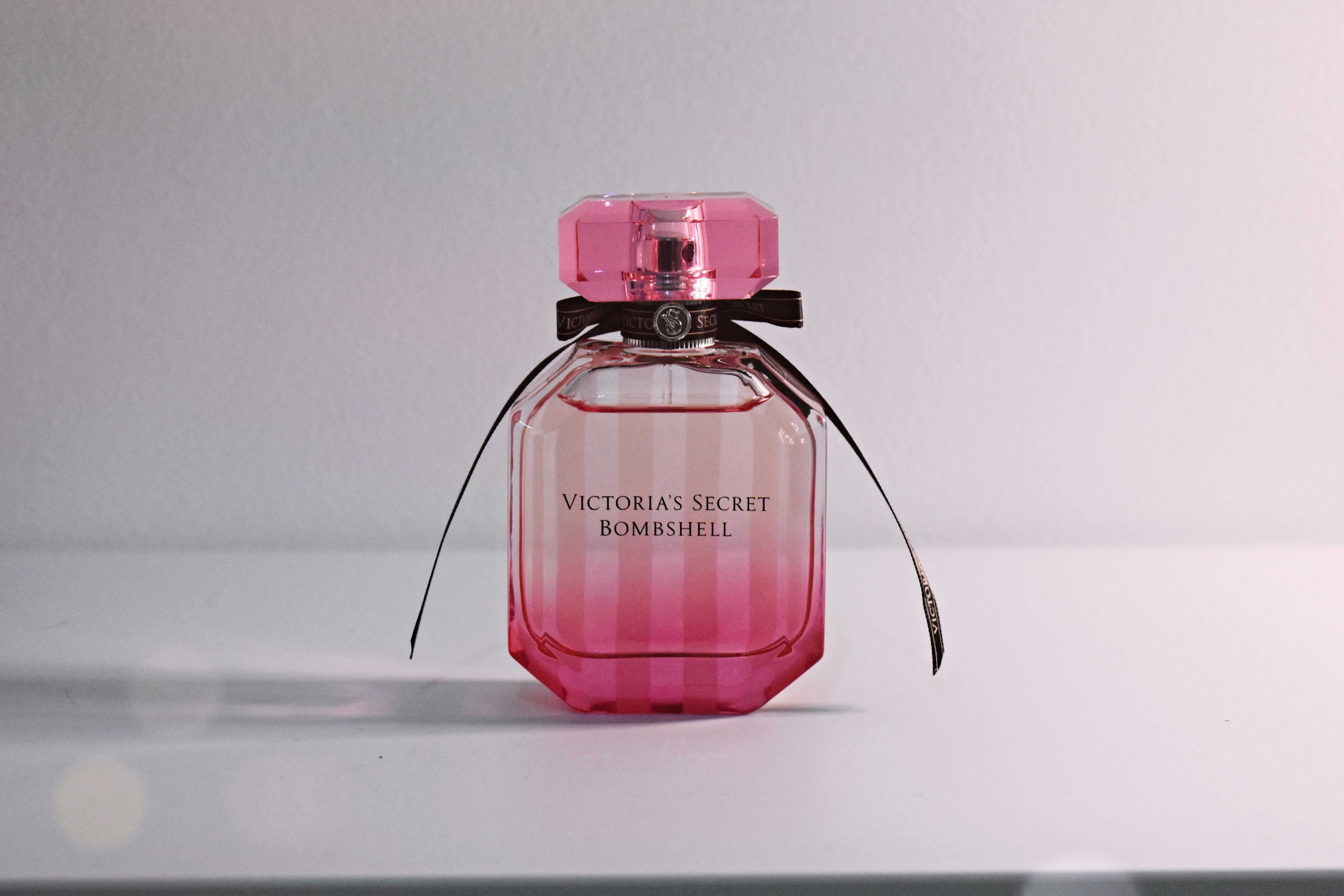
What is the meeting of historic perfume houses and contemporary Maisons?
Short definition first. Old perfume houses are institutions with documented provenance, archived formulations, and traditional supply chains, while contemporary Maisons are modern ateliers that create concept-driven scents, experiment with unconventional materials, and use provocative narratives to reach clients—both operate within the same urban ecosystem and influence global luxury fragrance trends. Clear contrast.
Historic houses ground their work in **Craftsmanship** and **Heritage**, which means sourcing aged absolutes, balancing accords with restraint, and maintaining production methods that respect raw-material seasonality and artisan skill. New Maisons, meanwhile, emphasize **Innovation** and experiential retail, creating limited drops and collaborations that grab headlines and social feeds, and they often hire celebrated noses or interdisciplinary artists to craft scent narratives that function as cultural commentary. Sensory value.
I’ve reviewed ateliers and archives for years. I can tell you that the two approaches are complementary more often than they are antagonistic, because both depend on similar pillars: exceptional **Materials**, skilled perfumers, distribution intelligence, and storytelling that justifies price. The truth is: beauty reflects an ordering beyond merely commercial motives—so stewardship and quality matter. Amen to craftsmanship.
Core Benefits and Importance
Old houses provide continuity. They preserve formulas and techniques that teach younger makers about balance, fixatives, and longevity without cheapening the raw material pool. New Maisons provide experimentation. They fast-track modern olfactory grammar, incorporate synthetic advances responsibly, and engage clients through limited editions and strong branding. Win-win.
Here’s why this matters for collectors, connoisseurs, and retailers: historic output often functions as an archive of perfume history—these are reference works for perfumers and collectors who want **investment value** or nostalgia in a bottle, while contemporary Maisons test the market with novel accords, packaging, and launch models that reveal consumer appetite for bolder concepts. Both sides shape market conditions and vocabulary, so ignore one and you miss context. The math is simple: supply and selective demand determine perceived exclusivity.
Frankly, most marketing is pretentious nonsense. What actually matters is how a scent performs on skin, the quality of raw materials, and whether the brand maintains honest sourcing and production. Here's the kicker: a well-made modern scent can outlast a hyped classic in relevance. Trust performance.
Step-by-Step Guide: How to Select Between Historic House and Contemporary Maison Scents
Start with purpose. If you want a signature that accumulates personal memory and resale potential, a classic from a historic house is often the safer choice, because archival prestige can support value over time—think careful stewardship. If you want to express a current mood or make a sartorial statement, contemporary Maisons usually offer fresher concepts and visible rarity. Decide intent.
- Smell blind, then test on skin. First sniff in the store is misleading; sprays interact with body chemistry over hours, and you must evaluate base notes and longevity. Short test.
- Check raw-material transparency and provenance. Research whether the brand discloses naturals like **oud**, **iris concrete**, or high-grade **rose otto**, and note ethical sourcing and sustainability claims—these affect scent profile and moral stewardship. Read labels closely.
- Compare concentration and formulation. Eau de parfum vs extrait, vs parfum de toilette: more concentration often means greater longevity and depth, but formulation quality matters more than sheer percentage. Choose smartly.
- Consider silage and season. A heavy oriental will overwhelm in summer, whereas a citrus chypre loses character in winter. Match fragrance family to calendar and wardrobe.
- Factor price-per-milliliter and scarcity. Some modern Maisons charge high prices for low-run bottles that are artistically valuable but not always practical. Think of acquisition as stewardship, not impulse. Invest wisely.
I use the same checklist whether I’m reviewing a Parisian maison or an emerging New York atelier. I rely on sensory testing, manufacturer information, and market data to separate meaningful craft from marketing noise. The faith I place in skilled hands—those who love fine work—reflects a small theological instinct that beauty and skill are ordered toward truth. Good craftsmanship honors the maker and the customer.
Comparison Table: Historic Perfume Houses vs Contemporary Maisons
| Feature | Historic Perfume Houses | Contemporary Scent Maisons |
|---|---:|---:|
| Heritage & Archives | Long documented histories, often centuries-old recipes | Shorter histories, emphasis on founder story and concept |
| Craftsmanship | Traditional techniques, provenance of raw materials, in-house labs | Experimental formulation, hybrid techniques, collaborations |
| Materials | High-use of natural absolutes and aged extracts | Mix of naturals and modern synthetics, creative accords |
| Production | Larger workshops, sometimes artisanal lines | Small-batch, limited editions and numbered releases |
| Marketing | Legacy branding, discreet prestige | Story-driven, influencer and limited-drop strategies |
| Price & Value | Often high but with collectible resale potential | Variable; some appreciate, some meant as ephemeral art |
| Distribution | Global boutiques, selective retail partners | Concept stores, pop-ups, online-first launches |
That table explains the practical contrasts clearly. Short and useful.
Common Mistakes to Avoid
Shopping by bottle design alone is foolish. Many consumers buy perfumes because packaging looks luxurious without testing performance—then regret the purchase. Simple mistake.
Another widespread error is chasing hype at launch. Limited drops create urgency and social proof, but majority of time-limited releases are priced for scarcity, not necessarily quality; I've seen many hyped editions fade from wardrobes quickly. Look at composition, not just scarcity, because longevity and sillage are what you wear. Don't be fooled.
Ignoring the place of season and wardrobe is also common. A kitchen-sink wardrobe of heavy orientals makes no sense for daytime city wear. Conversely, collecting only citrus soliflores will limit your winter wardrobe. Curate instead of hoarding. Be sensible.
Finally, believe claims cautiously. Brands will trumpet rare ingredients, but not all disclosures are verifiable. Ask for batch details and provenance for expensive naturals like **oud** or **iris**, because those substantially affect cost and scent profile. Demand transparency.
Frequently Asked Questions
How do I know if a perfume from an old house is worth its price? Short answer: check materials and performance. Long answer: evaluate the concentration, the presence of high-grade naturals like **rose otto** or **orris**, and provenance claims; also research how the brand maintains archives and whether the fragrance has a recorded history of consistent production—these factors influence collector value. Is that clear?
Are contemporary Maisons better for gifting? Yes and no. Contemporary Maisons often package stories that resonate and present safer novelty, but they can be polarizing; if you know the recipient's tastes, a modern Maison can be thrilling, whereas a classic from a historic house often reads like a safe, respectful gift especially for older recipients or collectors. Choose with knowledge.
Do perfumes from historic houses age well like wine? Not always. Some formulations evolve poorly if stored badly, but many high-quality parfums with stable fixatives and balanced accords can remain pleasant for decades when kept cool and dark. Consider proper stewardship if you collect. Worth the effort?
How should I store my collection? Store in cool, dark places away from sunlight and heat, keep bottles upright, and buy in sensible quantities—opened bottles will oxidize over time. Practical advice.
Final Thought
Beauty matters. It orders the soul in small ways and rewards careful eyes and patient hands. Historic perfume houses and contemporary Maisons are not enemies; they are parts of a conversation where **Craftsmanship**, **Materials**, and **Narrative** overlap and sometimes clash—yet the best outcomes emerge where rigor meets imagination, and where stewardship trumps spectacle. Remember that luxury is not only price and prestige; it is the dignity of making and the respect for what the maker offers, and that principle has deep roots in a tradition that values honest labor and ordered beauty. That said, be skeptical of noise, test on skin, prefer transparency, and cultivate a collection that reflects measured taste rather than momentary hype. In the end, scent marks memory, and that is both a human thing and, quietly, a sacred one.
