<strong>Why cultural icons still matter.</strong> Brands may try clever digital muses and simulated faces with manufactured charisma, but real human icons...
Why Cultural Icons Outperform AI Influencers in Luxury Culture
Why cultural icons still matter. Brands may try clever digital muses and simulated faces with manufactured charisma, but real human icons carry history, touch, and the messy gravity of lived influence that synthetic avatars cannot reproduce. True authenticity?
Key Takeaways:
- Cultural icons offer multi-sensory authenticity that builds trust and long-term value.
- Luxury goods rely on Craftsmanship, Heritage, Materials, and Investment Value more than on viral reach.
- AI influencers can scale attention but rarely translate to meaningful brand equity for high-end purchases.
- Choose ambassadors and experiences that reflect stewardship and dignity of work, not just short-term metrics.
What is Luxury Culture and Why Does Authenticity Matter?
Art, craft, product.
Luxury culture is the intersection of Craftsmanship, Heritage, Materials, Complications, and Investment Value that gives goods and experiences their premium status, and it depends on human stories; I have examined hundreds of launches and campaigns, and here's what actually justifies a high price: consistent excellence, provenance, and social proof from respected figures; the brand story must be believable and tactile or it collapses under scrutiny.
The truth is that a simulated personality can accumulate impressions, but impressions do not replace the tactile reassurance of a watch winding in your palm or the smell of saddle leather, or the opinion of a collector who has spent decades learning to read a dial or a stitch.
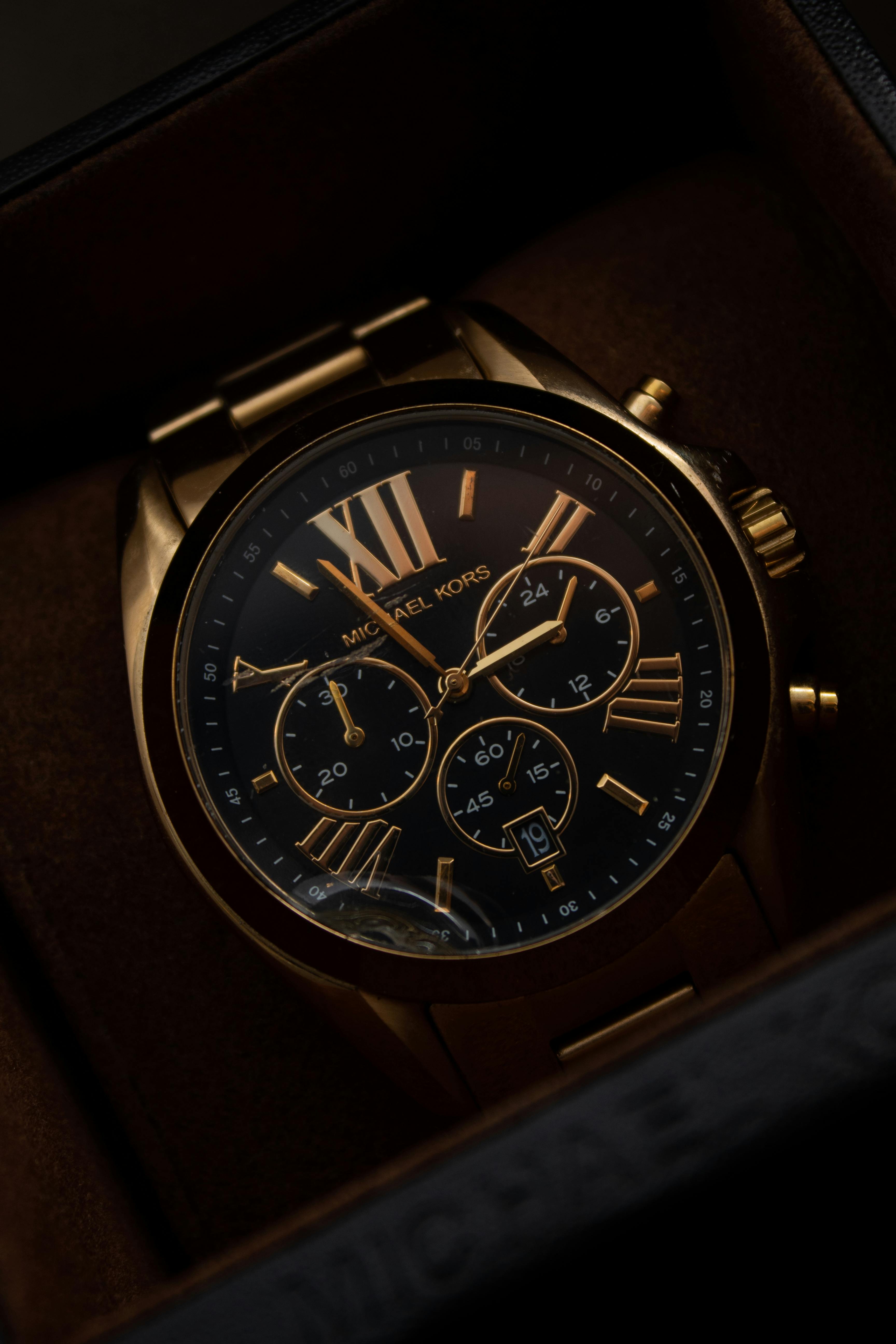
People buy more than objects.
They buy continuity, workmanship, and a thread that connects a present moment to a history of practice, which is why endorsements from actors, chefs, and artisans who have real ties to a craft register differently with luxury customers than endorsements from fabricated personas; the Catholic intuition that beauty points to what is greater helps explain why many buyers seek meaning and stewardship in purchases rather than mere novelty.
Provenance matters.
Core Benefits and Importance of Cultural Icons Versus Digital Muses
They build trust slowly.
A cultural icon brings lived credibility, proven by years of public association, curatorial taste, and the ability to contextualize objects and experiences across time, which connects directly to the Investment Value and emotional resonance of luxury purchases, so when a renowned collector or a master craftsman lends their weight to a piece, markets and consumers pay attention because the message is anchored in real expertise and repeated public acts rather than engineered scripts.
Is reach enough? No.
Short-term virality deceives.
Viral campaigns and AI faces can create spikes in engagement that look impressive on dashboards, but they lack the tactile follow-through—private salons, in-person tastings, atelier access—that translate curiosity into high-ticket purchases; the brands that confuse reach with resonance often find themselves buying empty attention instead of durable patronage, which frustrates collectors who prize stewardship.
Long view wins.
They add investment lift.
Endorsements from trusted figures can increase resale values and desirability for assets like luxury watches and collectible spirits because collectors consider endorsements as part of provenance, and that, paired with documented craftsmanship, creates measurable market movement that AI-driven campaigns struggle to shift for items where tactile and historical verification are required.
Quality endures.
Step-by-Step Selection Process for Ambassadors and Experiences
Start with mission fit.
When I choose collaborators for a brand, I first match the ambassador’s track record to the product’s Heritage and technical story, and then I look at how that person frames craftsmanship and the dignity of work—because those cues matter to affluent buyers; this reduces the risk of mismatch and ensures the collaboration can be documented and defended in collector conversations.
Measure fit, not fame.
Test low and slow.
Commission a short-run collaboration or a pop-up experience with rich documentation—video interviews, atelier visits, provenance notes, and exclusive tastings—and then measure engagement from verified buyers, not vanity metrics; I often recommend limited drops with traceable lot numbers so that you can watch whether the partnership genuinely moves purchase intent among your highest-value customers.
Proof before scale.
Prioritize multi-sensory formats.
Private tastings, atelier visits, and physical demonstrations convert interest into conviction because they allow customers to experience texture, weight, aroma, and sound—sensory inputs that an algorithm cannot fully transmit—so structure activations that require presence and create a narrative of care and continuity around the item or experience.
Experience matters.
Avoid over-reliance on algorithms.
Algorithms can amplify noise quickly, but for luxury brands the correct balance is a measured media mix that includes editorial partnerships, collector outreach, and curated events; the brands that survive cycles of taste are those that treat customers as stewards who value provenance and continuity, not just transient impressions.
Stewardship first.
Comparison Table: Cultural Icon vs AI Influencer
Read the table.
| Feature |
Cultural Icon |
AI Influencer |
| Authenticity |
High — lived history, craft endorsements |
Low — simulated persona, crafted narratives |
| Emotional Resonance |
Deep — multi-generational memory and trust |
Shallow — engineered responses and predictability |
| Proof of Craft |
Direct — often has real connection to artisans |
Indirect — relies on scripted content |
| Longevity of Impact |
Long — can raise investment value |
Short — often trend-driven |
| Scalability |
Moderate — selective, high impact |
High — easy to replicate and scale |
| Cost Efficiency |
Expensive but durable ROI |
Lower initial cost, poor long-term ROI |
| Use Case |
Premium watches, fine jewelry, haute cuisine, bespoke travel |
Fast-fashion tie-ins, awareness campaigns, mass reach |

Common Mistakes to Avoid
They confuse metrics for meaning.
Choosing ambassadors based purely on follower counts and short-term engagement is a common error, because luxury decisions hinge on trust, provenance, and sensory proof; brands need to value long-term metrics such as customer lifetime value, resale premiums, and collector endorsements over ephemeral social spikes, otherwise they fund illusions of prestige that evaporate when a campaign ends.
Don’t bargain away reputation.
They ignore the context of consumption.
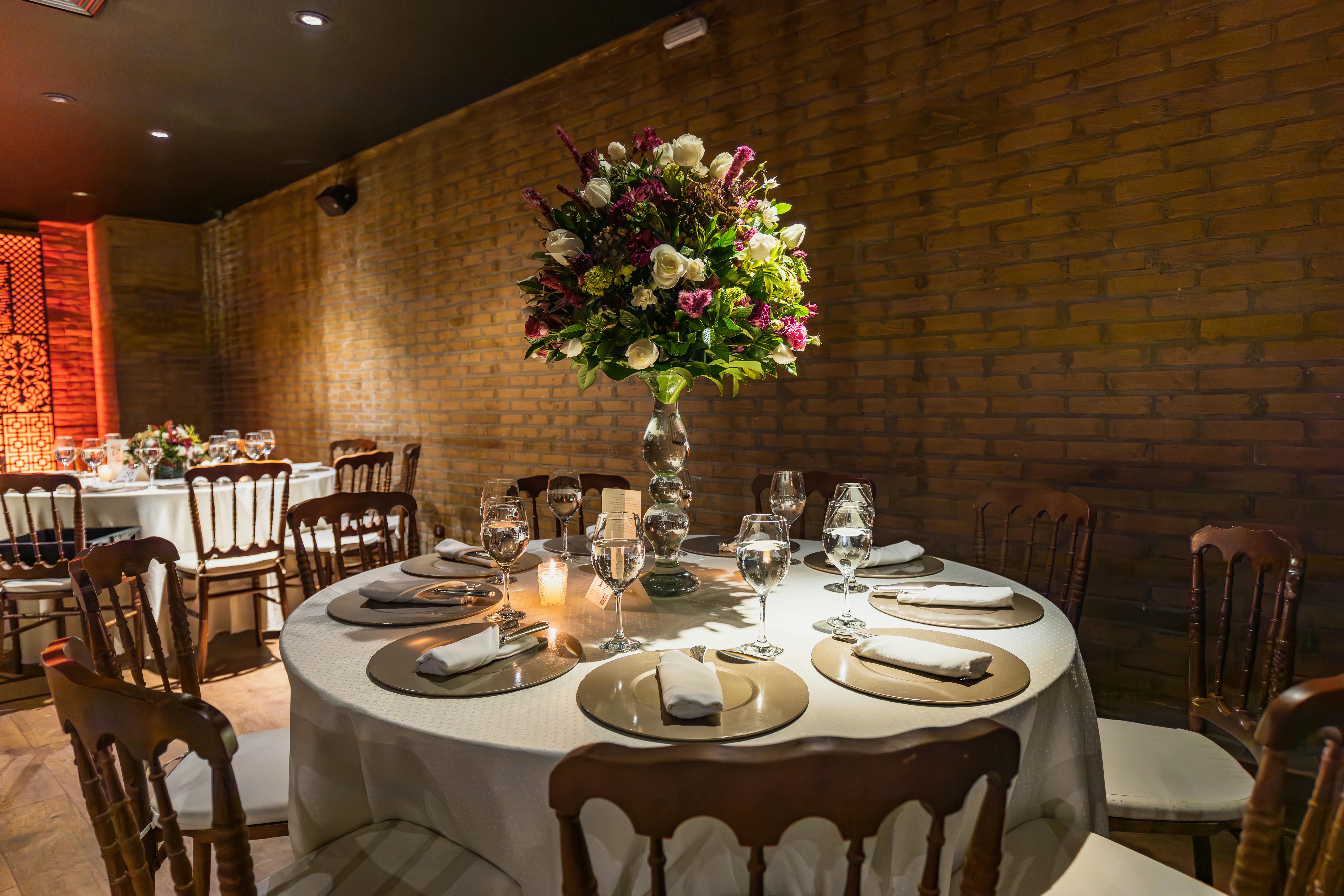
Luxury is often consumed in private rooms, on long dinners, or during once-in-a-lifetime travels, and brands that fail to design settings and rituals for consumption miss the point; integrate partnerships that create ritual—private tastings, bespoke itineraries at a partner resort, and tailor-made trunk shows—to honor the customer’s desire for dignity and meaning.
Context counts.
They treat collaborations as disposable.
One-off stunts can get press, but they rarely build the layered trust necessary to justify higher price points, so commit to long-term relationships with cultural figures who can show ongoing involvement with craftsmen, chefs, designers, and curators; this commitment signals seriousness and echoes the scriptural sense that good work deserves care and preservation.
Commit, don’t hype.
Frequently Asked Questions
Can AI influencers ever replace cultural icons for rare purchases?
No.
AI influencers can raise awareness and make fun, novel content, but for purchases that require tactile verification and provenance—such as high-end watches, rare jewels, and bespoke travel—buyers look for lived testimony and documented craftsmanship that simulated figures rarely offer.
Are AI influencers cheaper?
Short-term yes.
The initial cost per impression is normally lower for AI-driven campaigns, but the lifetime return, brand equity, and collector confidence are often worse, making cultural icons the better investment for premium goods and experiences.
How should a luxury brand test a new ambassador?
Start small.
Run a pilot collaboration, document the process, and measure conversions among verified buyers rather than chasing vanity metrics; use curated events and private viewings to see whether the partnership genuinely moves the needle with high-value customers.
Final Thought
Beauty points to what is beyond us.
Luxury is not merely about acquiring objects; it is an act of appreciation that honors skill and reflects a higher order of beauty and truth, which is why stewardship and the dignity of work matter for brands that intend to last—when I reviewed campaigns that proved durable over decades, the common factor was a commitment to craft, meaningful ambassadors, and experiences that honored the customer as a steward rather than a short-term buyer.
Choose wisely.
Sources and further reading: Bain & Company luxury insights, Vogue Business, Robb Report, Condé Nast Traveler, McKinsey & Company.
Internal resources: read more about luxury watches, explore curated luxury travel experiences, and book private stays at partner luxury hotels.