<strong>Why luxury brands use horse imagery is simple:</strong> horses signal <strong>performance</strong>, <strong>heritage</strong>, and...
Why Luxury Brands Use Horses: The Visual Logic Behind Equine Logos
Why luxury brands use horse imagery is simple: horses signal performance, heritage, and uncompromising craftsmanship at a glance, and that visual shorthand helps premium brands translate complex value—materials, provenance, and investment value—into a single emblem that consumers instantly process and remember.
Key Takeaways:
- Equine imagery conveys speed, reliability, and classical elegance.
- Horse logos work across categories from Watches to Automotive to Fashion because they imply craft, pedigree, and utility.
- The use of a horse can raise perceived investment value—but only when backed by genuine craftsmanship, heritage, and consistent brand storytelling.
- Beware hollow symbolism: marketing alone won’t justify high prices without quality, provenance, or service.
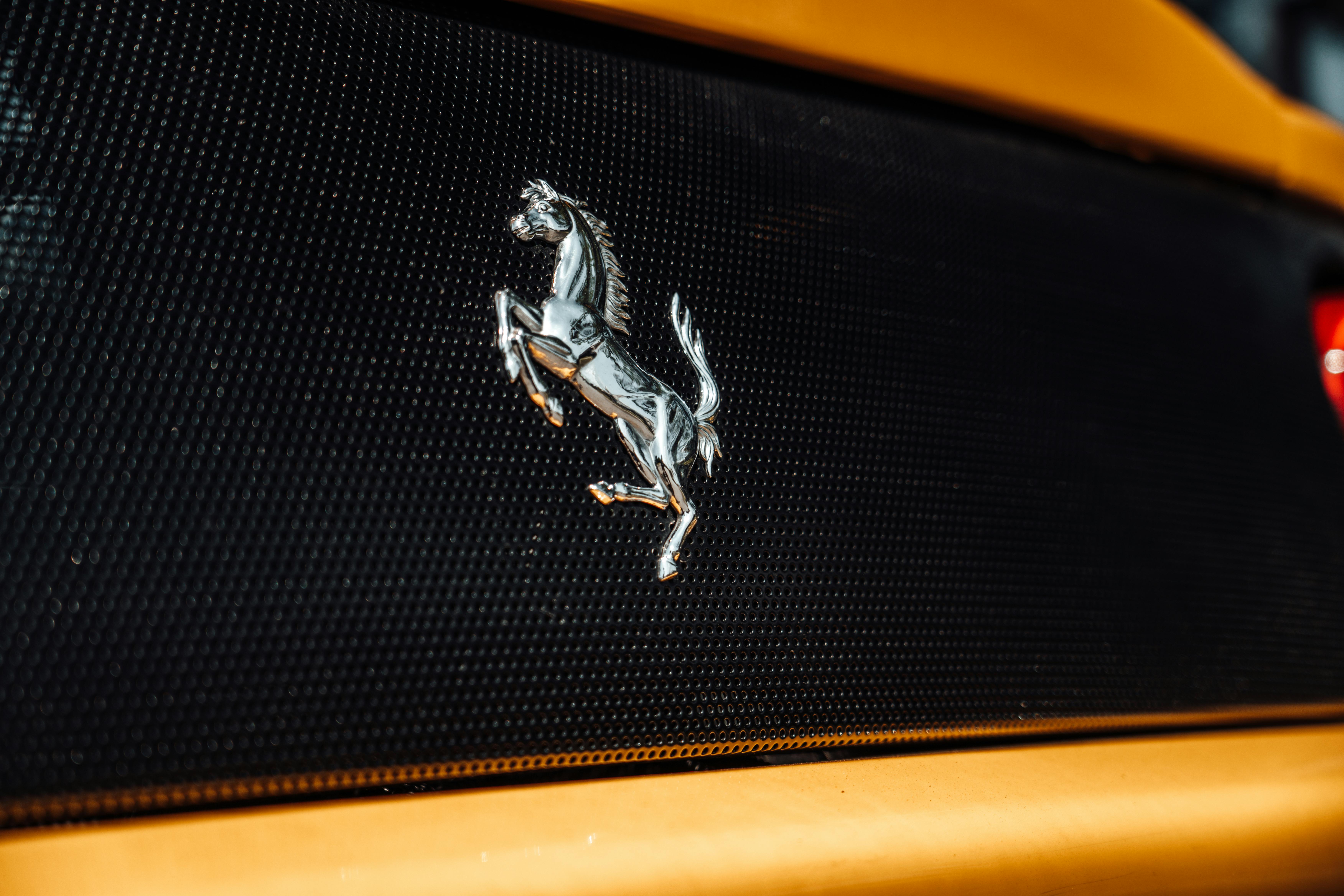
What is an equine logo and why does it matter?
An equine logo is a brand mark that uses horse-related imagery—figures of horses, jockeys, prancing stallions, or horse carriages—to signal a set of values and capabilities.
These values include performance, heritage, craftsmanship, and sometimes aristocratic leisure, and because consumers make rapid visual judgments, a single emblem can stand in for a long marketing story about materials, provenance, and service.
Which brands do this best?
The prancing horse of Ferrari, the polo mounted figure of Ralph Lauren, the carriage and horse of Hermès, and the subtle equestrian marks of Longchamp each use equine symbolism differently, but they converge on similar impressions: speed where performance matters, trust when pedigree is critical, and refined taste when aesthetics are primary.
Those brands also anchor their emblem in documented heritage—archives, museum pieces, and clearly stated provenance—which is why a horse mark has mileage; it’s not decoration, it’s a claim that can be checked.
Do brands ever abuse the horse motif?
Core Benefits/Importance
Short signal, long meaning, potent recall.
An equine logo compresses claims about Materials, provenance, and workmanship into a single, legible icon that functions as a heuristic for consumers, and when you add the quiet moral argument that beauty and craftsmanship reflect a higher order, the emblem starts to feel less like advertising and more like a promise about stewardship and care.
Effective, yes.
Here are the immediate benefits in plain terms:
- Instant association with performance and reliability—especially useful for cars and timepieces.
- Clear link to heritage—brands with archives and documented production histories gain immediate credibility.
- Implied craftsmanship—horse motifs carry connotations of saddlery, leatherwork, and artisanal skill.
- Cross-category flexibility—the horse reads well on a handbag, a watch crown, or a radiator grille.
- Perceived investment value uplift—collectors prize heraldry and well-curated brand history.
Here’s the kicker: none of this matters if the product fails on basics—the stitching, the movement’s complications, the finish of the chassis, or the accuracy of provenance records.
Frankly, logos are persuasive until proved otherwise.
Step-by-Step Guide/Selection Process
Short check. Long-term peace of mind.
When you consider a luxury item with an equine emblem, assess both symbol and substance: examine Materials, request provenance, check service networks, and compare resale performance to understand true investment value; do not buy Emblem-Only goods, because signifiers require support in the actual object.
Ready?
- Verify provenance. Request paperwork, serial numbers, or archive access—especially for Hermès-style leather goods or limited edition watches. Short ask. Essential evidence.
- Inspect craftsmanship. Look at stitching, edge finishing, complications in watches, and hardware quality; uneven stitching is a red flag. Tiny flaw. Big consequence.
- Audit brand archives. Check whether the brand publishes its history, shows restorations, or offers museum-level transparency—these factors protect scarcity claims. Institutional proof. Valuable.
- Check service and parts availability. Brands that support restoration and have certified service centers maintain resale value and preserve heritage. Ongoing care matters.
- Compare secondary market performance. Use auction results, certified pre-owned platforms, and specialist dealers to assess investment value over time. Numbers tell truth.
I’ve looked closely at dozens of pieces, and the ones that keep value pair a credible emblem with verifiable craft and good service.
Here’s what actually works.
Comparison Table
Below is a compact comparison between equine logos and their most obvious competitor in prestige symbolism: the lion and broader feline heraldry.
| Attribute | Equine Logos | Lion/Feline Logos |
|---|---:|---:|
| Typical associations | **Performance, nobility, horsemanship** | **Dominance, courage, regality** |
| Common sectors | **Automotive, Fashion, Leather, Watches** | Sports teams, media, luxury fashion |
| Heritage fit | Strong with saddlery and equestrian sports | Strong with heraldry and monarchy |
| Perceived performance cue | High—suggests speed or endurance | Moderate—suggests power or dominance |
| Investment signal | High when backed by provenance | High when backed by exclusivity |
Which wins in practice? It depends on context: a horse resonates when the brand wants to imply movement, travel, or craftsmanship rooted in riding culture; a lion works better when the claim is raw power or royal patronage.
Choose the right animal for the claim.
Common Mistakes to Avoid
Short symbol, long consequences, sharp buyer remorse.
Many brands misapply equine imagery through lazy extension: they slap a horse on unrelated goods, they copy an emblem without owning the relevant history, or they claim handcrafted provenance without documentation, and all these moves erode trust and hurt long-term brand equity.
Ugly truth.
Here are the common pitfalls in buyer-friendly language:
- Symbol without substance. A stamped horse on poor leather is advertising, not heritage—don’t be fooled.
- Mismatched category. A prancing stallion on a disposable tech gadget looks like a costume accessory, not a luxury claim.
- Overreliance on celebrity endorsements. Fame masks faults temporarily; it does not create craft or improve Materials.
- Ignoring aftercare. If the brand won’t repair or service, scarcity and provenance claims decay quickly.
The truth is, most luxury marketing is pretentious nonsense, and a logo becomes worthless if the maker cannot sustain craftsmanship and service.
Be skeptical.
Frequently Asked Questions
Q: Do equine logos increase resale value?
A: Often they do, but only if the brand provides provenance, consistent Materials, and a stable service network; horses help perception, not guarantee auctions.
Q: Which sectors use horses most effectively?
A: Automotive, fashion, leather goods, and watches use equine marks best because of historic ties to riding, carriage-making, and horology.
Q: Is a horse logo an indicator of real craftsmanship?
A: It can be, but it’s not proof by itself; always inspect stitching, mechanisms, complications, and documented history.
Final Thought
Symbols mean something, and horses mean useful things when the rest of the brand is honest.
Beauty, in the liturgical sense, points beyond itself, and that quiet belief—that craft matters, that work has dignity, and that stewardship of materials is an ethical act—can be felt in a well-made saddle or a correctly finished watch movement, and brands that respect that principle succeed because consumers can sense authenticity even when they aren’t fluent in every technical term.
Keep your eyes open.
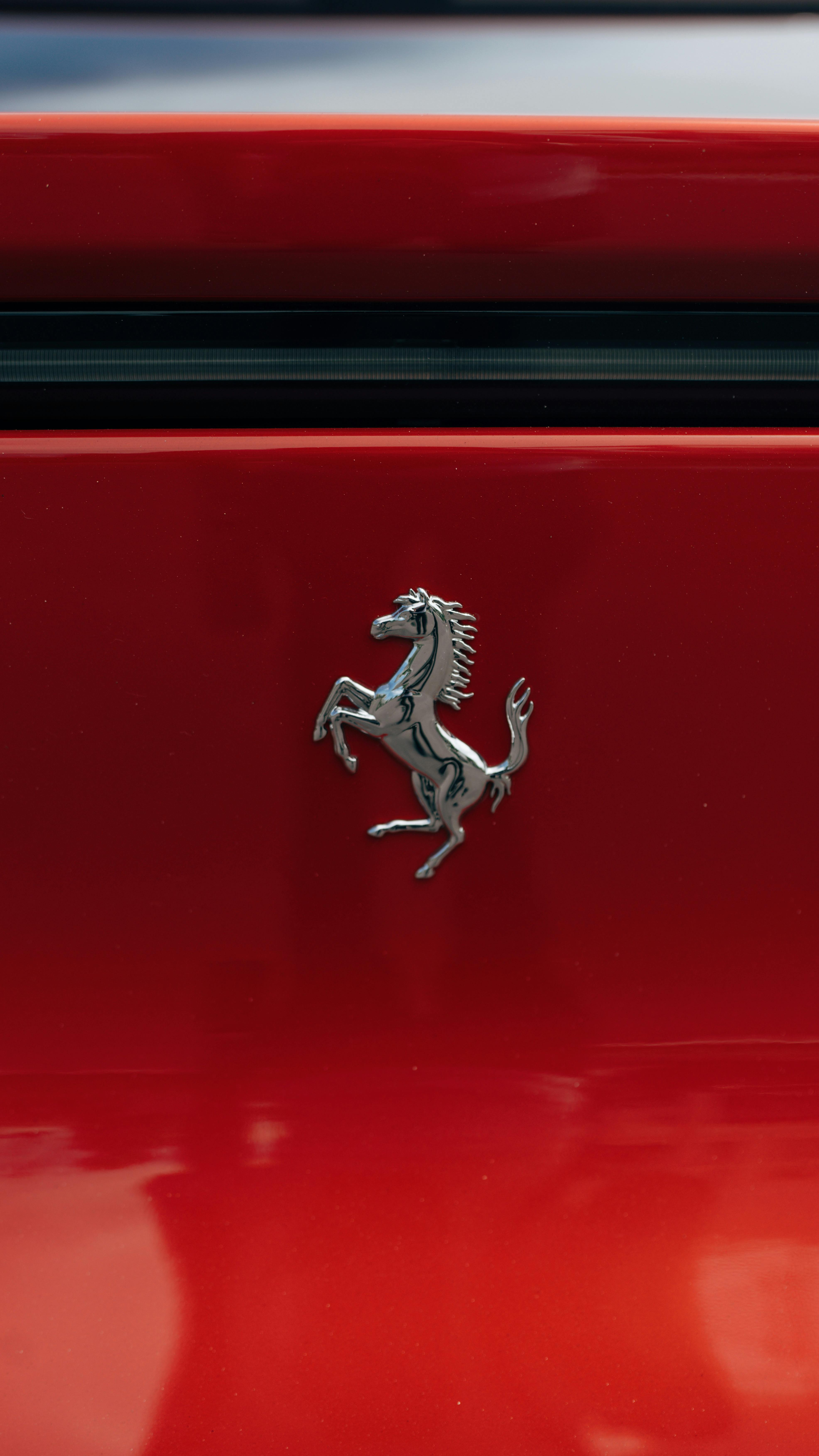
When you buy a luxury object with an equine logo, insist on paperwork, go look at the stitching, ask about service, and value the story only when documentation proves it; that’s prudence, not snobbery, and it honors real craftsmanship the way tradition honors skilled labor in any trade.
Final word: a horse emblem is powerful when it points to actual craft and care, and otherwise it’s just decoration.