Wealthy travelers are heading to Sweden’s west coast for a reason. It offers <strong>quiet luxury</strong> instead of noisy status, and the mix of harbor...
Why Wealthy Travelers Are Flocking to the Hamptons of Sweden
Wealthy travelers are heading to Sweden’s west coast for a reason. It offers quiet luxury instead of noisy status, and the mix of harbor towns, serious food, and sea air gives affluent visitors something too many hotspots have forgotten: restraint. Why now? Because taste, privacy, and craftsmanship matter more than ever.
Key Takeaways- Sweden’s west coast sells understated luxury, not theater.
- Celebrity chefs and design-forward inns have lifted the region’s profile.
- The strongest draws are privacy, seafood, sailing, and Scandinavian calm.
- Luxury here works because it feels made, not marketed.
- The best trips reward travelers who prefer quality over noise.
What is the Hamptons of Sweden?
The phrase is a nickname for Sweden’s polished west coast, especially places like Marstrand, Smögen, and Fjällbacka, where summer houses, yachts, and refined inns attract affluent city dwellers. The comparison with the Hamptons is useful, though not exact. Both are coastal retreats for wealthy people who want sea air, high-end dining, and a social scene. But Sweden’s version is cooler, calmer, and much less interested in showing off.
That difference matters. Most luxury branding is bloated nonsense, and I say that after years of reviewing upscale travel: if a place needs to shout, it usually has less to offer than it claims. Here, luxury is expressed through design, heritage, and the sort of workmanship you can feel in a well-built dock, a linen-dressed table, or a room that actually makes sense. The beauty is plain, but not boring. It feels earned.
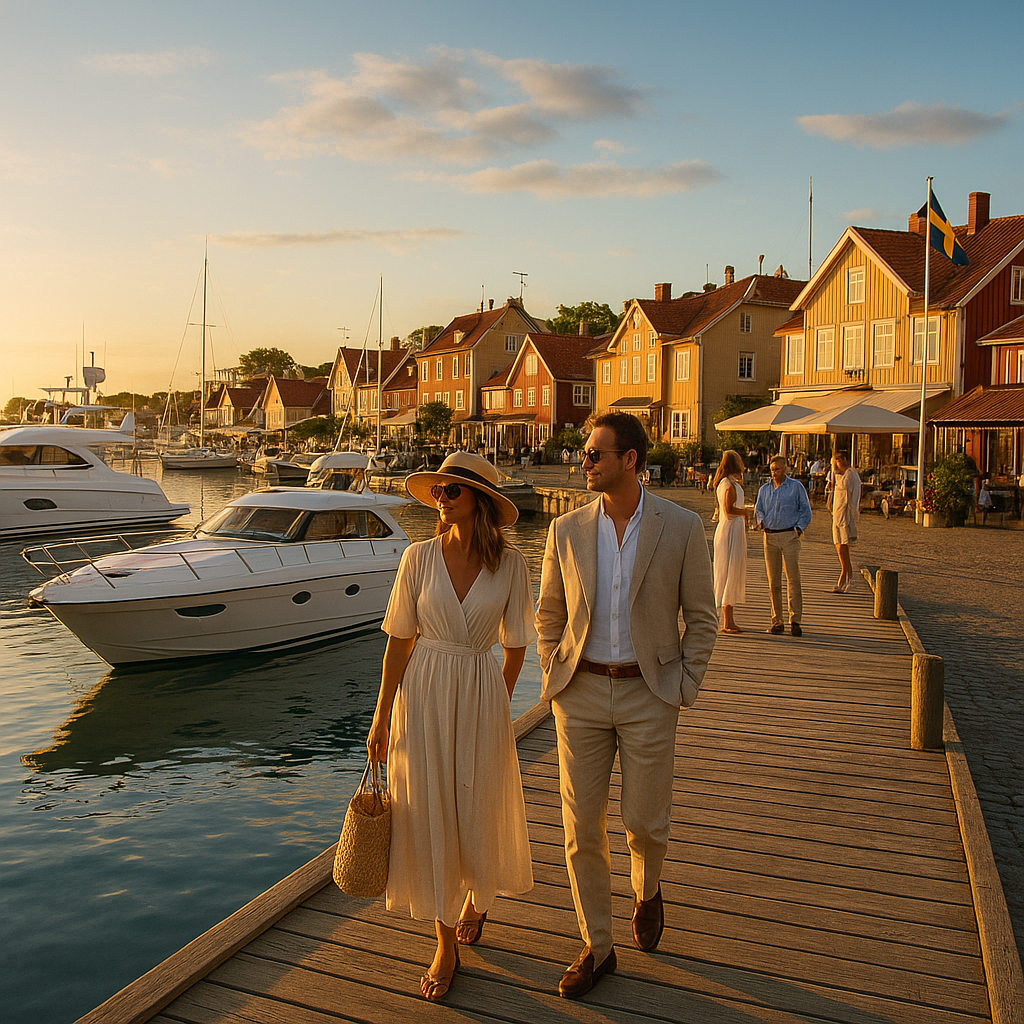
There is also a deeper cultural appeal. In a region shaped by weather, water, and long winters, excess looks vulgar pretty quickly. So the best inns and restaurants lean into materials that age well: stone, wood, wool, glass, and steel. That may sound like design jargon, but it is really just good stewardship. In the Catholic sense, beauty is not meant to be a selfish bauble; it should point to order, excellence, and gratitude for what has been given. A coastal inn that respects its setting gets that right without making a speech about it.
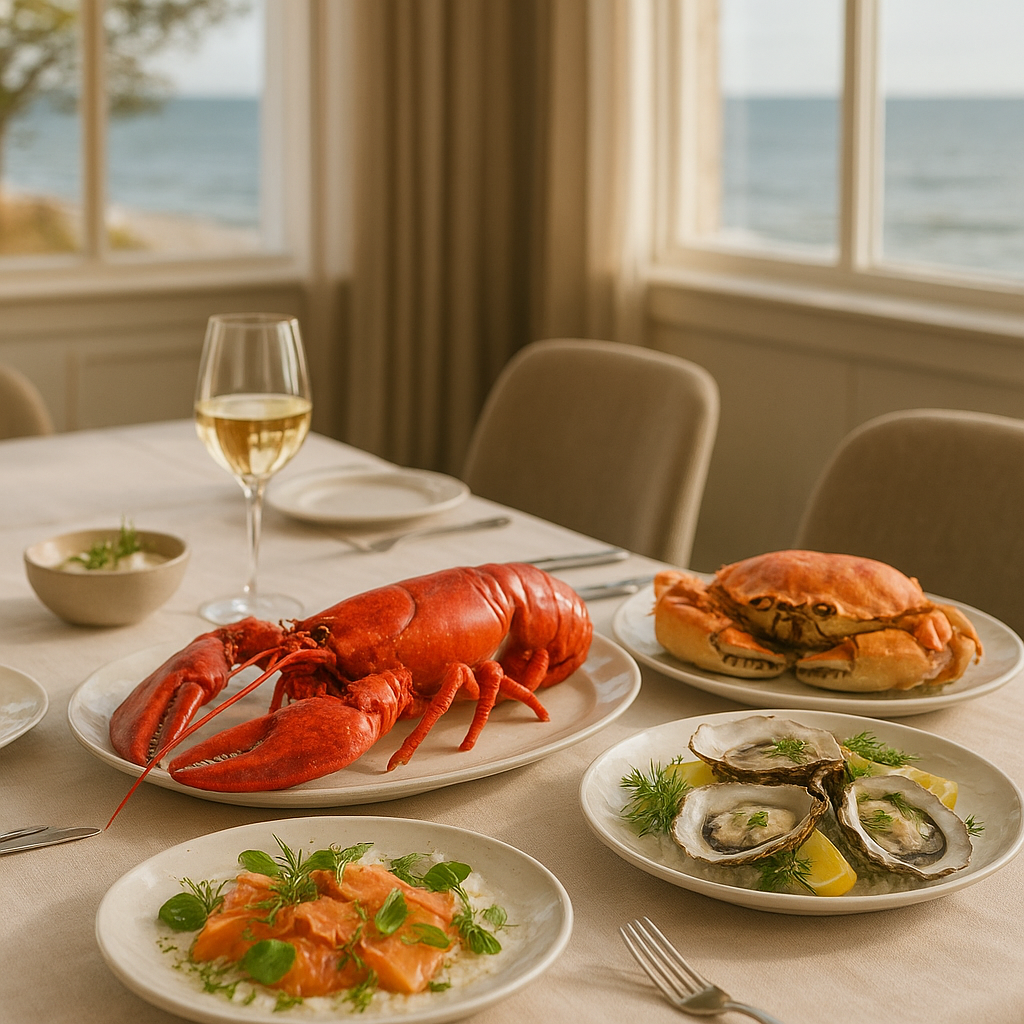
The celebrity-chef effect is real, but only because the chefs have matched the setting. A famous name does not rescue a dull menu. On the west coast, the best places succeed because the kitchen is close to the water, the fish is fresh, and the service is sharp without being smug. Frankly, that is rarer than people admit.
So the Hamptons of Sweden is not a single resort or club. It is a cluster of places where the wealthy can buy something harder to fake than exclusivity: calm with credibility. That is the kicker.
Core Benefits and Importance
The appeal of Sweden’s west coast is not complicated, but it is easy for luxury marketers to overcomplicate it. Strip away the fluff and you get a clear set of advantages that wealthy travelers value more than ever.
- Privacy without isolation. The area feels secluded, but not dead. You can be left alone without feeling stranded.
- Food with standards. The seafood is central, the kitchens are serious, and the best meals are built on local sourcing rather than imported theater.
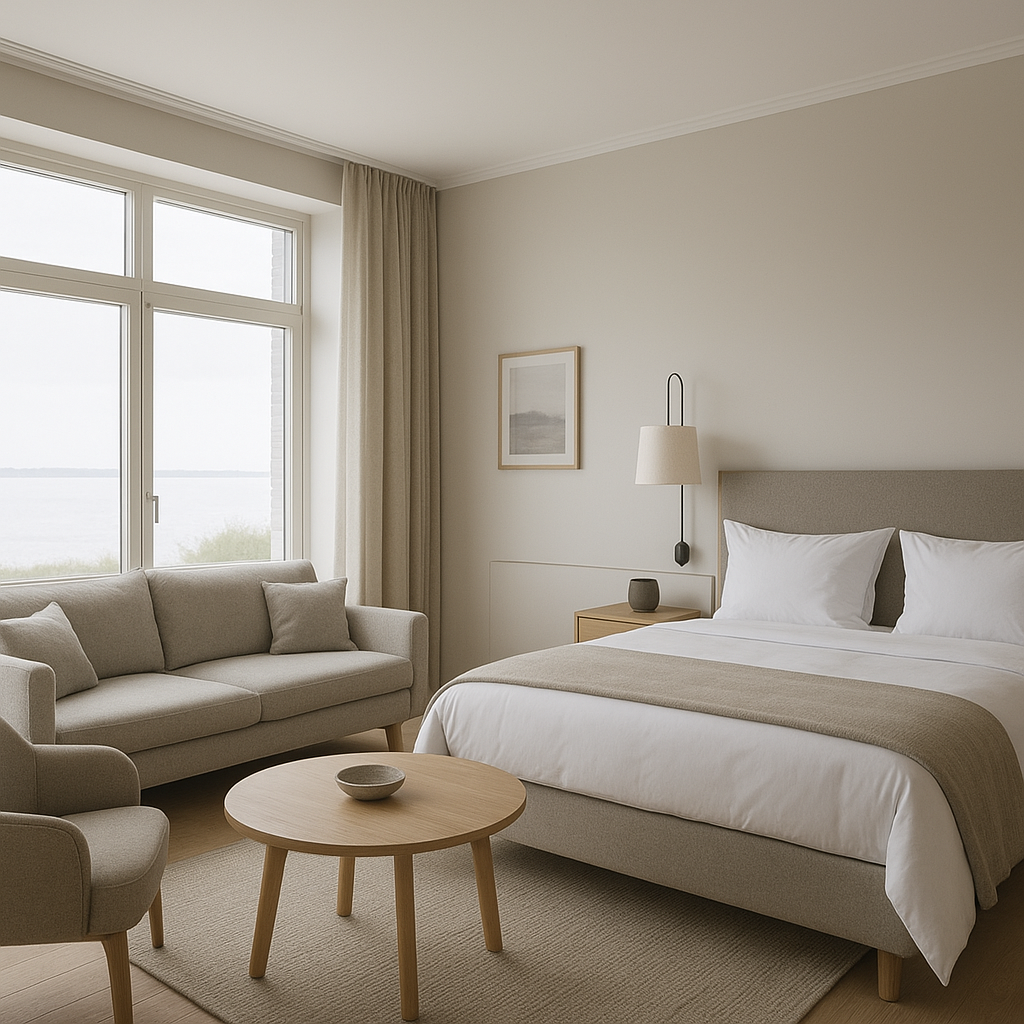
- Design that respects function. Scandinavian interiors usually favor light, wood, clean lines, and comfort that works in real life.
- Sailing and maritime culture. For travelers who keep boats or love being near them, the harbor towns have genuine depth, not just decorative moorings.
- Restoration over stimulation. The trip leaves people better rested because the place does not try to entertain them every minute.
Here is the thing: many luxury destinations confuse stimulation with value. They pile on events, branding, and social pressure, then call it premium. I do not buy it. The west coast of Sweden succeeds because it offers a more sensible version of wealth, one grounded in dignity, craftsmanship, and the stewardship of place. That is not only pleasant; it is morally healthier than the usual circus.
There is also a practical advantage. The region suits travelers who want quality without the absurd overhead of ultra-famous resort markets. You still pay for excellent rooms, good service, and a coveted location, but what you are really paying for is the atmosphere. And atmosphere, when done well, cannot be mass-produced.
When I examine luxury travel trends, I keep seeing the same pattern: affluent guests are growing tired of places that look rich but feel empty. They want destinations where the work behind the scenes is visible in the details. Good bread. Well-poured coffee. A boat transfer that runs on time. A room with proper blackout curtains. That is real hospitality. Everything else is marketing varnish.
Step-by-Step Guide to Choosing the Right West Coast Escape
If you want to visit the Hamptons of Sweden properly, do not wing it. That is how you end up in the wrong town, eating mediocre food, and wondering why everyone online seemed so thrilled. Use a simple selection process.
- Choose the right town for your mood. Marstrand is the classic choice for sailing and a touch of social sparkle. Smögen has a busier harbor feel and a lively summer rhythm. Fjällbacka is quieter and more scenic, with cliffs and a stronger sense of retreat.
- Book the inn before you chase restaurants. The right room shapes the trip. A well-run coastal inn gives you light, silence, and a place that actually feels restorative.
- Check whether the chef is truly present. A famous name on the sign means little if the food is inconsistent. I have seen too many places coast on reputation. The better test is whether the kitchen performs every night, not just on press trips.
- Prioritize water access. Harbor views, boat charters, and terraces facing the sea all change the rhythm of your stay. If you can’t see the water, you are missing the point.
- Look for honest materials. Wood, stone, linen, and wool usually signal a place that understands Scandinavian luxury. Overdesigned velvet palaces? Hard pass.
- Ask about sourcing. In a seafood region, freshness is not a perk. It is the whole show.
- Leave space in the schedule. Do not cram every hour. The best meals, walks, and conversations in places like this happen because you were not rushing.
The best advice I can give is simple: choose calm over clutter. Luxury is not a checklist of expensive objects. It is a sequence of well-made decisions that let you enjoy time, space, and good company. That sounds almost too plain, but plain truths are usually the useful ones.
Also, remember that weather is part of the experience. This coast is shaped by wind, light, and the cold bite of the water. That is not a flaw. It is the character of the place. Good travelers do not fight the setting; they adapt to it and, in doing so, appreciate the work of the people who built something beautiful within it. That respect for labor and craft is not just practical. It is the decent way to travel.
Comparison Table
| Feature | Sweden’s West Coast | The Hamptons, New York |
|---|
| Vibe | Understated, serene, design-led | Social, status-forward, busy |
| Luxury style | Quiet, craftsmanship-focused | Visible, brand-heavy, high-energy |
| Food scene | Seafood-driven, chef-led inns | Broad, scene-oriented, high-profile |
| Privacy | High | Medium |
| Natural beauty | Granite cliffs, islands, cold water | Beaches, dunes, estates |
| Best for | Travelers who value calm and taste | Travelers who value social cachet |
The table says it plainly. Sweden’s west coast is not trying to beat the Hamptons at being the Hamptons. It is offering a different proposition entirely: less noise, more substance. And that, frankly, is why wealthy travelers are paying attention.
Common Mistakes to Avoid
People make predictable mistakes with this destination, and most of them come from assuming that luxury equals excess. It does not. Not here.
- Thinking the point is to be seen. It is not. The appeal is privacy and calm.
- Booking for the name alone. A celebrated chef or branded inn means little if the execution is weak.
- Ignoring the weather. Wind, light, and temperature shape every good experience on the coast.
- Overplanning the stay. This is not a city packed with activities. Space is part of the value.
- Confusing polish with authenticity. A place can look expensive and still feel hollow. The best properties avoid that trap.
Let’s be real: many travelers want the feeling of being sophisticated without doing the basic homework. They arrive expecting the destination to perform for them, then blame the place when they have misread it. The west coast rewards people who pay attention. That includes noticing how the food tastes, how the staff moves, and whether the design serves the experience rather than the camera.
There is also a moral point, if one wants to be honest about luxury at all. When wealth is used well, it supports craftsmanship, local producers, and careful work. When it is used badly, it becomes vanity with a booking number. The difference is obvious. So pick the version that respects the people making the place worth visiting.
Frequently Asked Questions
Q1: What towns are considered the Hamptons of Sweden?
A1: Marstrand, Smögen, Fjällbacka, and nearby west coast island towns are the usual references.
Q2: Why is the area attracting wealthy travelers?
A2: It combines privacy, scenic coastlines, strong seafood, and a refined hospitality scene that values understatement.
Q3: Is this destination more relaxed than the Hamptons in New York?
A3: Yes. It is quieter, more design-conscious, and much less focused on social display.
Q4: What kind of traveler will enjoy it most?
A4: People who appreciate good food, sailing, coastal scenery, and luxury that does not shout.
The best luxury destinations do not merely impress the eye. They shape habits, slow the pulse, and make ordinary things—bread, water, light, conversation—feel worth noticing. That is rare. It is also why a place like Sweden’s west coast can seduce serious travelers without trying to seduce them at all.
When I think about enduring luxury, I do not think of spectacle first. I think of craftsmanship, order, and the quiet confidence that comes from knowing a place was made with care. This coast has that. The sea is there. The food is there. The rooms are there. More important, the whole experience respects scale, which is a fancy way of saying it knows when to stop. That restraint is the real luxury, and honestly, it is overdue.