Wealthy travelers are heading to Sweden’s west coast for the same reason they once chased the Hamptons: privacy, polished hospitality, and a tight cluster of...
Why Wealthy Travelers Are Flocking to the Hamptons of Sweden
Wealthy travelers are heading to Sweden’s west coast for the same reason they once chased the Hamptons: privacy, polished hospitality, and a tight cluster of places that feel rare without trying too hard. The difference is colder air, cleaner design, and a food scene where serious chefs are building inns, dining rooms, and experiences that reward attention.
Key Takeaways
- Sweden’s west coast offers discreet luxury rather than loud status signaling.
- Celebrity chefs and design-led inns are turning small towns into premium destinations.
- The appeal is a mix of craftsmanship, fresh seafood, scenic restraint, and privacy.
- Good luxury here is less about spectacle and more about exacting service, place, and taste.
What is the Hamptons of Sweden?
The phrase points to a string of coastal towns and island communities on Sweden’s west coast, where affluent visitors go for summer air, sailing, seafood, galleries, and low-key social prestige. It is not a carbon copy of Long Island’s East End, and that matters. The comparison works because both places offer escape for people who want refinement, beach access, and a social scene that feels selective without shouting about it.
The Swedish version is quieter, which is the whole point. Here, luxury shows up as weathered boathouses, whitewashed inns, precise interiors, and restaurants where the kitchen cares more about the catch than the applause. I’ve reviewed enough luxury markets to know most “exclusive” destinations are just overpriced and crowded. This one has something better: restraint. That is rarer than marble and a more honest sign of value.
You will see this in places such as Marstrand, Skärhamn, Fjällbacka, and the broader Bohuslän coast, where the granite shore, ferries, and harbor towns create a setting that feels composed rather than invented. Beauty matters here. Not the plastic kind sold in brochures, but the kind that suggests order, craft, and care—very much in line with the old Catholic instinct that beauty should serve truth, not ego.
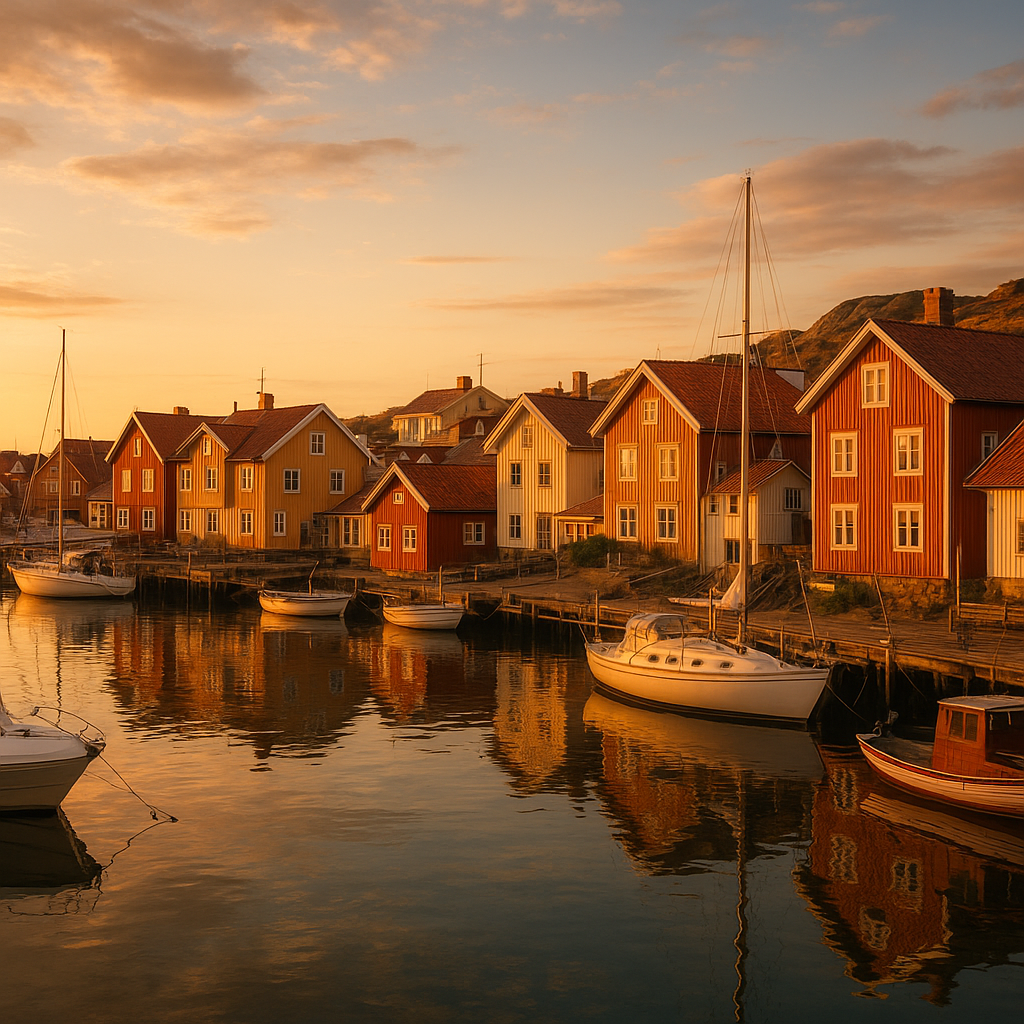
The recent surge has a practical cause, too. Talented chefs and hoteliers are opening places that are small by design, harder to book, and better run than most luxury properties that rely on brand names and linen napkins to distract from mediocrity. Frankly, that is refreshing.
Why now? Because wealthy travelers are tired of noise. They want spaces where service feels personal, where seafood tastes like the sea, and where the town itself still has a pulse beyond the hotel lobby. The Hamptons of Sweden gives them that, with fewer peacocks and better fish.
Core Benefits and Why It Matters
The draw is not one thing.
It is a stack.
And that stack is why this region works so well for high-end travel.
- Privacy without isolation: The west coast offers seclusion, but not the deadened emptiness of a remote resort. You can disappear for a while and still have good food, sailing, and a cultured crowd nearby.
- Chef-driven hospitality: Destination inns and restaurants are being led by serious names, not committee-approved “culinary concepts.” That difference matters. A chef with standards changes the whole place.
- Regional authenticity: The cuisine is rooted in shellfish, white fish, dairy, berries, and rye, not in generic “Nordic fusion” nonsense. The best luxury is local when local is excellent.
- Design discipline: Interiors tend to favor wood, stone, linen, and light rather than vulgar excess. There is a moral clarity in that, if you care to see it.
- Easy social signaling: Wealthy travelers like places their peers recognize but the masses do not. Let’s be real, status still exists, and it always will.
- Seasonal rhythm: Summer in Sweden’s west coast feels earned. The long days, boats, and late sunsets create a sense of occasion that winterboard resorts often fake.
When I examined why these destinations attract high-net-worth visitors, the answer was never merely “luxury.” It was competence. Hotels run cleanly. Kitchens source seriously. Staff know when to appear and when to vanish. That is not glamorous in the brochure sense, but it is what people remember.
Here is the kicker: luxury travelers increasingly punish fakery. They can spot copy-paste design and inflated pricing in seconds. A place like this offers something more durable: a coherent experience where beauty, function, and hospitality align. That is why it resonates.
There is also the stewardship angle, subtle but important. The best coastal inns and restaurants treat their surroundings as something to care for, not exploit. That is a better ethic than the usual “maximize the view, charge more for it” routine. In old terms, they are stewards of a place. That may sound quaint. It is actually good business.
Step-by-Step Guide to Choosing the Right West Coast Stay
Choosing badly is easy.
Choosing well takes discipline.
- Start with the town, not the hotel. Pick the setting first. Some travelers want Marstrand for sailing and social life; others want smaller fishing towns for quiet and access to nature. The town determines the tone.
- Check the chef before the chandelier. A luxury stay is often only as good as breakfast and dinner. Look for places with a serious kitchen, ideally one tied to the region’s seafood and produce. If the dining room is an afterthought, the property probably is too.
- Judge the scale. Small is often better here. A 12-room inn can feel more luxurious than a 120-room resort because the service is more exact and the public spaces are less noisy. I’ve seen grand hotels with all the charm of an airport lounge.
- Review the materials. Good coastal luxury uses honest materials: timber, stone, wool, linen, brass. Cheap gloss ages badly. Craft ages well.
- Study the access. Can you arrive by car, ferry, or private transfer without friction? Can you reach the marina, island, or restaurant easily? Luxury travel fails fast when logistics become a chore.
- Ask about the rhythm of the day. The best places give you a shape: slow coffee, boat time, lunch, a walk, a long dinner, and a room that feels calm when you return. That is not indulgence for its own sake. It is ordered rest.
- Look for local sourcing and labor. A good property will show respect for local fishermen, growers, and builders. The dignity of work should be visible. A place that treats staff well usually treats guests well.
- Ignore the marketing fog. Terms like “immersive” and “curated” often hide thin offerings. Read the menu, the room details, and the service promises. Not the ad copy.
For practical travel planning, it helps to compare options against broader advice on luxury rail and coastal access patterns from publications like Condé Nast Traveler and destination reporting from Travel + Leisure. They will not do the thinking for you, but they can confirm whether a place is genuinely worth the fare.
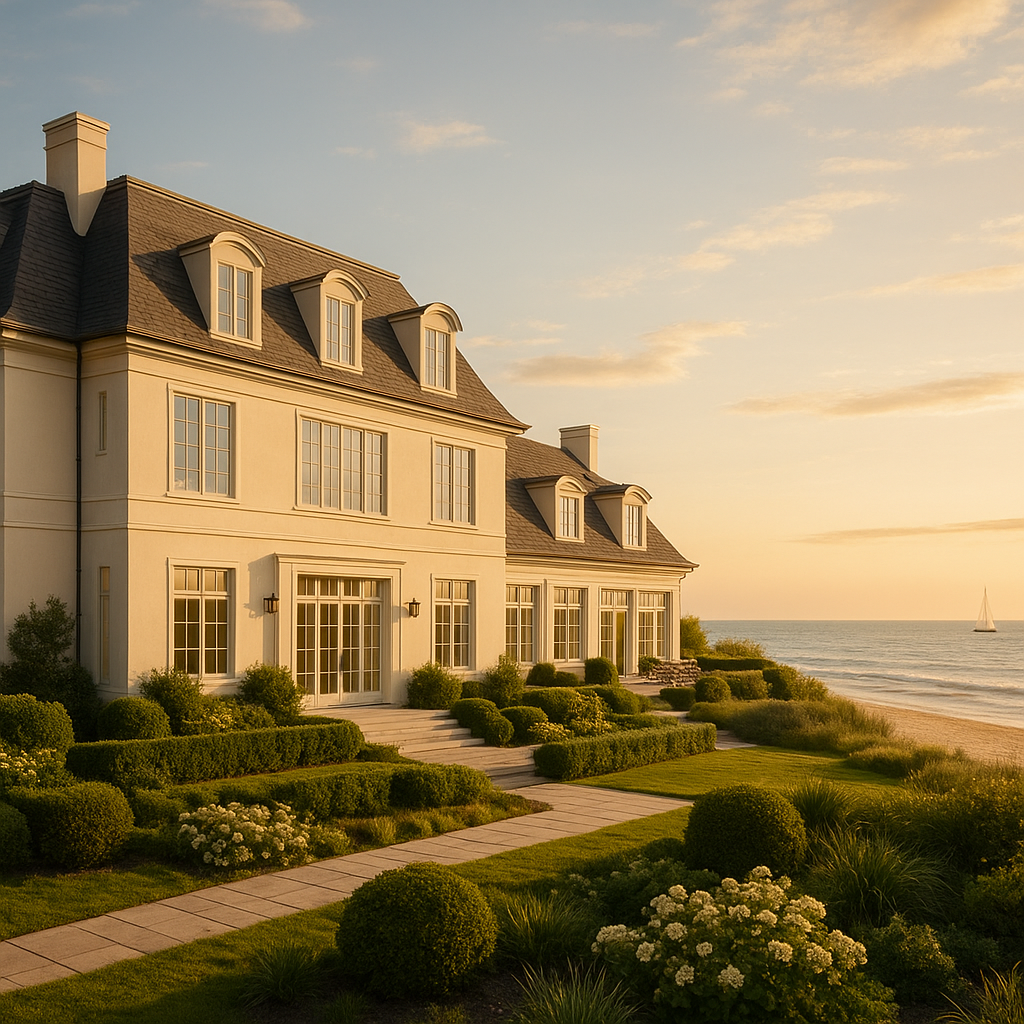
If you prefer a curated route, spend one night in a design-forward hotel, one night in a chef-led inn, and one day at sea. That gives you a clean read on the region. No spreadsheet can replace that.
Comparison Table
Here is the blunt comparison.
And yes, the old standard still matters.
| Factor | Hamptons of Sweden | Traditional Hamptons, New York |
|---|
| Atmosphere | Quiet, design-led, understated | Busier, more socially performative |
| Luxury signal | Craft, privacy, and food quality | Status, access, and real estate cachet |
| Dining | Chef-driven inns and seafood focus | Broad, expensive, often more variable |
| Crowd | Selective, international, low-drama | Heavy summer traffic, high visibility |
| Scenic character | Granite coast, islands, marinas | Beaches, dunes, suburban beach houses |
| Best for | Travelers who value restraint and authenticity | Travelers who want scene and prestige |
| Main weakness | Less famous, fewer mega-resorts | Crowded, expensive, and less intimate |
| Overall appeal | Sophisticated, calm, and tightly edited | Iconic, but louder and less serene |
The comparison is not about which place is “better” in some abstract sense. That kind of ranking is usually idiotic. It is about what kind of luxury you want. If you want the social machine, go east. If you want refined calm with better food and less theater, Sweden’s coast has the edge.
For readers interested in how design and hospitality shape premium travel, The World’s 50 Best and Tatler often provide useful signals about where elite tastes are headed, though you should always verify claims against actual rooms, menus, and service standards.
Common Mistakes to Avoid
The biggest mistake is assuming luxury means spending more.
It does not.
- Mistaking branding for quality: A famous name can hide weak food, indifferent service, and stale interiors. Luxury branding is often just expensive wallpaper.
- Booking for the photos: Social media can make a mediocre inn look holy. Trust details: bedding, soundproofing, bathroom fixtures, and the kitchen’s sourcing.
- Ignoring seasonality: The west coast has a distinct rhythm. Visit at the wrong time and you will miss what makes it special. Weather matters more than marketing admits.
- Treating dining as secondary: In this region, the meal is part of the destination. A place with a weak restaurant is leaving money—and experience—on the table.
- Overvaluing size: Bigger is not finer. A small place with excellent staff beats a sprawling property with a uniformed chaos problem.
- Assuming all “exclusive” places are calm: Some are simply expensive and crowded. That is not exclusivity. That is a queue with better wine.
I am skeptical of the common luxury advice that says to “follow the influencers.” Bad idea. Influencers chase novelty, not consistency. The better habit is to read the room—literally. Look at who stays, how the staff move, and whether the menu changes with the market rather than with a branding calendar.
The truth is, the most common error in high-end travel is moral as much as practical: people confuse luxury with excess. But the finest experiences often depend on restraint, proportion, and respect for place. That is why old-world standards still matter. Good work deserves to be seen, not smothered.
For more context on premium hospitality standards, the reporting from Condé Nast Traveler on hotel design and destination dining is useful, and so is broader travel coverage from The Financial Times Travel section, which tends to be less gushy and more useful.
Frequently Asked Questions
Why are wealthy travelers interested in Sweden’s west coast?
Because it offers privacy, polished hospitality, and strong food culture without the noise of more obvious luxury destinations. The setting feels rare, and rarity still sells.
What makes the Hamptons of Sweden different from other luxury beaches?
It is more restrained, more design-conscious, and more rooted in regional food and maritime life. Less show, more substance.
Is the area only for summer travel?
Summer is the main season, but shoulder periods can still appeal to travelers who want quieter towns and cooler weather. Just do not expect the full sailing-and-social rhythm outside peak months.
Is this destination good for food lovers?
Yes. In fact, food is one of the main reasons it is gaining attention. Chef-led inns and seafood-focused restaurants are central to the appeal.
Final Thought
The Hamptons of Sweden work because they resist cheap spectacle.
That matters more than people admit, especially now, when luxury often looks loud, lazy, and overpromoted. Here, the best rooms, meals, and views feel earned, not manufactured. The coast asks for attention and gives back calm, beauty, and a sense that someone cared enough to do things properly.
That is the real attraction. Not fame. Not hype. Not a staged sense of exclusivity.
If you value craftsmanship, restraint, and the quiet dignity of a place that still knows how to serve well, this corner of Sweden offers something genuinely rare. And rare, when it is done right, is worth the trip.