Luxury cruise lines are not just floating hotels. They are carefully engineered hospitality systems, where suite design, food, service ratios, itineraries, and...
Luxury cruise lines are not just floating hotels. They are carefully engineered hospitality systems, where suite design, food, service ratios, itineraries, and ship size decide whether you feel indulged or merely processed. Most brochures shout about “ultimate experiences,” but the real difference is narrower and more practical: space, polish, and whether the crew remembers your name without performing like extras in a perfume ad.
Key Takeaways- The best luxury cruise lines prioritize service, space, and genuinely good food.
- Big ships can be elegant, but smaller ships usually deliver better access and calmer pacing.
- “All-inclusive” only matters if the inclusions are actually useful, not decorative nonsense.
- For 2026, the strongest luxury lines balance privacy, shore access, and culinary credibility.
- Beauty matters, yes, but good stewardship of time and resources matters more.
What is a luxury cruise line?
A luxury cruise line is a cruise operator built around premium service, refined accommodation, and a higher staff-to-guest ratio than mass-market shipping. It is supposed to offer larger suites, stronger dining, quieter public areas, and shore programs that go beyond gift-shop tourism. That sounds simple. It is not.
I have reviewed enough premium travel products to know that “luxury” gets abused everywhere, especially at sea. Some cruise lines use the word as a coat of paint over ordinary hardware. Others earn it with real craftsmanship, disciplined service, and a tone that respects the guest’s dignity instead of treating them like a wallet with legs. Frankly, that distinction matters.
A true luxury line usually has a few common traits. Smaller guest counts. Better service ratios. Fine dining that does not rely on theatrics. Spacious suites with proper storage, not closet-like cabins with a velvet pillow. Thoughtful itineraries. And usually, a calmer onboard rhythm that lets you hear yourself think.
The best lines understand something older than marketing. Human beings respond to order, proportion, and care. Beauty is not a gimmick. It points beyond itself, and when a ship is designed well, with fine materials and careful labor, you feel that in the bones of the place. A good vessel reflects the dignity of work. That is not poetry for its own sake. It is the actual reason some ships feel elevated while others feel loud.
Here is the kicker: luxury cruising is not for everyone. If you want constant spectacle, enormous waterparks, and five restaurants with identical menus, the mass-market sector will happily sell you noise. But if you want silence, competence, and meals worth remembering, the luxury end of the market is where the serious money goes.
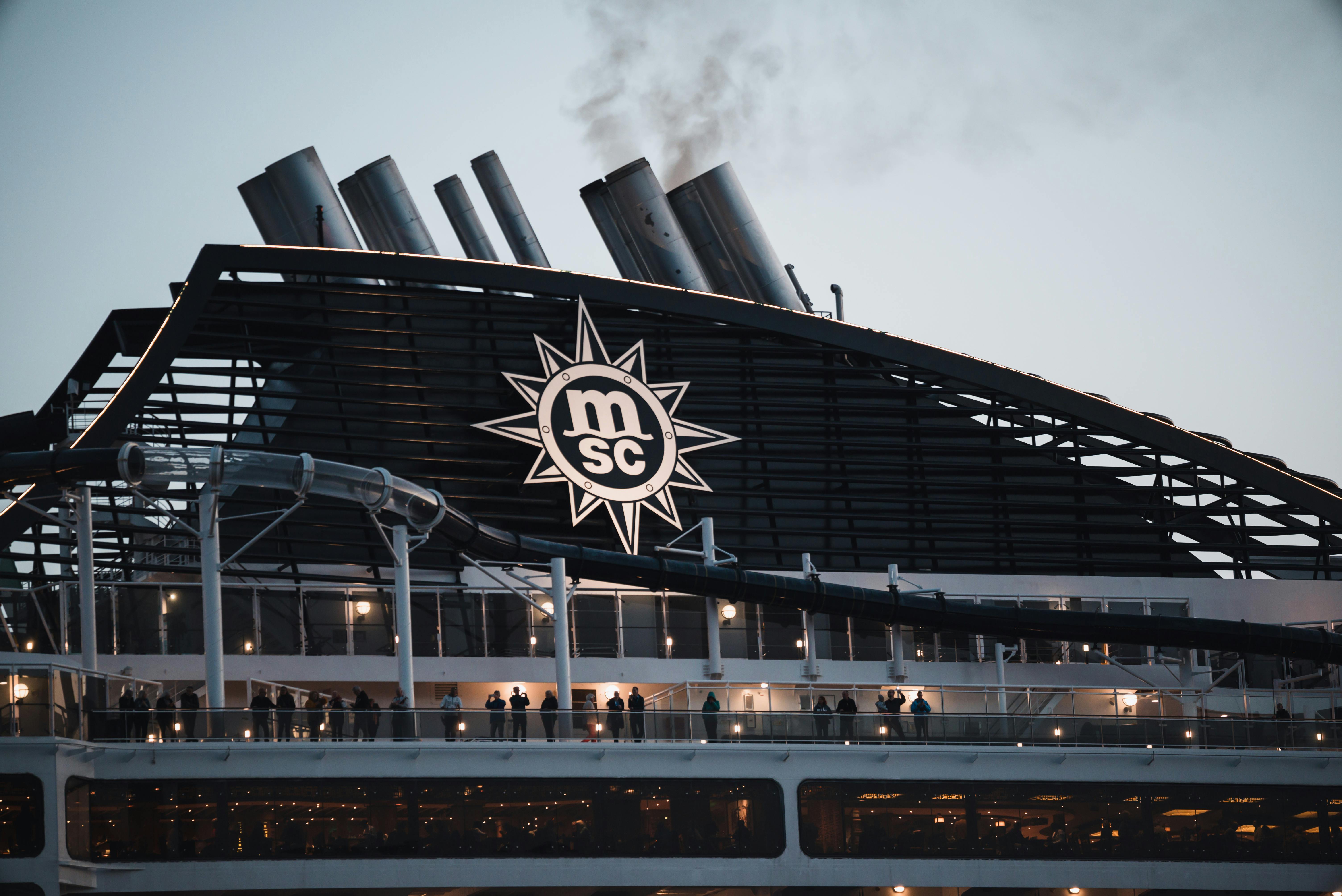
Core benefits of choosing a luxury cruise line
- Better service. Fewer guests per crew member means less waiting and fewer awkward interactions.
- Better food. Stronger lines hire chefs who understand seasoning, timing, and restraint.
- Better cabins. Suites tend to be more livable, not just larger on paper.
- Better itineraries. Luxury ships often reach smaller ports and stay longer.
- Better pacing. You can actually relax instead of sprinting from trivia night to buffet chaos.
- Better privacy. Quiet decks, smaller lounges, and fewer crowds matter more than people admit.
- Better shore experiences. Strong excursion curation beats generic bus loops every time.
The contrarian point? More expensive is not always better. Some luxury brands charge heavily for brand aura while offering only marginal improvements over premium competitors. I have seen travelers buy status and call it sophistication. That is usually self-congratulation in nautical form.
Still, when luxury cruising is done properly, the value is real. You are paying for time saved, stress avoided, and friction removed. That is not fluff. It is the whole point.
For a broader look at travel standards and destination quality, see Condé Nast Traveler, which remains useful when comparing premium experiences without swallowing the hype whole. For route planning and destination context, Travel + Leisure is still worth a look. And for industry-level cruise coverage, Cruise Critic provides practical ship and itinerary detail.
How to choose the right luxury cruise line
- Start with ship size. Smaller ships tend to offer more intimate service and better access to ports. Large ships can be polished, but they often dilute the very exclusivity buyers are seeking. I usually favor ships that keep the guest count modest, because scale creates noise. Noise kills refinement.
- Check what “inclusive” actually means. Some lines include drinks, gratuities, specialty dining, and excursions. Others bundle only enough to make the brochure sound generous. Read the fine print. Always. The fine print is where the truth hides.
- Compare suite categories. Not all “suites” deserve the name. I look for real living space, actual balconies, and proper bathroom materials. If a suite feels like an upgraded hotel room from a tired airport chain, move on.
- Examine the dining program. Good luxury lines invest in culinary leadership. Look for variety, strong wine lists, and restaurants that treat fish properly. Overcooked sea bass is not luxury. It is a crime with garnish.
- Study the itinerary. Luxury is wasted if the route is lazy. Seek destinations with meaningful overnight stays, scenic sailing, or access to smaller harbors. Ports should enrich the trip, not just fill the schedule.
- Assess service style. Some lines are formal. Some are relaxed. Neither is automatically better. The question is whether the tone feels trained and sincere, not performative. Service should be attentive without hovering.
- Review the wellness and enrichment options. Spa offerings, lectures, art programs, and fitness facilities should feel coherent. Empty programming is common. Real enrichment is rarer.
- Book with discipline. The best cabins, suites, and itineraries sell early. Luxury travel rewards planning, not impulsive clicking at midnight.
I have found that the best luxury cruise decisions are made on paper before a single suitcase is packed. Research the exact ship, not just the brand. Study deck plans. Read recent reviews. Compare inclusions. Ask whether the line actually fits your pace. A traveler who wants quiet should not book a ship marketed to nightlife seekers and then complain about saxophones at midnight. That is not a mystery. That is poor judgment.
Comparison table: luxury cruise lines vs premium large-ship cruises
| Factor | Luxury Cruise Lines | Premium Large-Ship Cruises |
|---|
| Guest count | Lower, more intimate | Higher, busier |
| Service ratio | Typically stronger | Good, but less personal |
| Dining | Higher culinary ambition | More varied, less consistent |
| Itineraries | More niche ports and overnights | More mainstream routes |
| Inclusivity | Often more included | More add-on pricing |
| Cabin quality | Usually more spacious | Can be excellent, but less uniform |
| Atmosphere | Quiet, polished, restrained | Livelier, more family-oriented |
| Best for | Travelers wanting calm and craft | Travelers wanting choice and scale |
The comparison looks obvious, but people still get it wrong. They assume luxury always means better value, when in reality the right choice depends on your temperament, your tolerance for crowds, and how much you care about the difference between good service and merely adequate service. A busy traveler with teenagers may prefer a larger premium ship. A couple celebrating an anniversary may want the composed stillness of a smaller vessel.
If you want more perspective on elevated hotel and resort standards, the reporting at Forbes Travel Guide is useful. For a sense of what top-end hospitality actually costs in practice, Luxury Travel Magazine covers high-end trips with enough detail to be helpful. And if you want a mainstream but still reliable comparison point, Condé Nast Traveler’s cruise coverage can sharpen your shortlist.
Common mistakes to avoid
- Believing every “all-inclusive” claim. A lot of marketing is smoke in a tuxedo. Check what is actually included.
- Choosing by brand reputation alone. Old fame is not the same thing as current quality.
- Ignoring cabin placement. A bad deck location can wreck sleep.
- Overvaluing onboard entertainment. You are paying for the ship, yes, but also for peace.
- Assuming formal equals refined. Sometimes it just means stiff staff and bad tailoring.
- Booking itineraries with too many sea days if you get restless. Luxury is great. Boredom is still boredom.
Here is the part most people skip: the smartest luxury traveler is not the one who spends the most. It is the one who avoids pointless extras, meaningless status buys, and itineraries chosen for bragging rights. The world is full of people paying more to feel less. That is a foolish habit, and cruise marketing feeds it with sugary nonsense.
Also, do not ignore timing. Peak season often means higher prices and fuller ships, even in the luxury category. Shoulder periods can deliver better service and calmer ports. That is not a secret. It is just common sense, which somehow becomes rare the moment people see a glossy brochure.
Frequently Asked Questions
Q1: What is the best luxury cruise line in the world?
A: That depends on your priorities. Some lines excel in service, others in dining, and others in expedition access.
Q2: Are luxury cruises worth it?
A: Yes, if you value space, service, and quieter travel. No, if you only care about square footage and drink packages.
Q3: Which luxury cruise line has the best food?
A: Several compete closely, but the strongest lines invest in culinary partnerships and disciplined execution.
Q4: Are luxury cruises all-inclusive?
A: Often partly, but not always fully. You need to read the inclusions carefully.
Final thought
The best luxury cruise line is the one that makes the world feel ordered again. Not loud. Not staged. Ordered. When a ship gets the basics right—space, service, restraint, and meals that taste like someone cared—you are not buying excess. You are buying a more civilized way to travel, which is rarer than the brochures would have you believe.